

10 Simple Cooking Class Ideas to Try at Home
Cooking together doesn't need to be complicated. Ten ideas by age, from finger food to character bento.
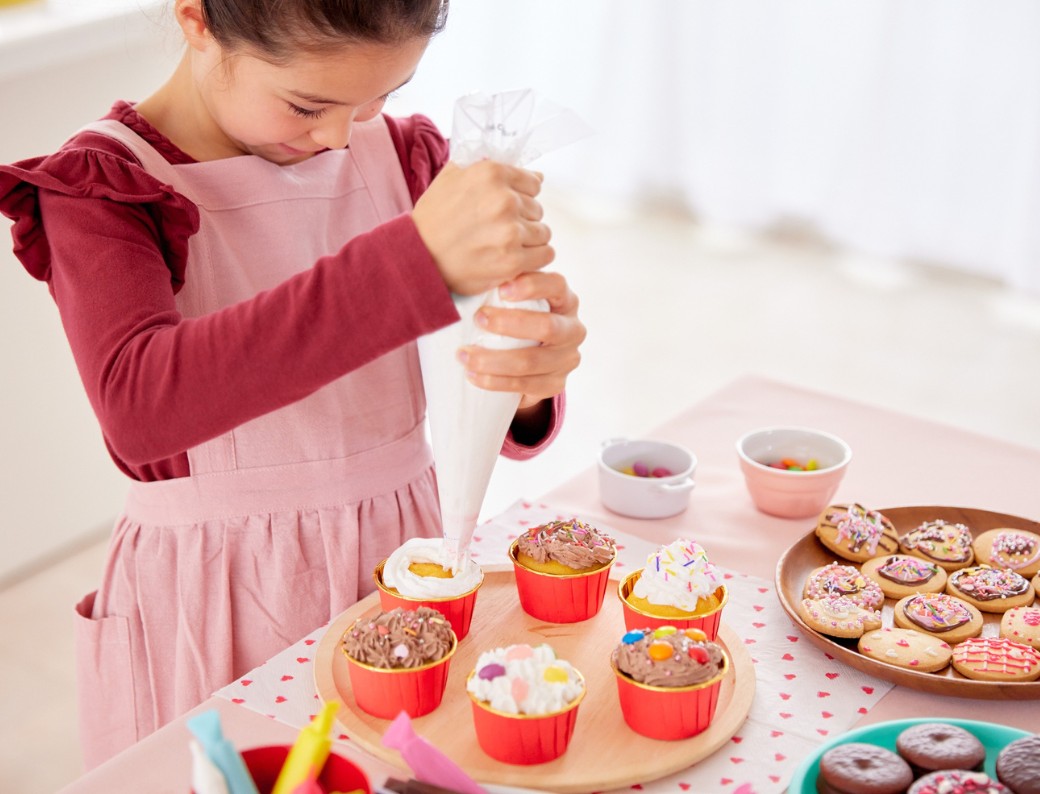
Once you know what cooking does for a child and how to set up a session at home, the next thing is choosing what to make. A cooking class at home doesn't have to be complicated or need ingredients that are hard to find. The simpler and more enjoyable it is, the more likely a child is to enjoy it and learn something.
This article covers ten cooking ideas to try with your child, from toddler age through to 10 and over. All of them are easy to make, use safe ingredients, and leave plenty for a child to do themselves.
Ten Recipes to Cook With Your Child
1. Fruit Finger Food for Toddlers (Ages 2 to 4)
For a toddler, something they can eat with their hands is the best choice. Fresh fruit works well as the main ingredient, since it's safe, nutritious and needs almost no cooking.
How to make it
- Choose a few types of fruit, such as banana, strawberry, grapes (halved for safety) and melon.
- Cut the fruit small, or press it into shapes with a biscuit cutter.
- Get your child arranging the fruit on a plate or threading it onto small skewers.
- Serve with yoghurt to dip it in.
What it does: builds fine motor control, introduces the texture and taste of fruit, and gives a child room to be creative.
2. Happy Face Sandwiches (Ages 3 to 5)
Children like playing with their food. This one lets your child build something out of whatever is in the cupboard.
How to make it
- Use sliced bread as the base.
- Spread it with peanut butter, chocolate or cream cheese.
- Add toppings, banana for eyes, strawberry for a nose, apple slices for a mouth.
- Let your child work out their own shapes and colours.
What it does: builds creativity, works hand-eye coordination, and introduces a range of healthy food.
3. Mini Character Pancakes (Ages 4 to 6)
Small pancakes shaped like a favourite character get most children straight into the kitchen.
How to make it
- Make a simple pancake batter from flour, egg, milk and a little baking powder.
- Use a squeeze bottle or a spoon to shape hearts, stars or animals in the pan.
- Let your child decorate with fruit, honey or maple syrup.
What it does: teaches patience, introduces food texture, and gets a child more interested in food they've made themselves.
4. Mini Tortilla Pizzas (Ages 5 to 7)
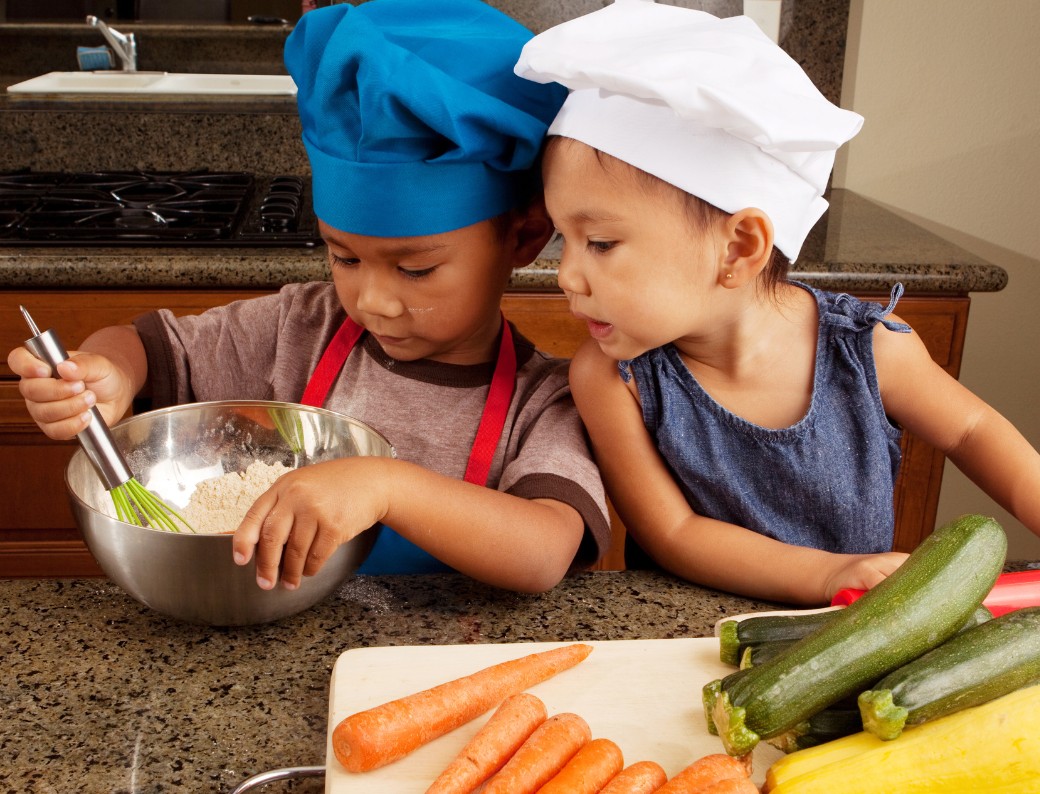
Pizza is a reliable favourite, and this version is easy enough for a child to make themselves.
How to make it
- Use a tortilla as the base.
- Spread on tomato sauce, scatter mozzarella, and add toppings like sausage, mushroom or pepper.
- Bake briefly in the oven or a pan until the cheese melts.
What it does: encourages a child to try new vegetables, teaches them to put a dish together, and builds their confidence in the kitchen.
5. Simple Sushi Rolls (Ages 6 to 8)
Sushi doesn't have to be complicated. This version lets a child make a simple roll with ingredients you already have.
How to make it
- Season cooked rice with a little vinegar and roll it in nori.
- Add a filling like omelette, sausage or cucumber.
- Roll it using cling film or a sushi mat.
- Slice it and serve with sweet soy sauce.
What it does: teaches precision, works hand coordination, and introduces food from another culture.
6. Fresh Fruit Lollies (Ages 6 to 8)
In hot weather something cold is exactly right. Fruit lollies are a refreshing and genuinely enjoyable thing to make together.
How to make it
- Choose a favourite fruit like mango, watermelon or kiwi, then blend it smooth.
- Add a little honey or yoghurt for a creamier texture.
- Pour into lolly moulds and add the sticks.
- Freeze for four to five hours, then serve.
What it does: teaches a child about liquid turning solid, builds the patience to wait for it, and shows why fresh fruit matters.
7. No-Bake Chocolate Balls (Ages 7 to 9)
This one is about as easy as it gets, since there's no oven involved. Simple to make and reliably popular.
How to make it
- Crush plain biscuits to a fine crumb.
- Mix with condensed milk and cocoa powder.
- Stir until even, then roll into small balls.
- Roll them in sprinkles, desiccated coconut or chopped nuts.
- Chill for 30 minutes before serving.
What it does: builds mixing and shaping skills, and gives a child room to be creative in how they finish them.
8. Colourful Rolled Omelette (Ages 8 to 10)
By seven or so a child's motor control is considerably stronger. This one is worth trying because it's something they can eat any day of the week. An omelette makes a good breakfast when it comes in several colours from the vegetables in it.
How to make it
- Beat the eggs, add salt, and divide between a few bowls.
- Add pureed vegetables, carrot for orange, spinach for green, beetroot for red.
- Cook thinly in a pan, then roll slowly.
- Slice and serve.
What it does: introduces a range of vegetables, teaches precision in the rolling, and makes healthy food more appealing.
9. Mini Doughnuts, Decorated However They Like (Ages 9 to 12)
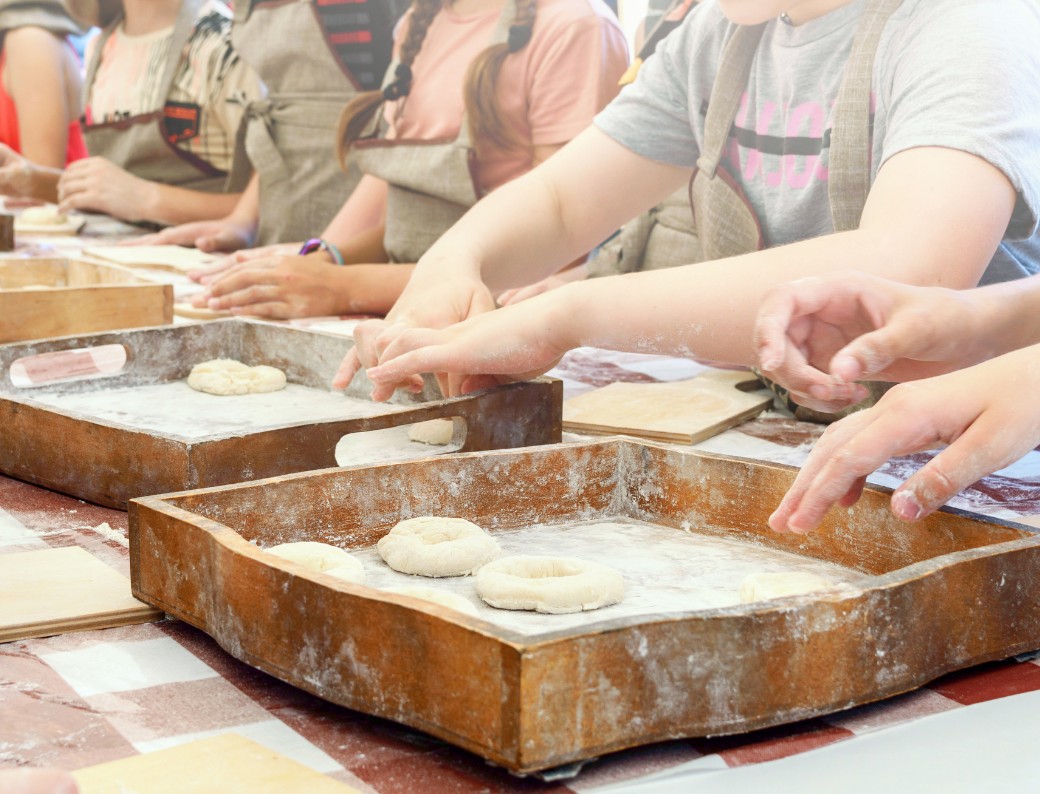
An older child can take on making doughnuts at home. It's an enjoyable thing to do, particularly the decorating.
How to make it
- Use ready-made doughnut dough, or make your own from flour, yeast, sugar and milk.
- Fry until cooked through and leave to cool.
- Let your child decorate with chocolate glaze, sprinkles, nuts or small marshmallows.
What it does: builds creativity in decorating, teaches patience while they cook, and introduces the idea of fermentation.
10. Character Bento (Ages 10 and Over)
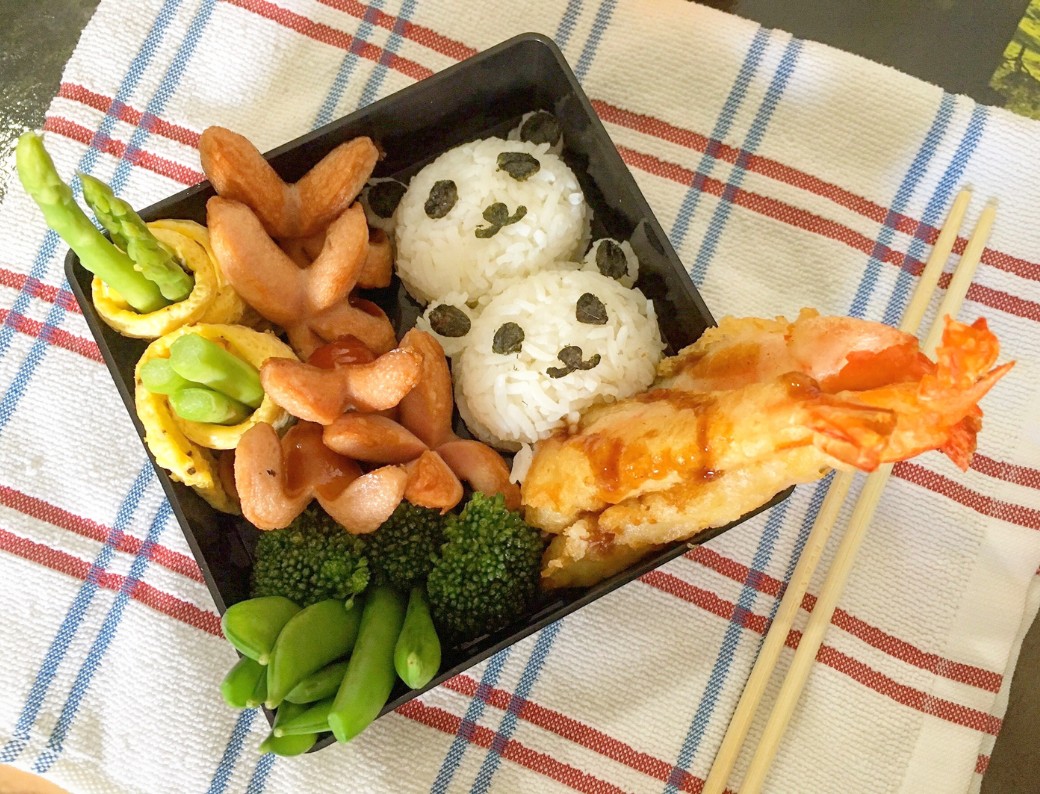
A Japanese bento is usually a packed lunch for school. Making a character bento together tends to get a child far more interested in eating what they've made themselves.
How to make it
- Use rice as the base and press it into an animal or a face with a mould.
- Add simple sides like nuggets, rolled omelette and cut vegetables.
- Use nori and cheese for the eyes, nose and mouth.
What it does: builds artistic skill and creativity, introduces the idea of a balanced meal, and makes healthy food more interesting. It also gets a child looking forward to their own lunchbox.
How to Keep It Enjoyable
1. Match the Recipe to Their Age
Every age can handle something different in the kitchen. A small child suits simple jobs like mixing or arranging, while an older one can start handling ingredients with supervision. So it's worth choosing an idea that fits the age.
2. Make It an Adventure
Tell a story behind whatever you're making, along the lines of making a sandwich from a fairy tale. That kind of framing gets a child considerably more enthusiastic.
3. Let Them Be Creative
Rather than demanding a perfect result, let a child experiment with shape and colour. That leaves them more confident and genuinely proud of what they've made.
4. Use Safe Equipment
Choose utensils suited to their age, like a plastic knife, a large mixing spoon and a bowl that won't tip over. It removes most of the risk without removing the fun.
5. Accept the Mess
Cooking with a child is going to be messy, and that's part of it. Put an apron on them, keep a cloth handy, and enjoy it without worrying about the clearing up.
Enjoyable and Genuinely Educational
A cooking class at home is entertaining and educational at once. Choose a recipe that suits their age, use ingredients you can actually find, and keep it enjoyable, and it becomes something your child remembers. For more activity ideas, the Happy Kamper app lists classes and activities running near you.