

Activities & Play
Play and activity ideas for children in Indonesia, sorted by age, energy level and how much space you have. Indoor, outdoor and rainy-day options that need very little setup.
What you'll find here
- Age-appropriate activities for toddlers through primary-age children
- How to pick the first swimming, coding, arts, or sports class
- How to avoid over-scheduling and child burnout
- Pricing guide for extracurricular programs across Indonesia
Picking a first class matters more than picking the right class
Parents agonize over whether swimming, coding, art, or music is the "right" first enrichment class. In our data, it matters far less than two other variables: whether the class time fits your family rhythm (Saturday 9 AM after a calm breakfast is a completely different experience from Thursday 6 PM after traffic) and whether the instructor genuinely likes teaching children of that age. Pick the schedule first, the instructor second, the skill third. A child who associates "that class" with a rushed arrival and a tired parent will reject even the most well-designed curriculum. This hub is built around that finding, the articles ask you to think about your week before they ask you to think about the subject.
The Indonesian kids-activities landscape in 2026
In the last three years, kids-activities market in Indonesia has professionalized dramatically. Swim schools now certify instructors to international standards. Coding programs now offer real computer-science pathways rather than dressed-up typing classes. Arts and music studios publish honest assessments rather than universal-gold-star recitals. The articles in this hub reflect that maturation, they tell you what a quality program looks like in 2026, what reasonable prices are across neighborhoods, and how to book a class without locking in a full term before you have seen a single lesson.
All articles in Activities & Play

Five Online Classes for Kids at Home, and What to Check Before You Pay
Language conversation, music, drawing, coding and storytelling are the five class formats that hold up over video for a child at home. Choose the session length by age before you choose the subject, keep the screen in a room the family shares, and ask for a single trial session before you pay for a term.

Indoor Activities for Kids During Pollution: Which Room Counts, and How Hard They Play
Indoors helps, but only as two decisions rather than one: a room whose doors and windows can stay shut, and an activity quiet enough that the child is not breathing hard in it. Indonesia's own air-quality action table pairs them at its worst band, telling sensitive groups to stay inside and do only a little.

What Playing Outdoors Actually Does for a Child
Outdoors gives a child four things a room cannot: space to run flat out, ground that changes underfoot, other children they did not pick, and daylight far brighter than indoor light. WHO asks 180 minutes a day under five and an average of 60 from five upward, spread across the day.

Filling a School Holiday Without Filling Every Day
A school holiday does not need a booking for every day. Anchor two or three days a week and leave the rest open. IDAI puts the harder physical activity at three times a week, and a child left to play actively has probably already met what their body needs. The deadline is the school wake time at the end.

Father and Child Weekend Activities When You Miss the Weekday Routine
The weekend does more when it carries something out of the week your child is already in. Go to the class rather than only the recital, learn the one thing they are working on right now, and repeat a small ordinary Saturday until they can predict it. A big day out is easier and does less.

Keeping Children Busy Over the Ramadan Break Without Wearing Them Out
Put the active thing in the morning and keep the afternoon quiet. IDAI advises light physical activity only while a child is fasting, and BMKG asks everyone to stay in the shade from mid-morning to late afternoon. Indoors or shaded, early in the day, is the window that works.
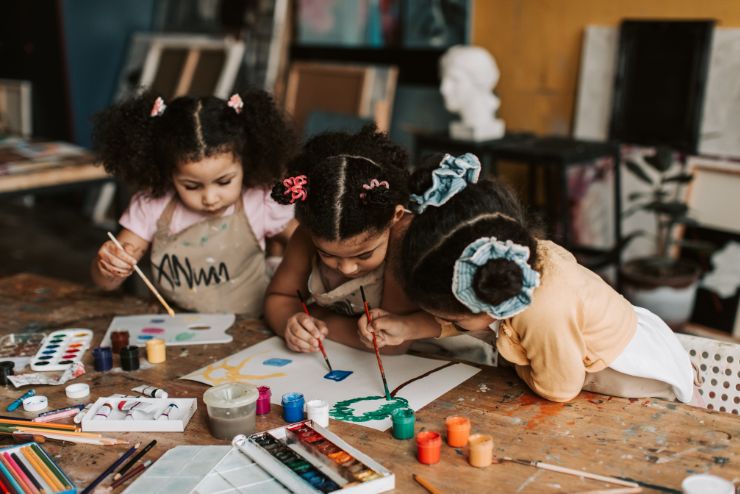
The Best Art and Craft Activities for Children
What art and craft actually develops in a child, plus ten Jakarta studios running creative sessions.

Ramadan Activities for Children That Are Enjoyable and Educational
Activities that suit a child during the fasting month, and venues worth booking around it.

Ten Ideas for a Family Holiday at the End of the Year
Ten ideas for a family break, from interactive museums to art classes and nature parks.
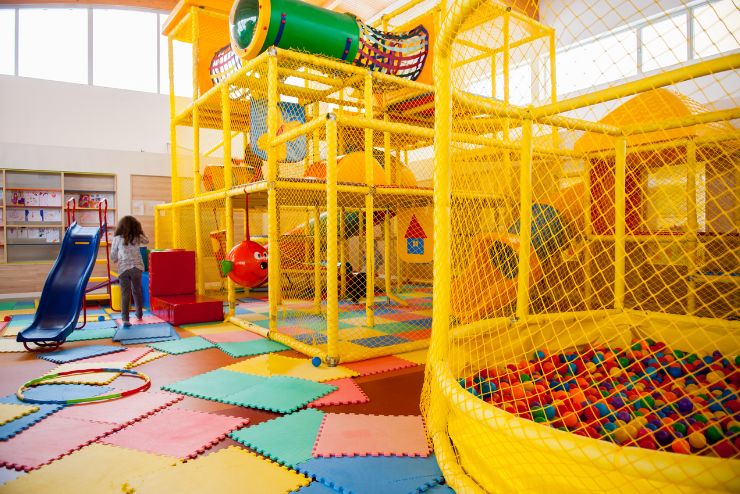
Eight Playgrounds, Indoor and Outdoor
What to check before choosing a playground, and eight indoor and outdoor options worth a visit.
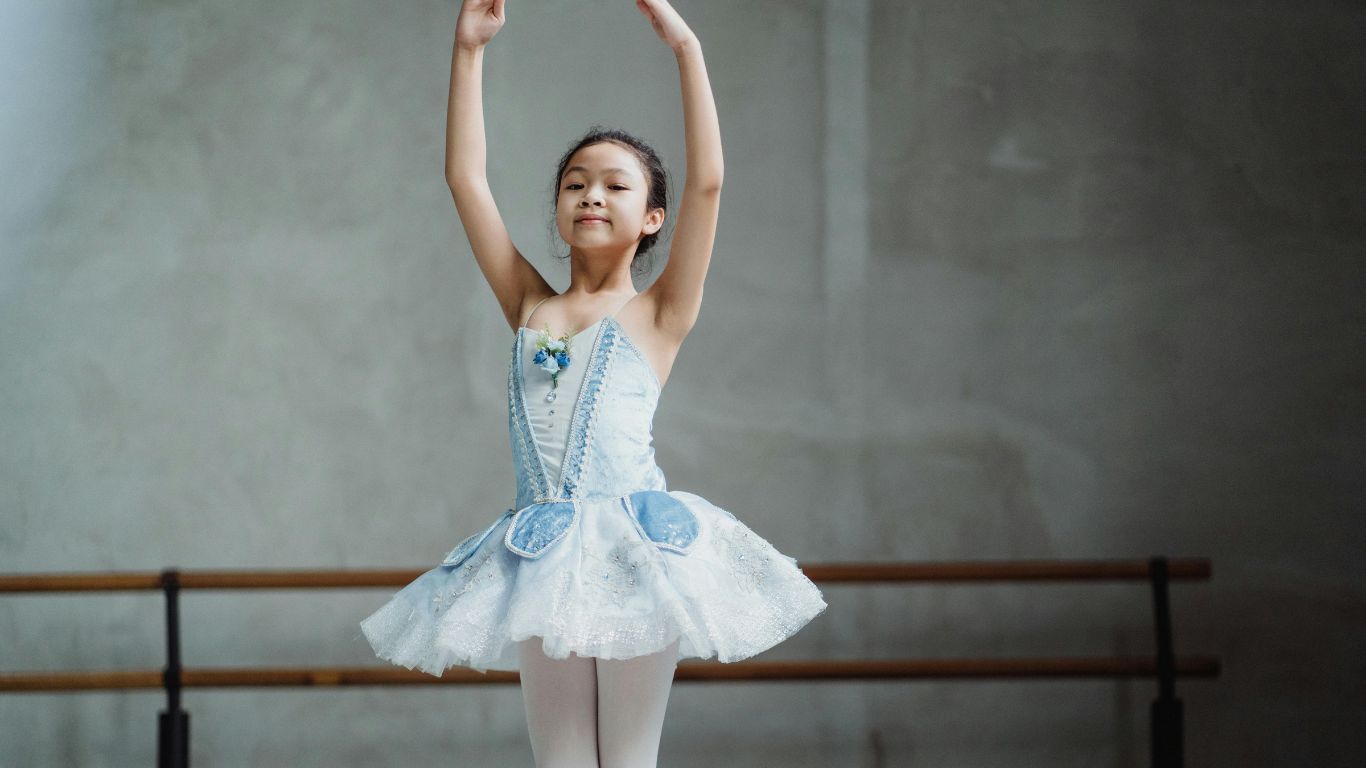
Ten Ballet Schools for Children
Balance, posture, discipline and expression. What ballet builds, and ten schools worth considering.
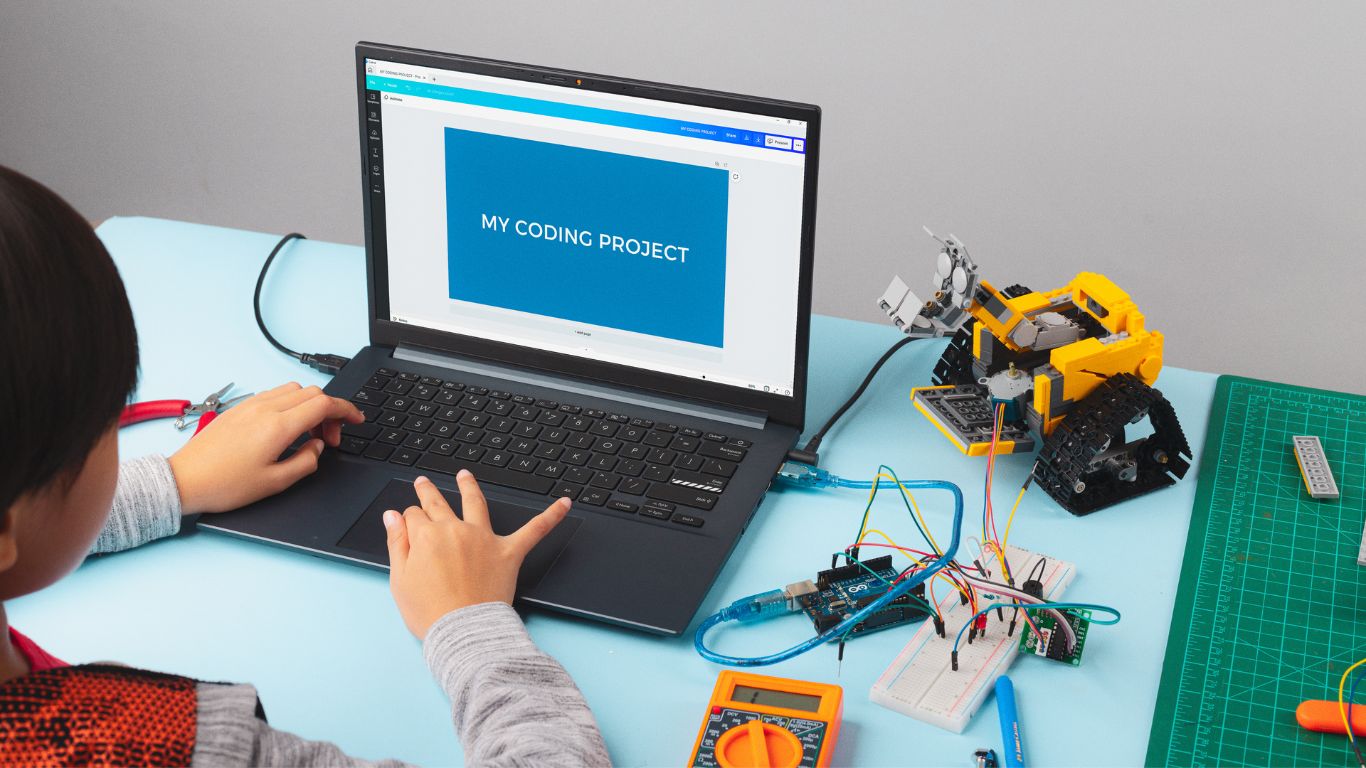
What a Coding Class for Children Costs
Four things that drive what a coding class costs, and eleven providers worth comparing.
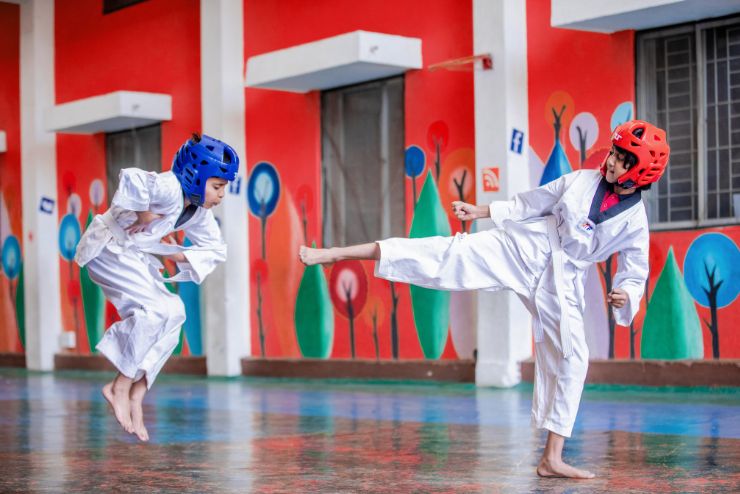
Choosing a Sport for Your Child
Sport teaches a child to lose as well as to win. What it builds, and where to find a class.
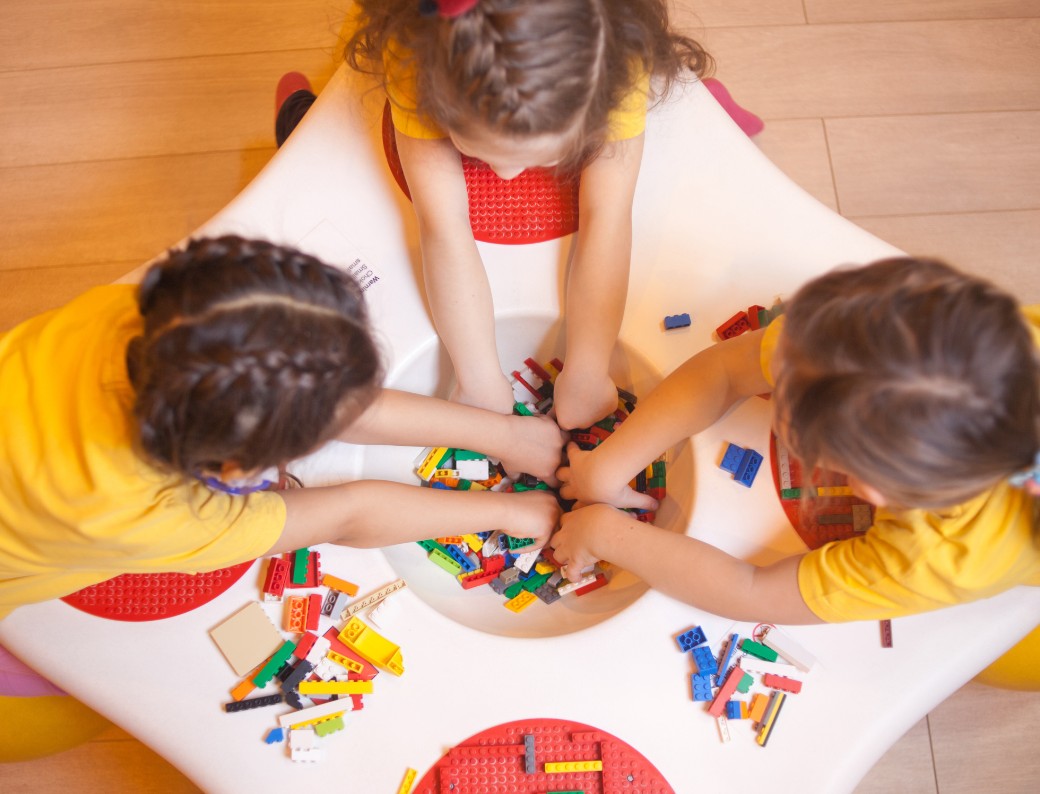
Educational Games Worth Trying, by Age
Educational games matched to age, from toddler puzzles through to coding games and science kits.

What Reading and Writing Early Does for a Child
The first five years develop faster than any period after. What reading and writing early actually build.
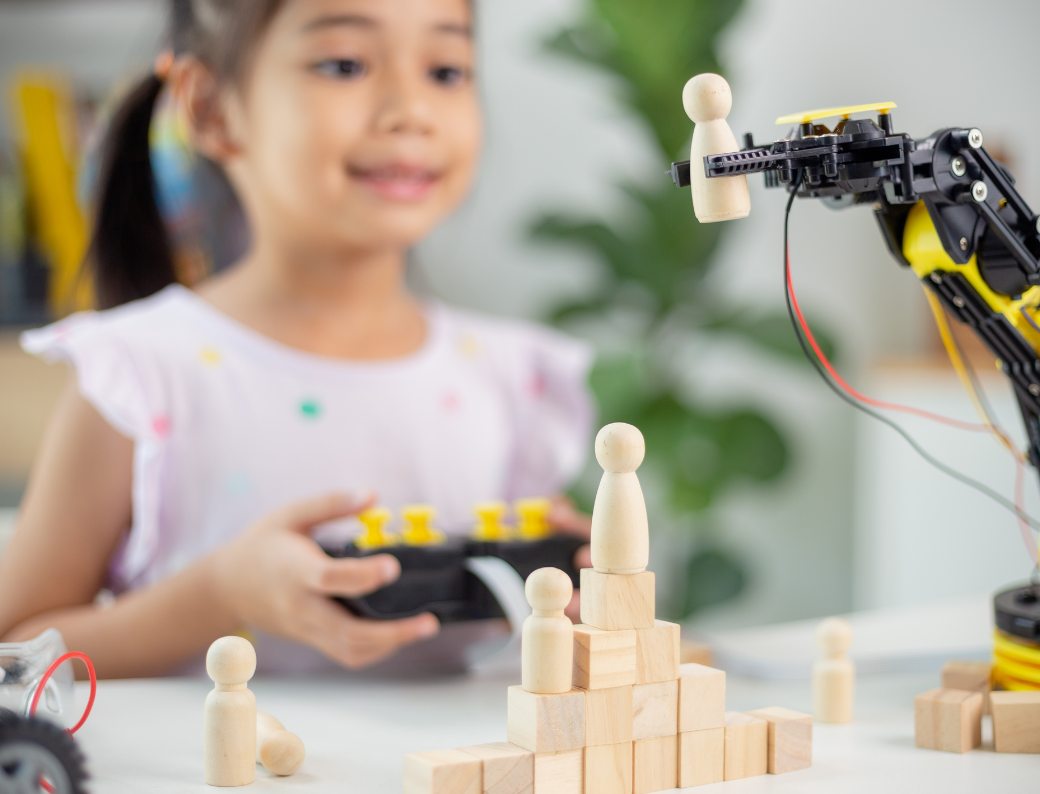
Why STEM Learning Matters in the Early Years
Ten things STEM learning builds in a child, and four practical ways to support it at home.
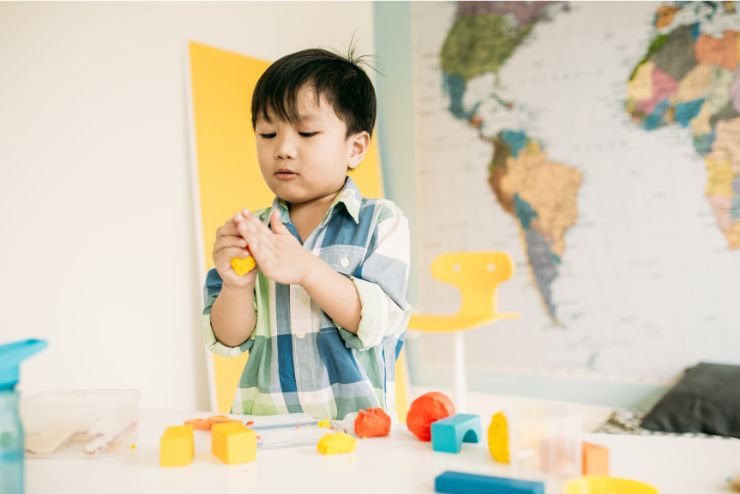
Where to Get an Aptitude and Interest Test for Your Child
Six ways to support what a child is drawn to, the three main tests used, and how to choose a provider.
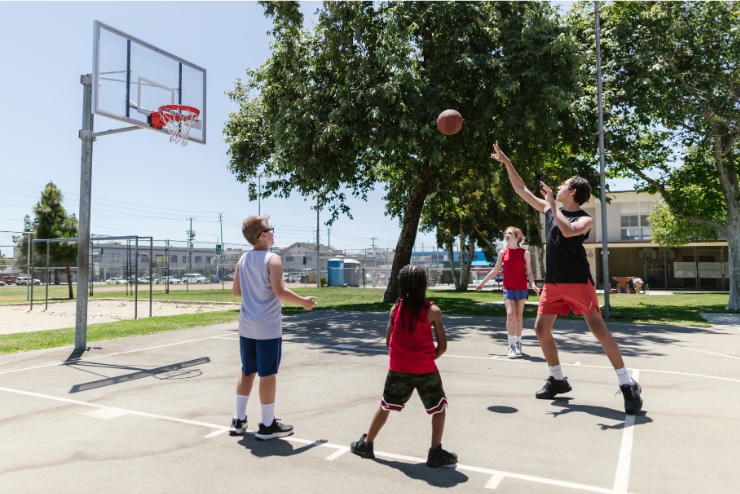
Seven Things Basketball Does for a Child
Five basic techniques worth knowing, and seven ways basketball supports how a child grows.
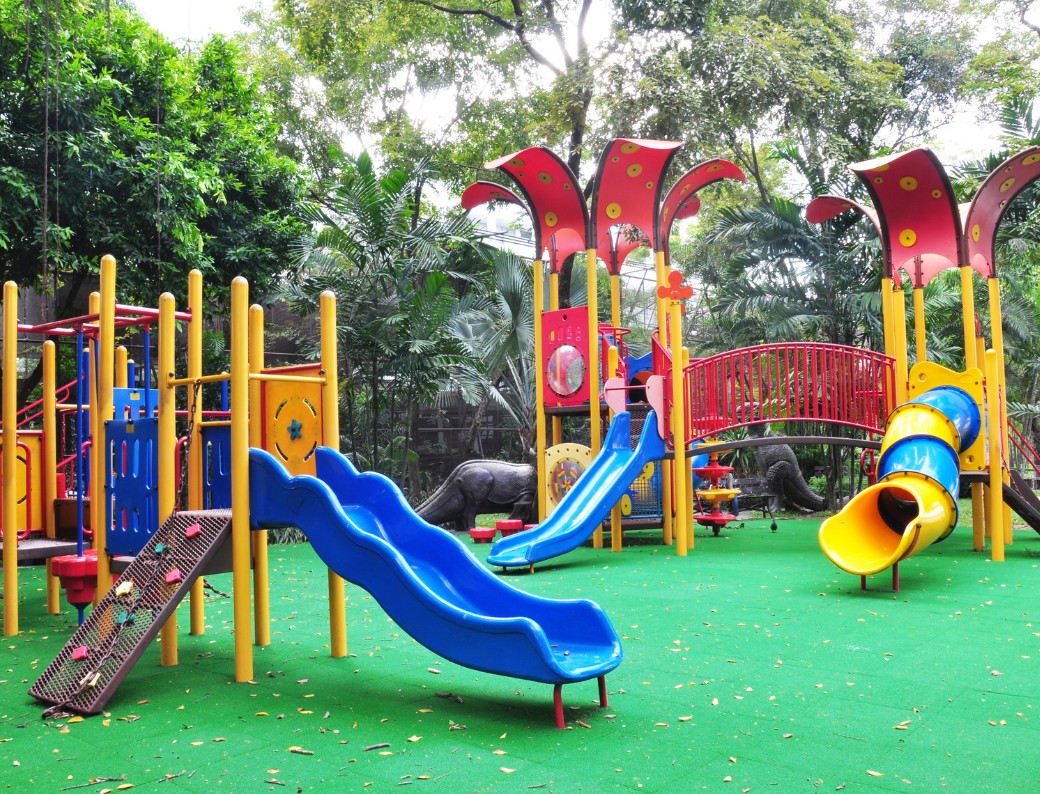
How to Choose a Safe Play Space for Your Child
Not every playground is genuinely child-safe. Seven criteria worth checking before you let a child loose.

Why Basketball Is Worth Starting Early
Basketball builds coordination, decision-making and teamwork at once. When to start, and how to choose a class.

Nine Ways to Make Coding Enjoyable for a Child
Coding looks difficult until you find the right way in. Nine approaches that keep a child genuinely interested.
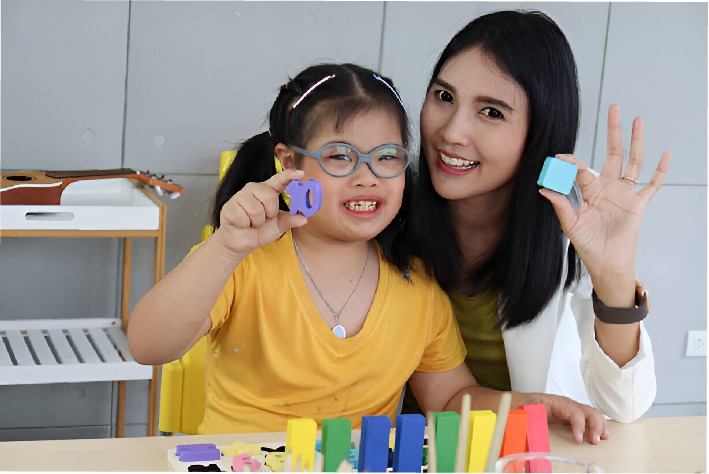
Ten Toys for Children With Special Needs
The right toy helps a child concentrate and heads off frustration. Ten worth having, and what each one builds.
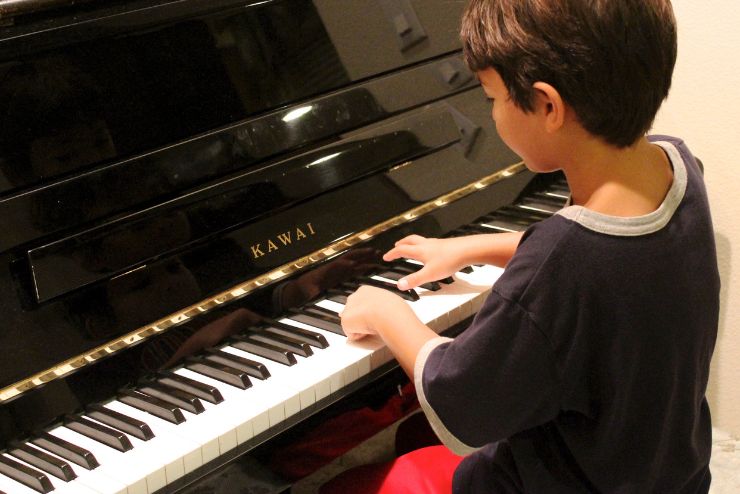
Ten Things Playing Music Does for a Child
Language, memory, motor control, focus and confidence. Ten things playing music actually builds in a child.
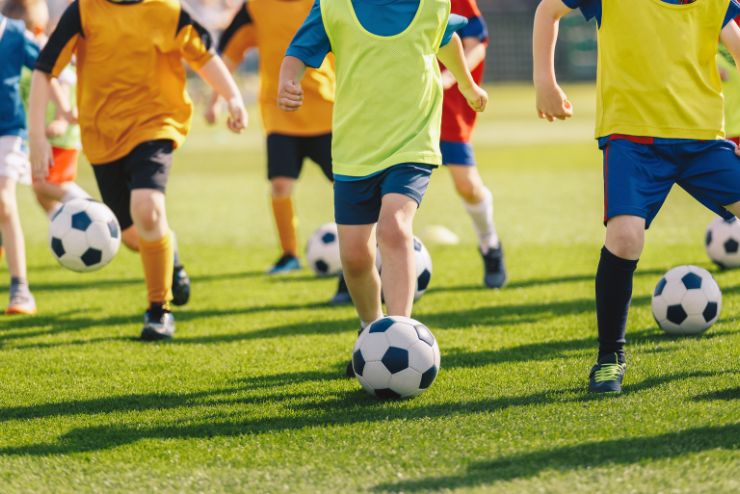
Sports Worth Getting a Child Into
The AAP recommends 60 minutes a day, and it doesn't have to be in one go. How to keep a child motivated.
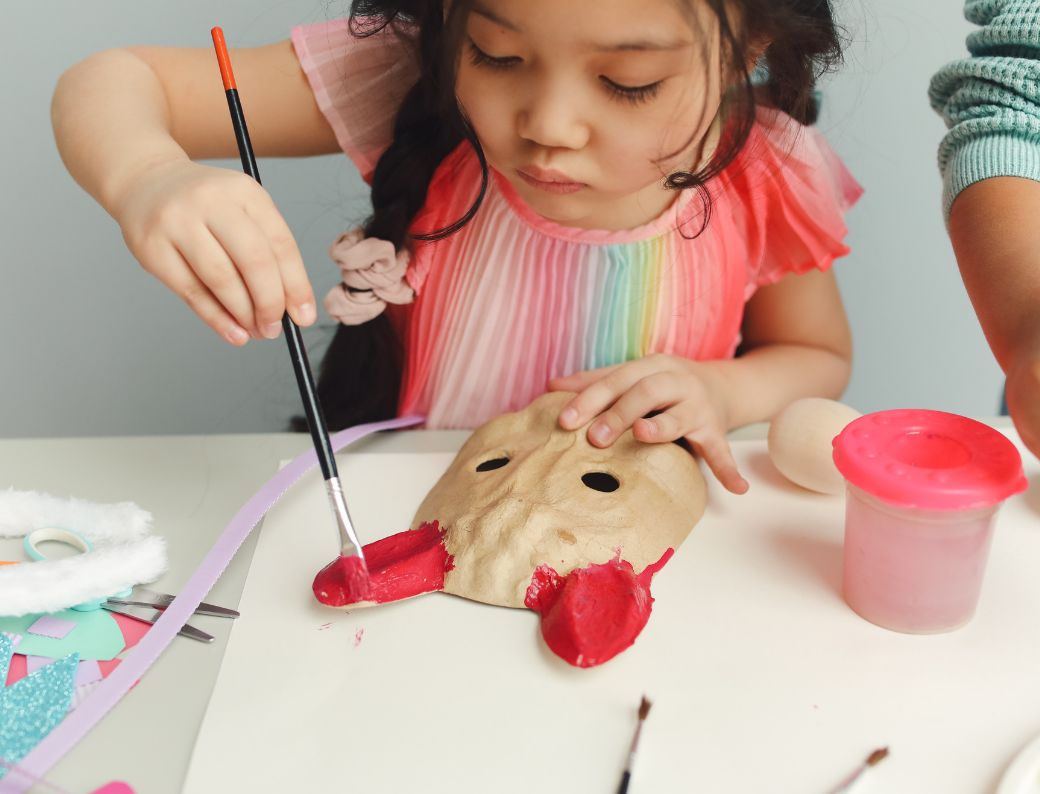
Art and Craft in Jogja for a School Holiday
Jogja is a city of art, and its creative workshops make an unusually good school holiday for a child.
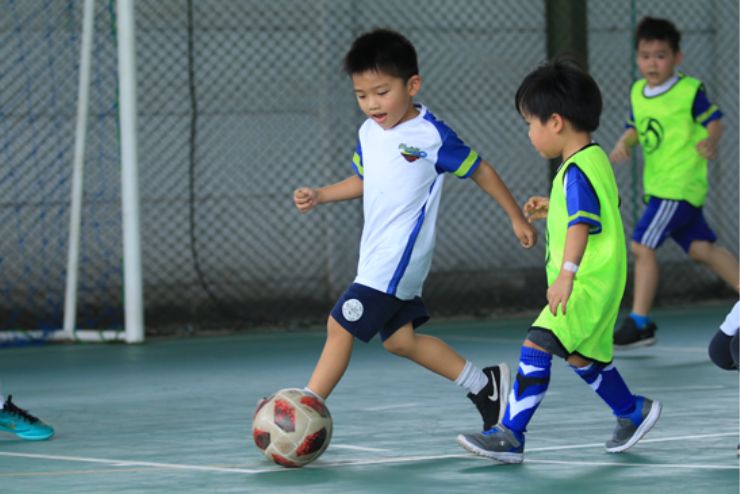
Choosing a Futsal Class for Your Child
Futsal builds teamwork, discipline and fitness at once. Five things worth checking before you enrol a child.
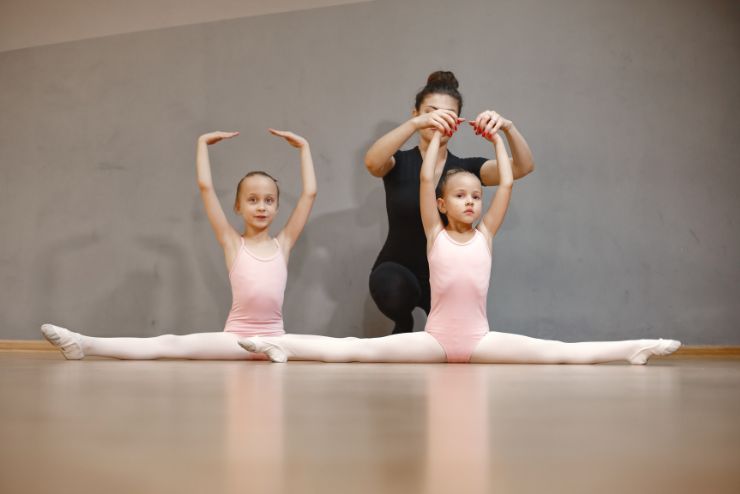
Dance Classes for Children
Happy Kamper lists 27 dance schools for children across 11 cities, from Royal Academy of Dance ballet grades to K-pop and traditional Indonesian dance. Jakarta accounts for 8, Bandung 5 and Denpasar 4. Every entry links to the school's own profile, where its class list and age bands stay current.
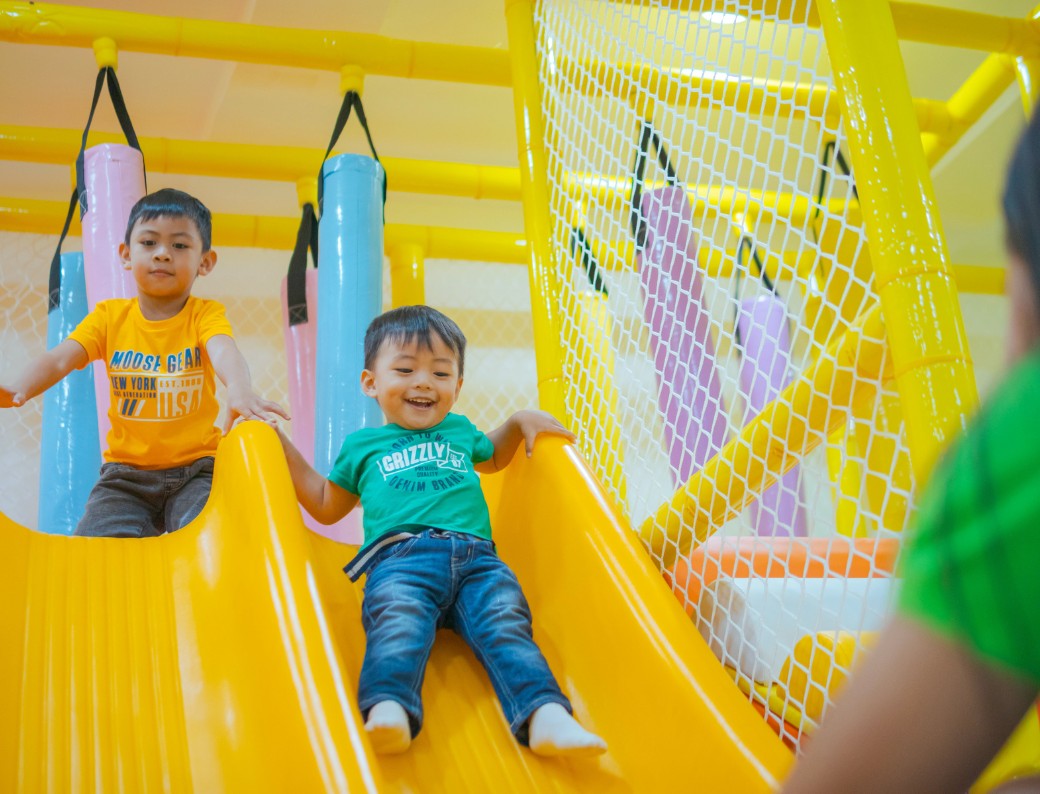
Family Days Out in Bekasi
Bekasi works for a family day out if you plan around two things, the weather and the air. Swimming, indoor play, craft workshops, football and coding all run here, for children from babies up to 18. Weekend LRT travel is capped at Rp10,000, so getting there rarely costs more than the day itself.

Music Classes for Children, City by City
Fifteen music schools across Indonesia, and the five things worth checking before you enrol.

7 Modern Dance Classes for Children in Jakarta
Dance builds confidence, coordination and discipline. Seven studios worth looking at, and what to check first.
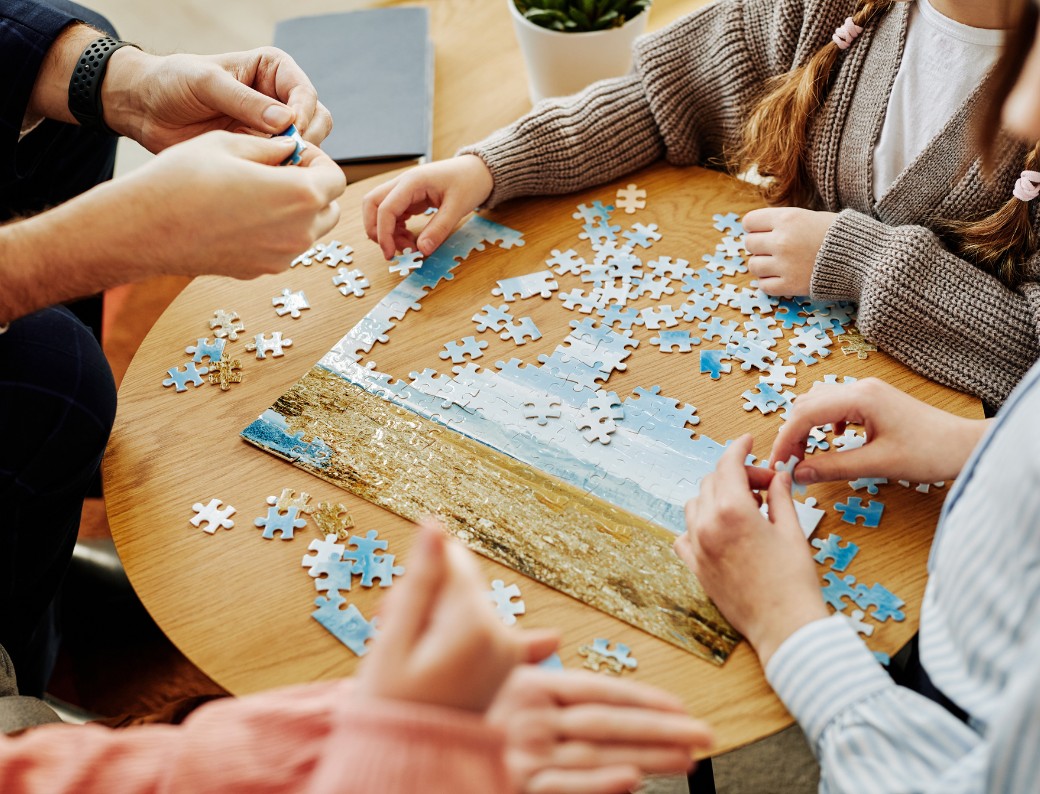
Indoor Games That Are Fun and Educational for Children
Being stuck indoors doesn't mean a child stops learning. Nine games worth setting up at home.
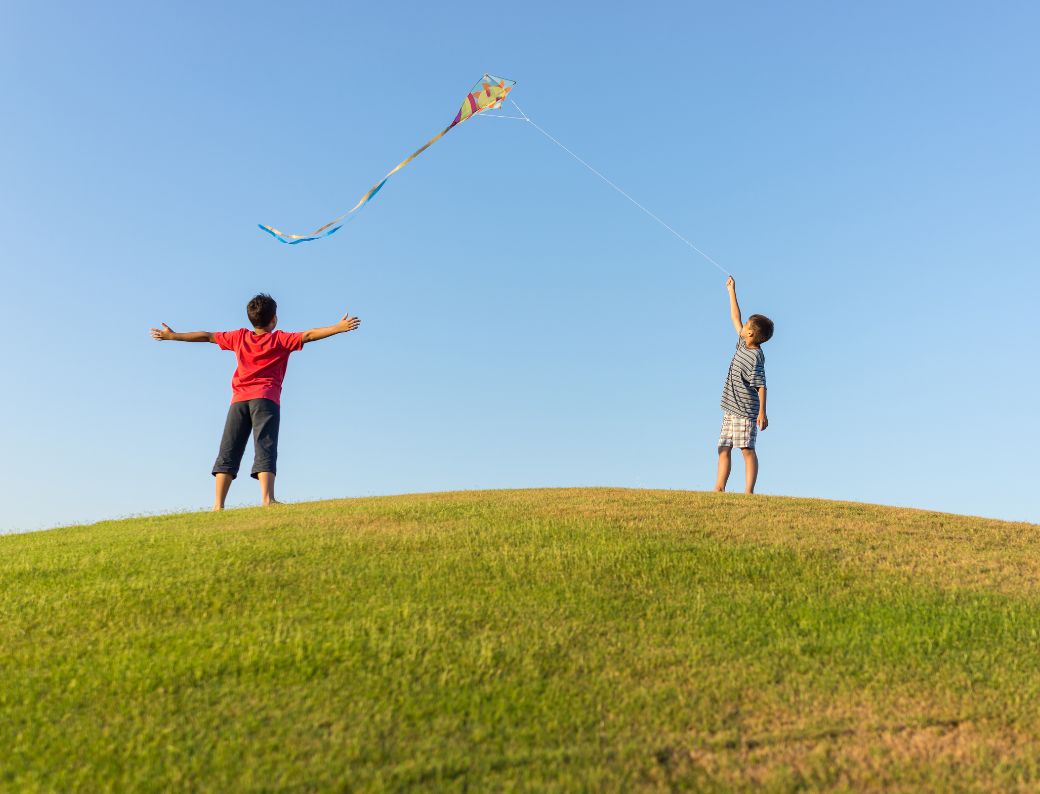
10 Outdoor Activities Worth Trying With Your Child
Children who play outdoors are more active and more socially capable. Ten activities worth trying.
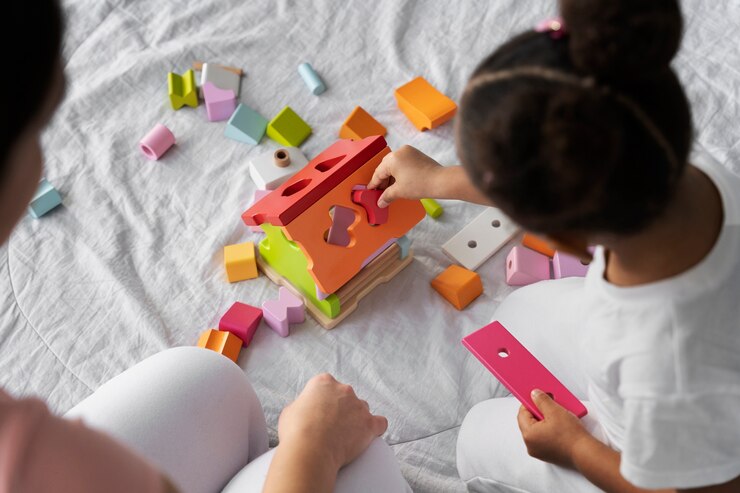
5 Educational Toys and What They Teach
Five educational toys that build motor control, logic and imagination, and the age each one suits.

Exercise for Children While Fasting: Keeping Them Active and Well
Fasting doesn't mean stopping entirely. Five light activities that keep a child active without draining them.
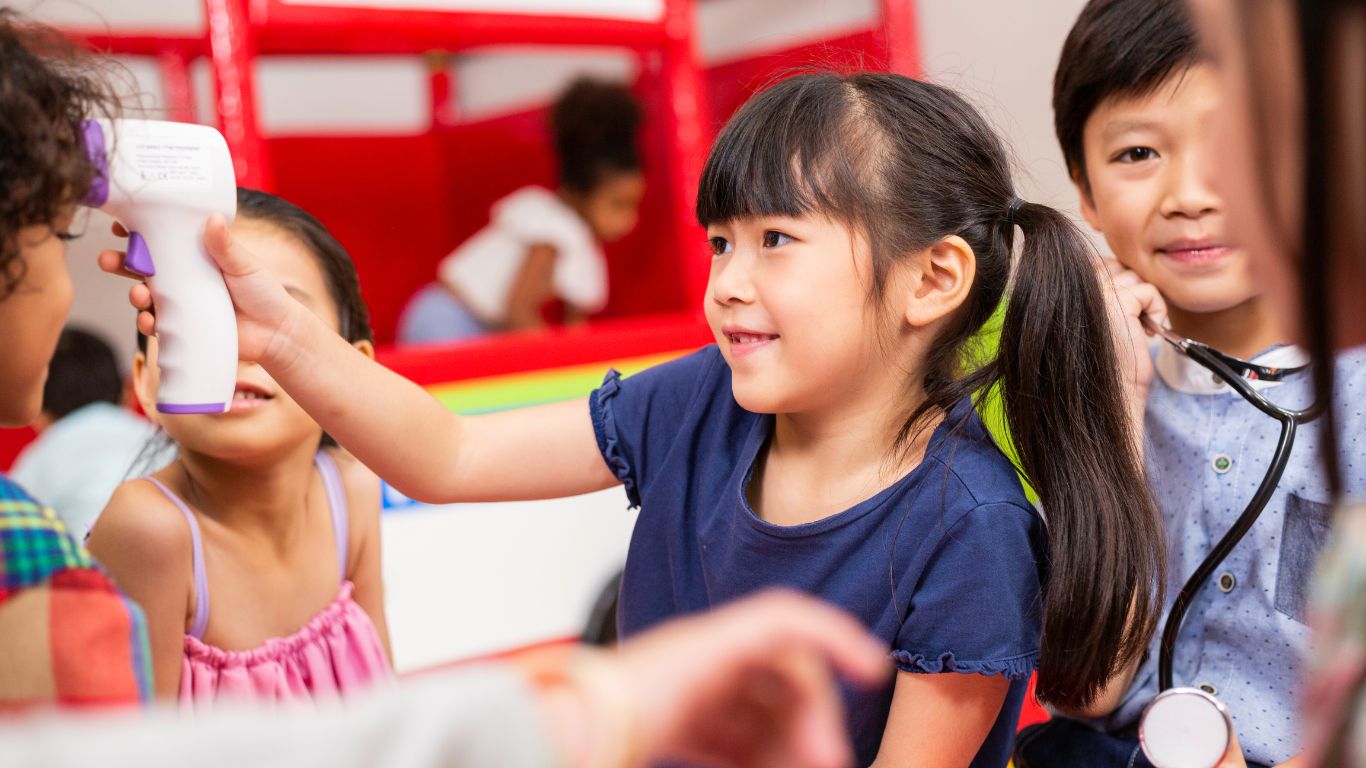
What a Playdate Does for a Child During Ramadan
Routines change during Ramadan and play time shrinks. A playdate is how children keep socialising.
Why Music Matters for a Child's Development
Music is far more than background noise. Seven things it does for a child, and how to introduce it well.
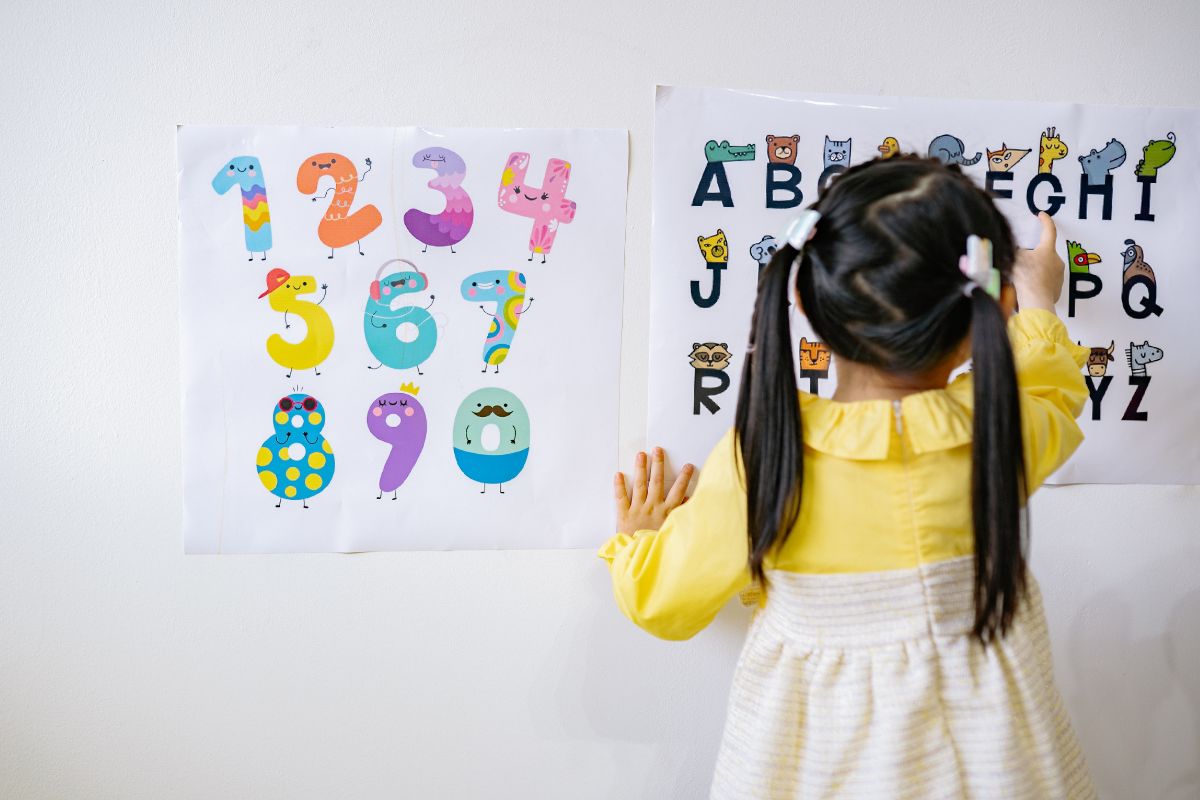
Practical Ways to Teach a Child to Read and Write Quickly
Six methods for teaching a child to read, five practical tips for parents, and what to do when the progress starts feeling slow.
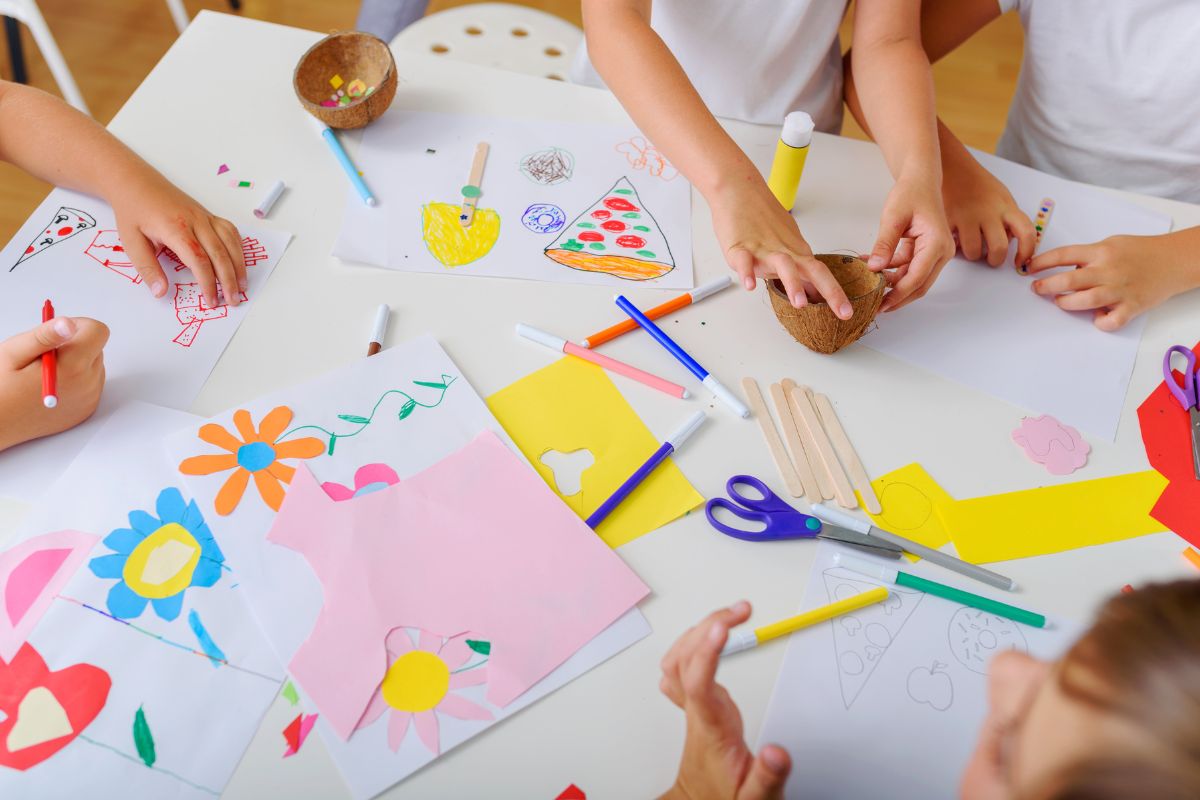
What Art Does for a Child in the Early Years
Making art works motor control, imagination, emotion and focus at once. Here's what it does for a young child, and how to support it.

What Playing With Slime Does for a Child, and How to Choose a Safe One
Slime works fine motor control, focus and creativity at once. Here's what it does for a child, and how to pick one that's safe.
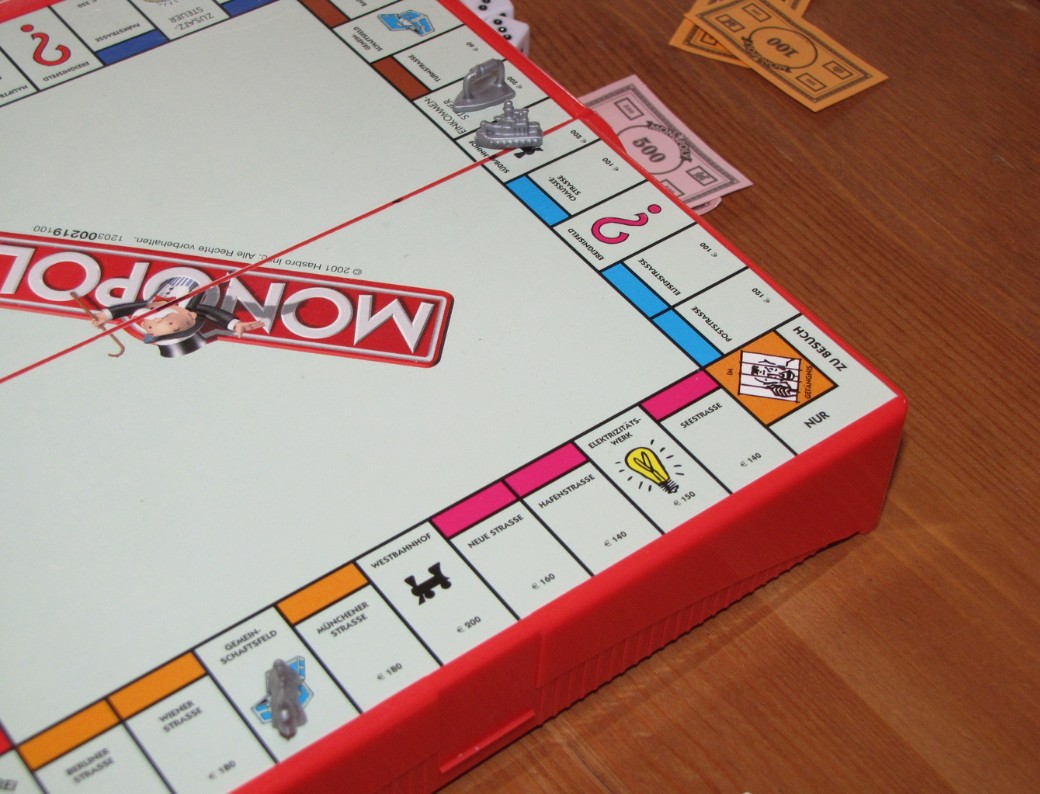
11 Board Games to Play With Your Children
Board games teach strategy, patience and how to lose well. Eleven worth owning, and five things to check before you buy one.
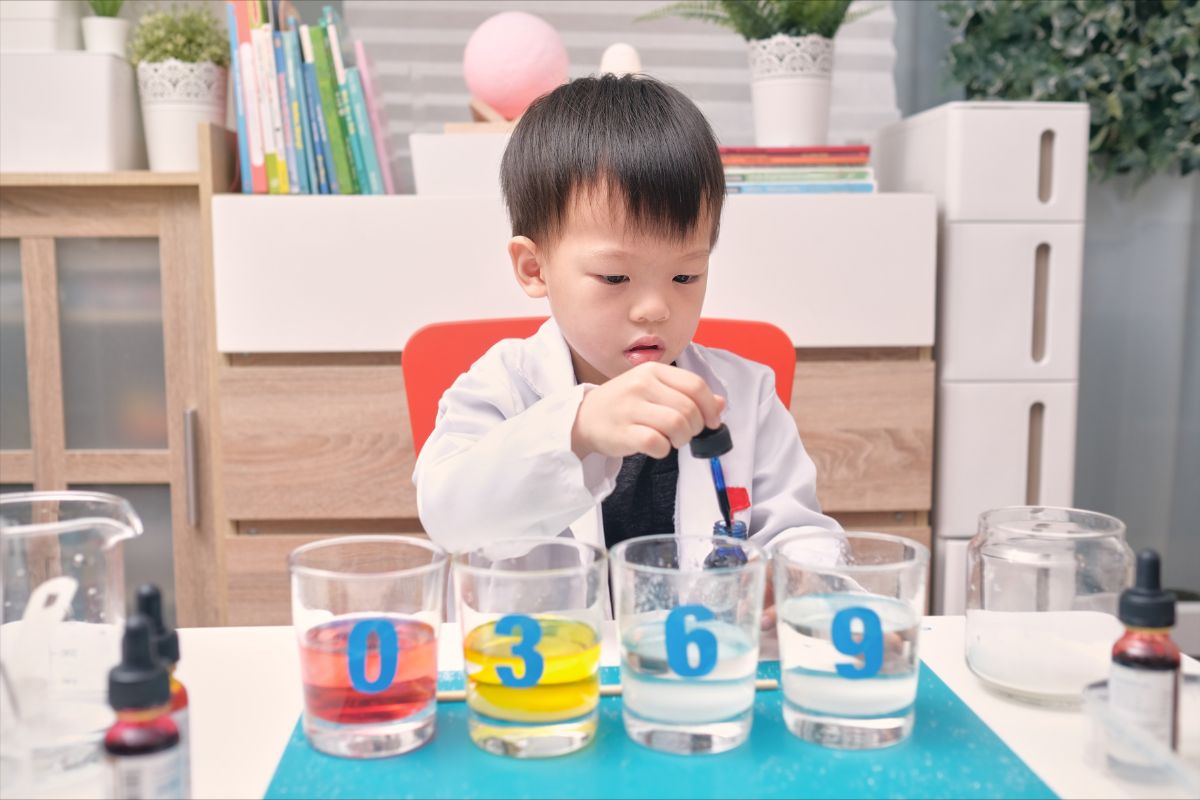
What Science Experiments Do for a Child
Baking soda and vinegar is the least of it. Here's what science experiments build in a child, and how to start at home without spending anything.

How to Teach Your Child to Read at Home
Children introduced to books early tend to be more confident at school. Here are seven steps for teaching reading at home, and the tools that help.
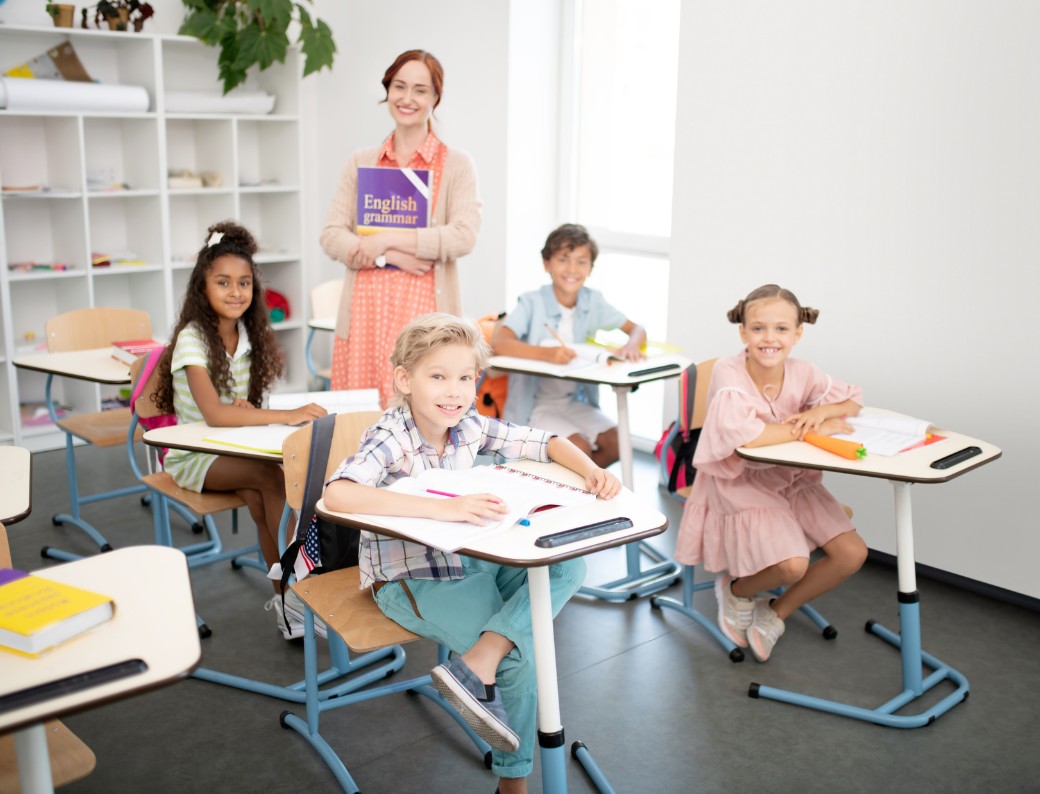
How to Teach a Child English From an Early Age
Young children absorb a language faster than adults do. Here are seven ways to teach English at home, and three ways to keep a child interested.

9 DIY Projects for the School Holidays
You don't need a day out to fill a holiday. Here are nine DIY projects, with materials and steps, mostly using what's already in the house.
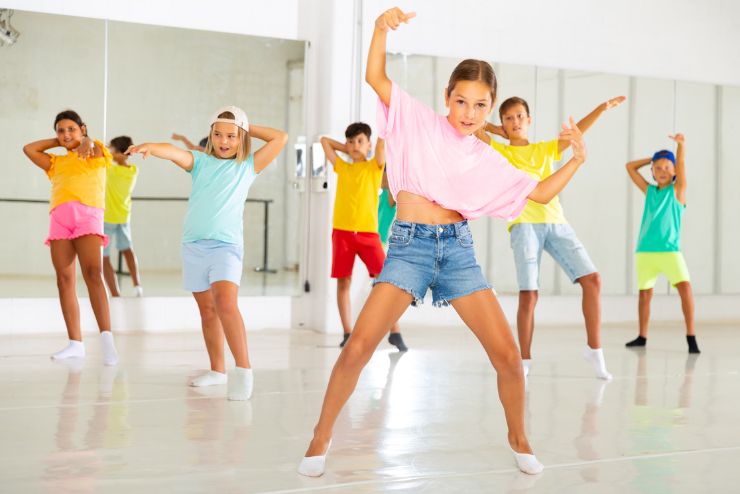
7 Benefits of Dance for Children
Dance is one of the easier ways to get a child moving for an hour a day. Here are seven things it builds, and which styles suit which child.
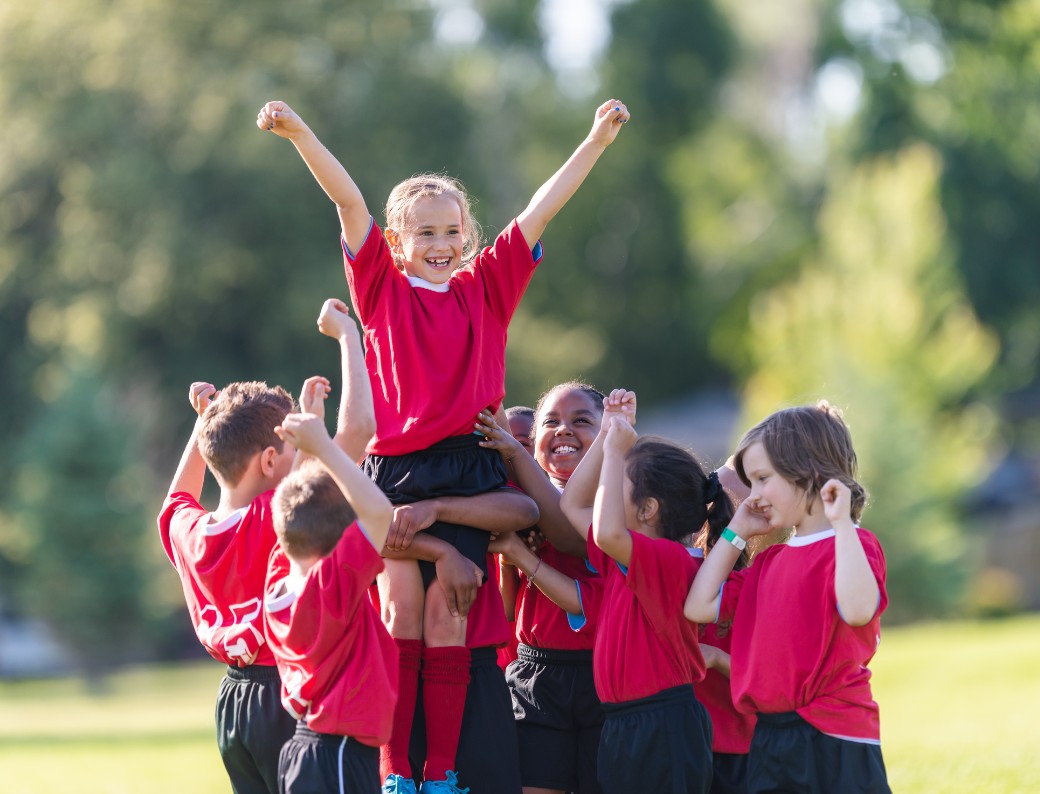
9 Reasons to Get Your Child Into Team Sport
Team sport builds collaboration, leadership and the ability to lose well. Here are nine reasons it's worth starting early, and places to train.
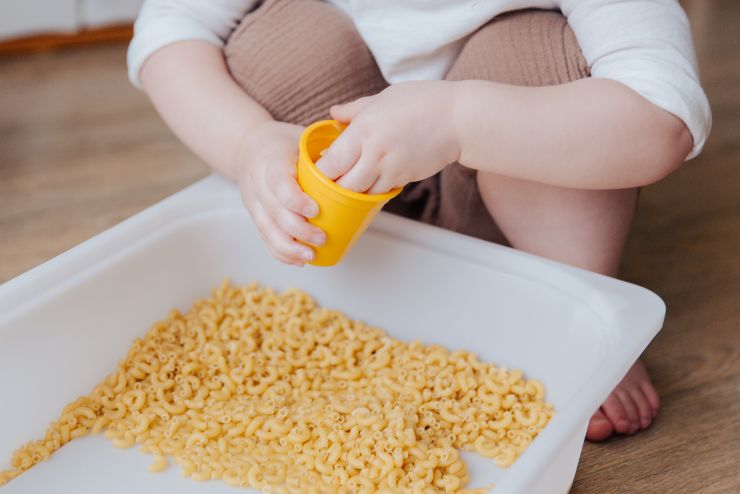
9 Sensory Play Ideas You Can Set Up at Home
Sensory play works all seven senses and needs almost nothing you don't already own. Here are nine ideas, and what each one builds.
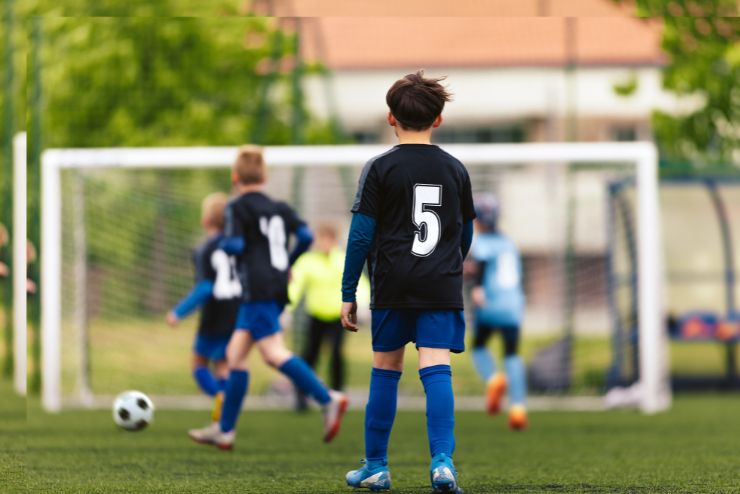
7 Benefits of After-School Programmes for Children
After-school activities do more than fill an afternoon. Here are seven things they build, from social skills and confidence to leadership and teamwork.
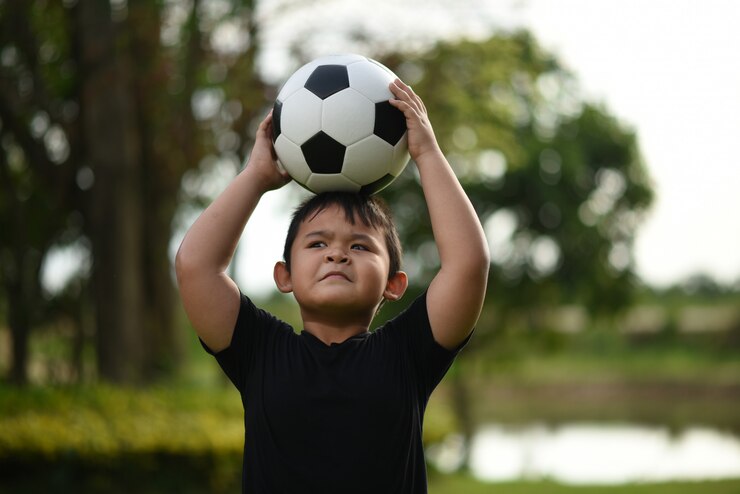
Swap Screen Time for Sport: What Suits a Child
Screens win by default when nothing else is on offer. Here are five sports that suit children, and six ways to build genuine interest rather than obligation.
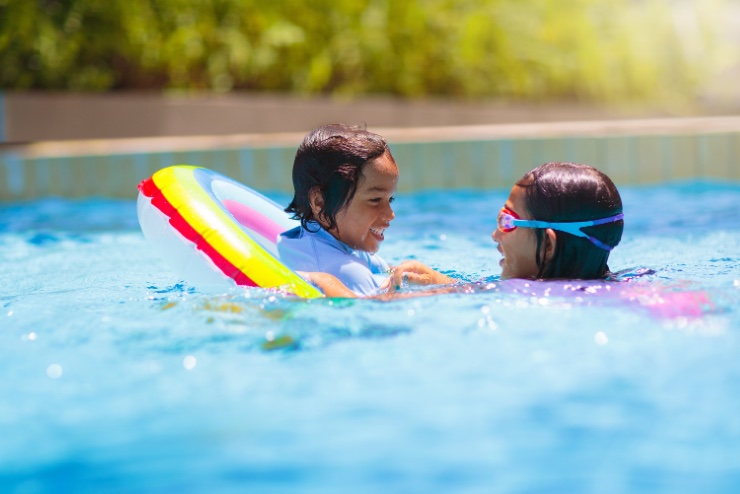
8 Benefits of Swimming for Children
The AAP says a child can start from 12 months, though four is the usual age for lessons. Here are eight things swimming does for a child.
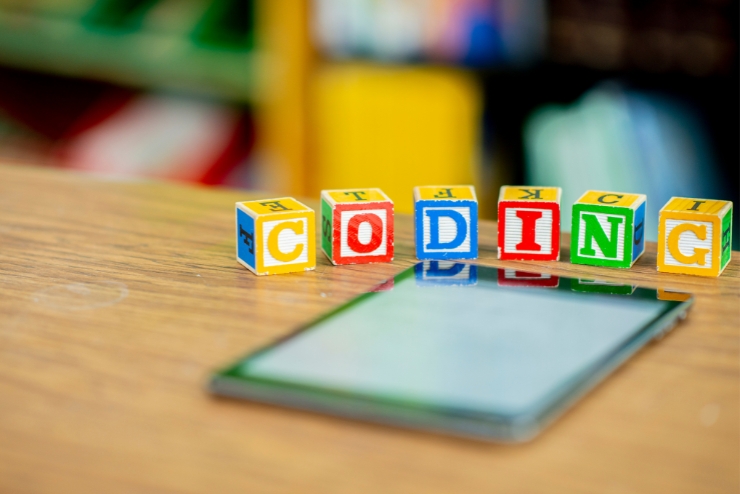
10 Benefits of Learning to Code, for Children
Coding builds far more than technical skill. Here are ten things it does for a child, and what to look for when choosing a class.
Looking for Childcare You Can Trust? Start Here
Choosing daycare is a hard decision for a working parent. Here's what it actually gives a child, and how to narrow down the search.
School Holidays Sorted: 5 Activities Your Child Will Enjoy
A long holiday spent entirely at home gets dull quickly. Here are five activities worth booking, and what each one gives your child beyond the fun.
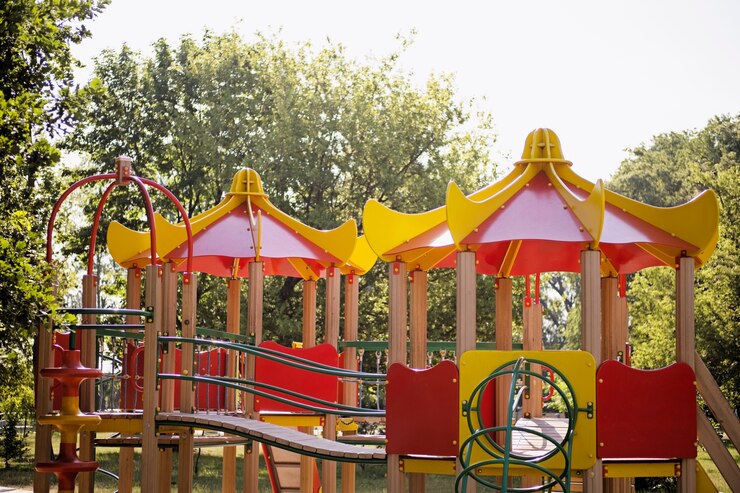
Playing and Practising: Sharpen Your Child's Skills Through Games
A playground looks like pure fun, and it is, but it's also where children build movement, problem-solving and social skills without noticing they're doing it.
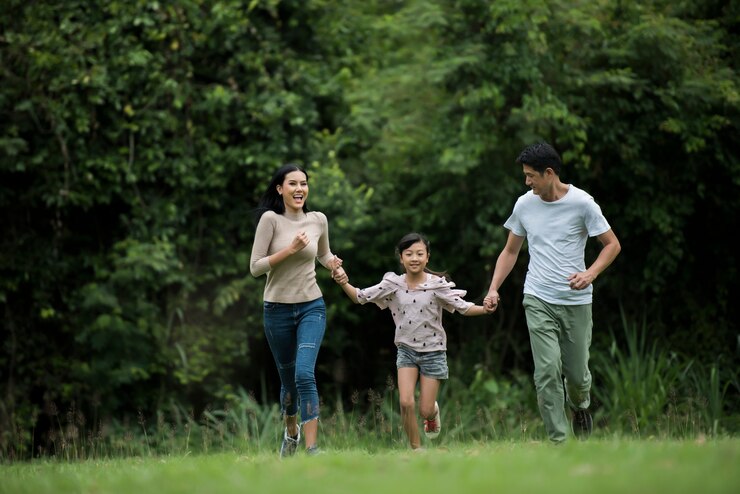
Make the Long Break Count: 5 Activities to Try as a Family
A long break is the chance to reconnect as a family, but it drags if nobody knows what to do with it. Here are five activities to try, and four tips to make them count.

What to Do When Kids Are Bored at Home, and Why Fewer Toys Work Better
Do less, not more. In a University of Toledo study, 36 toddlers played longer and more inventively with four toys than with a bigger pile. Boredom itself raised creativity in a University of Central Lancashire experiment. So clear the floor, leave one or two things out, and wait before stepping in.

What Kids Actually Learn in a Roblox Studio Coding Class
No. Roblox Studio is a separate free app for Windows and Mac, and the code inside it is Luau, a text language derived from Lua 5.1. A class teaches 3D building, scripting and publishing. Buy it for the skill, not for better school grades, and set the account up first.

Does Learning Violin Early Make Kids Smarter? What the Research Says
Probably not, at least not the way music schools imply. The largest review of the evidence found no reliable cognitive or academic benefit from music training once study quality is accounted for. Violin is still worth learning, for the music itself. Short daily practice tied to an existing routine is what keeps a child going.

Summer Camp for Kids in Indonesia: How to Choose One Worth the Holiday
In Indonesia a summer camp is really a school holiday camp, run during libur sekolah in June and July or the December break. Most are day camps your child attends each morning, filled with outbound games, swimming, nature walks, and craft. Choose one by checking supervision, the wet weather plan, and whether the outdoor time is real.

Coding for Kids: What Scratch and Python Actually Teach
Not in the way most coding schools promise. The largest review of the evidence found that the benefits to general thinking mostly vanish once children are compared against another structured activity rather than against nothing at all. Coding is still worth learning, as a real skill in its own right. Start ScratchJr around five, Scratch from eight.

Montessori Materials at Home: What Your Child Actually Needs to Start
You do not need a whole classroom. Start with a few real-life materials, a small jug for pouring, child-sized tools, objects to sort, sandpaper letters, and counters, arranged low and tidy so your child can reach them. Choose natural materials, offer one activity at a time, and add more only as each is mastered.

Kurikulum Merdeka and Play-Based Learning: A Practical Guide
Kurikulum Merdeka asks PAUD settings to support development through play rather than rote lessons. The practical work is mapping each activity to the developmental domains it supports, documenting learning through short, frequent observations, and sharing concrete progress with parents and Dinas Pendidikan.
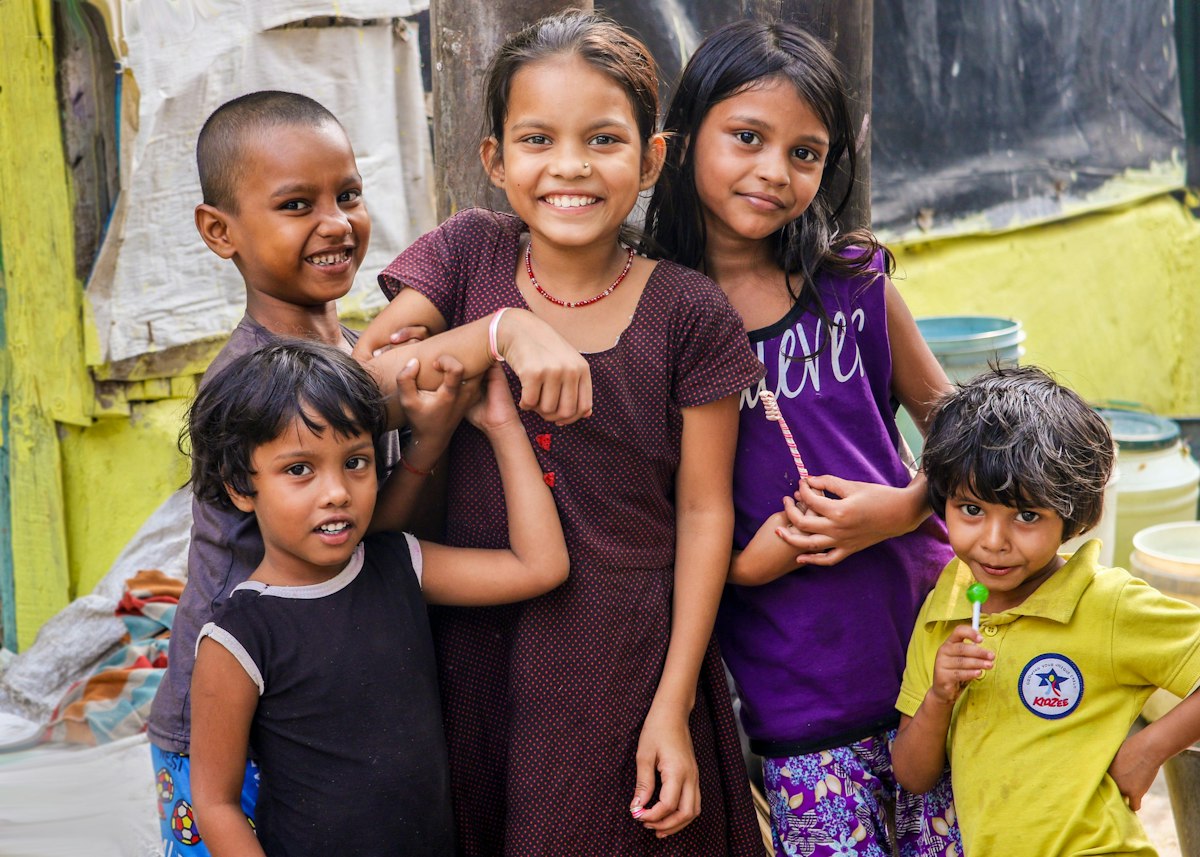
Sibling Discounts for Kids Activities in Indonesia: What Centres Offer & How to Negotiate
Most Indonesian enrichment centres and daycares offer a 5–15% sibling discount on the second child's monthly fee when both children attend the same provider. It is rarely advertised, so ask before signing the enrolment form. On a Rp 2.5M monthly daycare fee, a 10% discount saves Rp 250K per month, or Rp 3M per year.

How Kids Activities Build Social Skills, A Guide for Parents
Group activities build social skills because children practice cooperation, communication, and conflict management with peers, guided by an adult who is not a parent. Team sports teach teamwork, music ensembles build listening and coordination, arts programs develop empathy, and martial arts combine discipline with peer support. Instructor quality and post-session conversations at home matter too.

The Real Benefits of Extracurricular Activities for Kids, A Guide for Parents
Extracurricular activities build skills classroom learning alone cannot: cooperation with peers a child did not choose, confidence earned through visible improvement, and regular vigorous exercise. For most primary school children, one to two well-chosen activities per week deliver these benefits without over-scheduling, and enjoyment matters more than the number of classes.
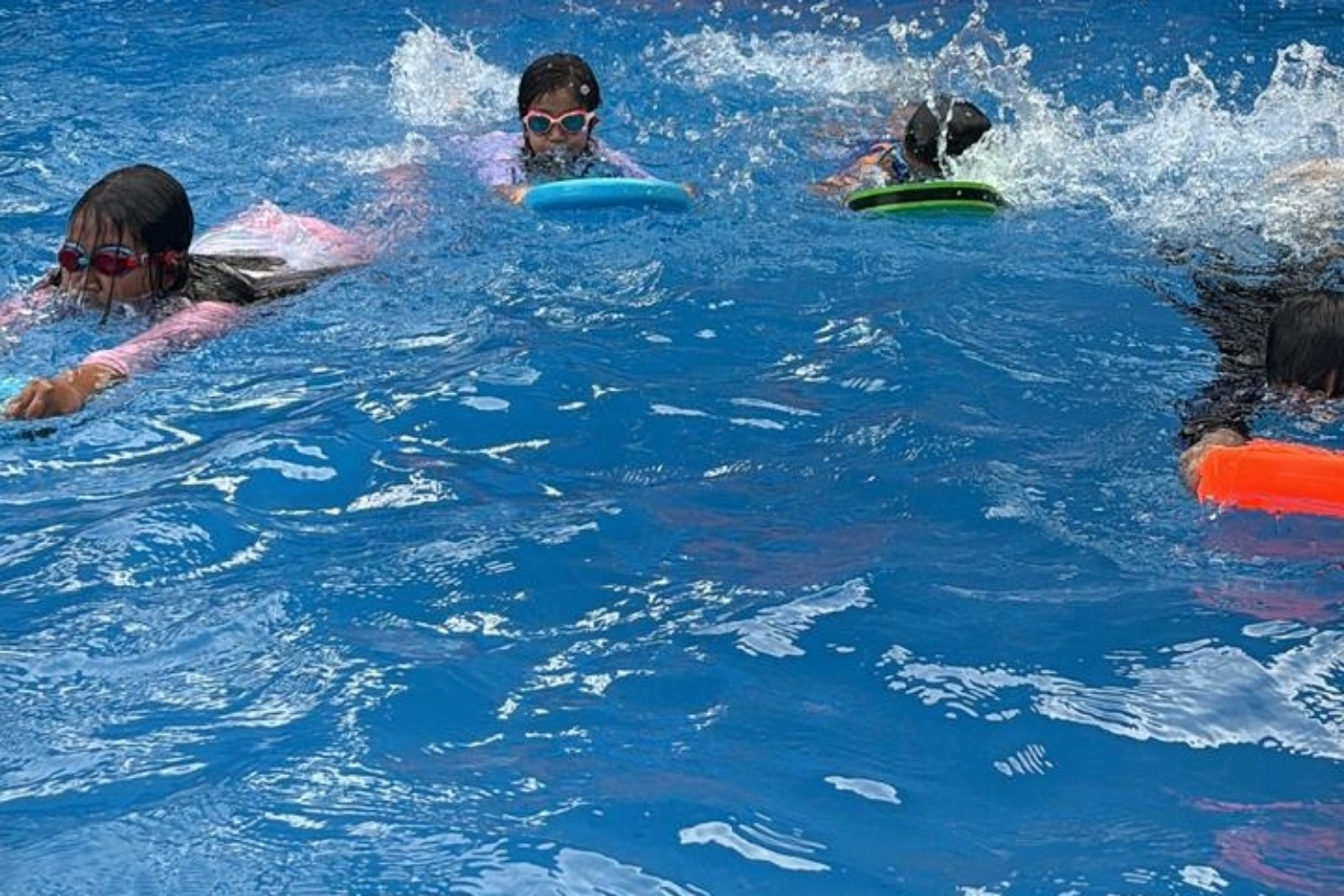
Enrichment Classes in South Jakarta, Best Options in Kemang, Cipete, and Fatmawati
South Jakarta offers one of Indonesia's widest ranges of enrichment classes for kids. Kemang and Cipete lead in premium bilingual programs, Fatmawati and Lebak Bulus are more accessible, and Kebayoran Baru hosts long-established music and martial arts schools. Prices differ sharply between those areas, so compare listed rates provider by provider before booking a trial.

Best Kids Activities in Semarang 2026, Classes, Sports, and Creative Programs
The best kids activities in Semarang are swimming programs at hotel pools and sports clubs, martial arts such as taekwondo, karate, and pencak silat, music lessons in Banyumanik and Setiabudi, and art classes around Tembalang. Prices are generally more accessible than in Jakarta or Surabaya. Browse verified Semarang providers and parent reviews on Happy Kamper.
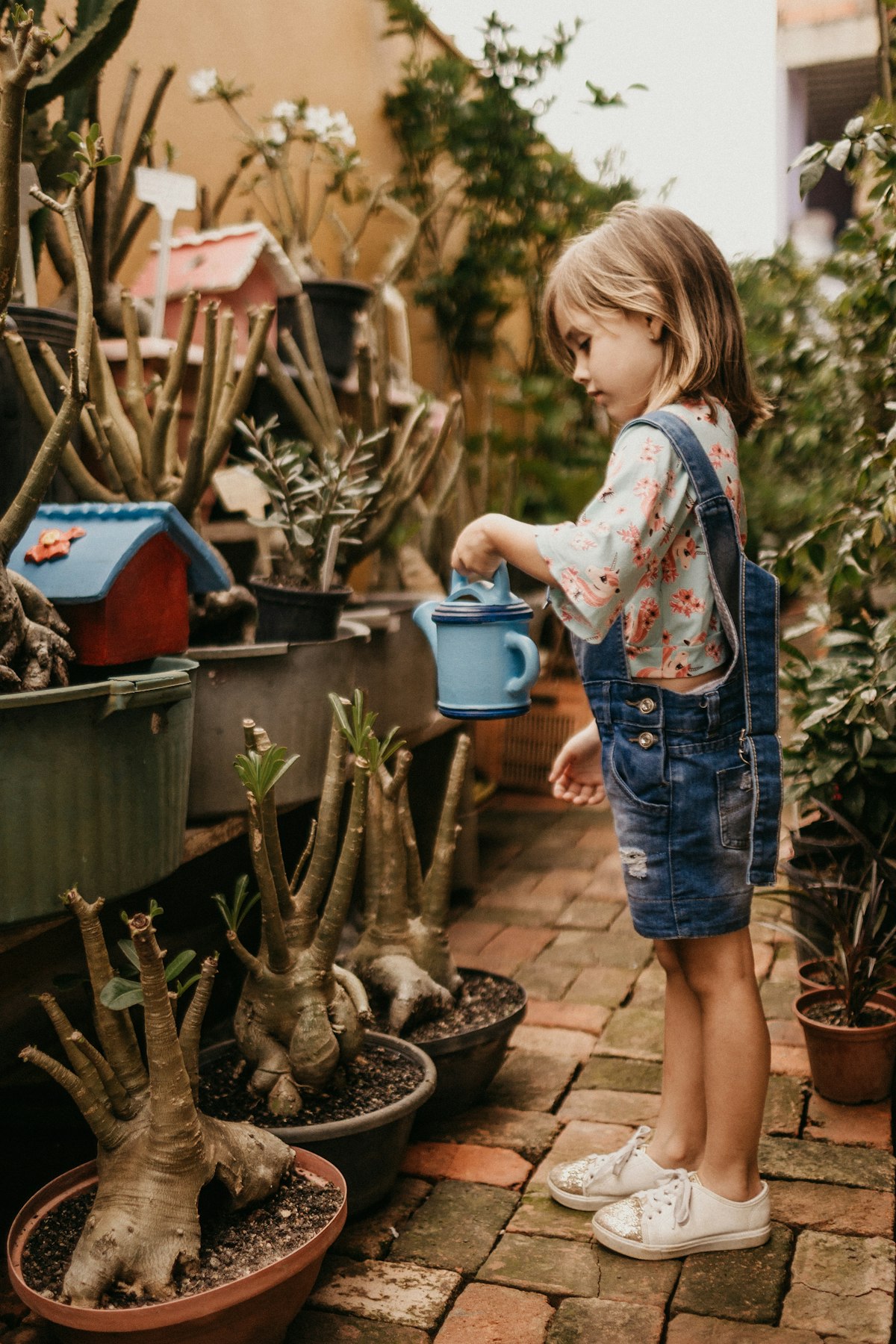
Kids Activities in Tangerang and BSD Serpong, The Complete 2026 Guide
Tangerang and BSD Serpong have one of Indonesia's densest kids activity markets. Swimming, music, coding, STEM, martial arts, and arts programs cluster in BSD City, Serpong, Alam Sutera, Gading Serpong, and Bintaro. Compare verified providers on Happy Kamper by activity type, age group, and price, then book a trial session before committing.
Affordable Kids Classes in Jakarta 2026, Activities Under Rp200,000 Per Session
Quality kids classes in Jakarta are widely available under Rp200,000 per session. Community swimming starts from Rp62,500, group sports average Rp50,000–100,000, and art, music, and dance classes run Rp75,000–175,000. Location, class format, and facilities drive the price more than teaching quality.
Free Kids Activities in Jakarta 2026, Complete Weekend Guide
Jakarta has many free kids activities, including public parks like Taman Suropati and GBK weekend zones, free trial classes, mall workshops, and school-holiday community events. Parks need no booking, while free trial classes and limited-capacity events can be reserved through the Happy Kamper app.

Best Swimming Classes for Kids in Jakarta 2026, Verified Providers, Prices & Reviews
Group swimming lessons for kids in Jakarta start from Rp62,500 per session, with formal lessons recommended from around age 3 and parent-accompanied water familiarisation from 6 months. You can compare verified providers, age ranges, and parent reviews, then book directly through the Happy Kamper app.
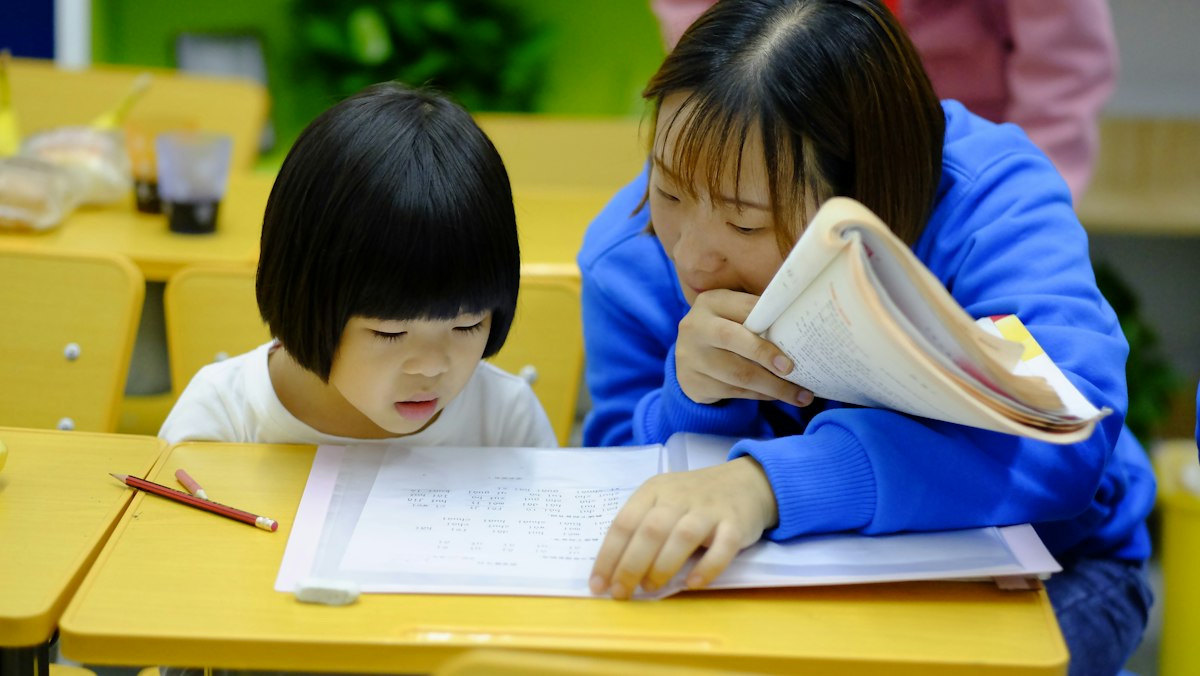
Bilingual Education for Kids in Indonesia: Benefits, Costs, and Options
Bilingual children tend to develop stronger cognitive flexibility, sharper problem-solving, and broader cultural awareness. In Indonesia, families can choose international schools, National Plus schools, English enrichment classes, or online tutoring, with costs ranging from IDR 100K per session up to 50M+ per month.

Kids Swimming Lessons in Indonesia: Ages, Costs, and Safety Guide
In Indonesia, most swimming schools accept children from age 3, with parent-accompanied classes available from 6 months. The American Academy of Pediatrics recommends water-safety lessons from age 1, with formal stroke instruction around age 4. Group lessons typically cost IDR 300K to 1.5M per month.

25 Free Activities for Kids in Indonesia: No Cost, Maximum Fun
Free activities for kids in Indonesia include public parks, beaches, nature trails, library story time, community workshops, and government PAUD programs. You can also try free trial classes from sports academies, art studios, and music schools to explore activities at no cost.
STEM Education for Kids in Indonesia: Classes, Costs, and Benefits
STEM classes for kids in Indonesia typically cost IDR 400K to 2M per month, with online programs starting from IDR 200K. Options include coding, robotics, science experiments, and math enrichment for children aged 4-12, and many providers offer free trial sessions.
15 Screen-Free Activities for Kids: Reduce Screen Time with Fun Alternatives
Instead of screens, kids can do physical activities like swimming, martial arts, and football, creative ones like art, music, and drama, and educational ones like STEM workshops and coding clubs. Replace one hour of screen time a week with a structured activity your child chooses, then build from there.
What Parents Should Know Before Choosing a Kids Activity Provider
To choose a kids activity provider, verify safety first (valid permits, staff certifications, and a child-to-staff ratio around 1:5), then check qualifications, reviews, and costs. Read parent reviews, try a trial class before committing, and compare at least 3 to 5 providers before deciding.

Complete Guide to Booking Kids Activities Online in Indonesia
To book kids activities online in Indonesia, use Happy Kamper to filter by location, age, category, price, and schedule, compare at least three verified providers, then book your chosen time slot and pay securely with GoPay, OVO, Dana, QRIS, or bank transfer.
Frequently asked questions
About this editorial hub
Happy Kamper is an AI-powered childcare management platform for preschools, childcare centers, and enrichment academies in Indonesia. Our editorial team blends early-childhood educators, childcare operators from across Indonesia, and product designers who have spent years in the childcare tech space. Every article we publish is written by one of these specialists and reviewed by at least one other person before it goes live.
Pricing quoted in city guides is sourced from current published rates and family surveys conducted in each neighborhood. Regulatory and compliance information is cross-referenced against the original source documents, ECDA licensing guidance, JKM/KPM rules, and dated as of each article’s last update. Our editorial independence is simple: we recommend Happy Kamper when it is the best fit, and we recommend alternatives honestly when an alternative is the better match for your situation.
We welcome corrections and additions. The fastest way to reach the editorial team is through the Connect link in the site header, a team member responds within two business days. The “Updated” badge on each card tells you when an article was last reviewed; we update content whenever evidence, pricing, or regulation changes meaningfully.