

Indoor Games That Are Fun and Educational for Children
Being stuck indoors doesn't mean a child stops learning. Nine games worth setting up at home.
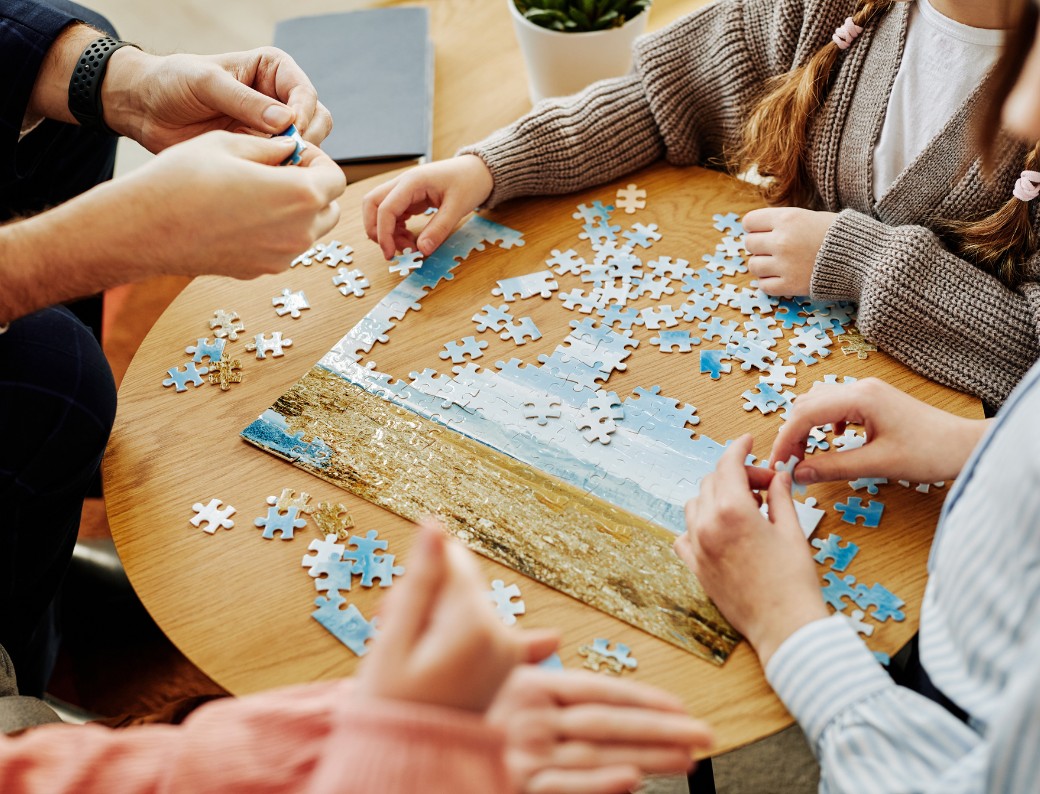
Time spent indoors doesn't mean a child loses the chance to stay active and learn. According to Indonesia's Ministry of Health, physical and mental activity both matter a great deal to how a child develops.
With creative, educational indoor games you can keep a child engaged without leaving the house. This article covers indoor game ideas you can set up at home.
Here are the ideas worth trying. Each one needs very little beyond what you already have.
Indoor Game Ideas
1. Puzzles and Riddles
A puzzle is an educational game that works a child's concentration and persistence. Choose one with appealing pictures suited to their age.
For a child of one to three, pick large pieces in bright colours, while a child of four and over will enjoy something more difficult as a challenge. Sitting with them while they work on it also raises the interaction and gives them a push when they get stuck.
What it teaches: puzzles support cognitive and fine motor development. They also build a child's problem-solving.
2. Homemade Bowling

Bowling at home only needs a few empty plastic bottles and a small ball. Line the bottles up at one end of the room and let your child knock them down.
To make it more appealing, decorate the bottles with colours or your child's favourite stickers. Keeping score adds a bit of friendly competition, and a mini bowling set works just as well if you'd rather buy one. What it teaches: it trains hand-eye coordination and helps a child learn about balance and control.
3. A Play Tent
Build a play tent in the living room for an afternoon adventure. Blankets, cushions and chairs are enough to make a camp.
Get your child bringing story books or favourite toys inside to add to it. The tent becomes a comfortable place to read, play a role or simply rest. String lights or a torch make the whole thing feel considerably more magical.
What it teaches: a play tent stimulates a child's imagination and gives them their own space to create in.
4. Art and Craft
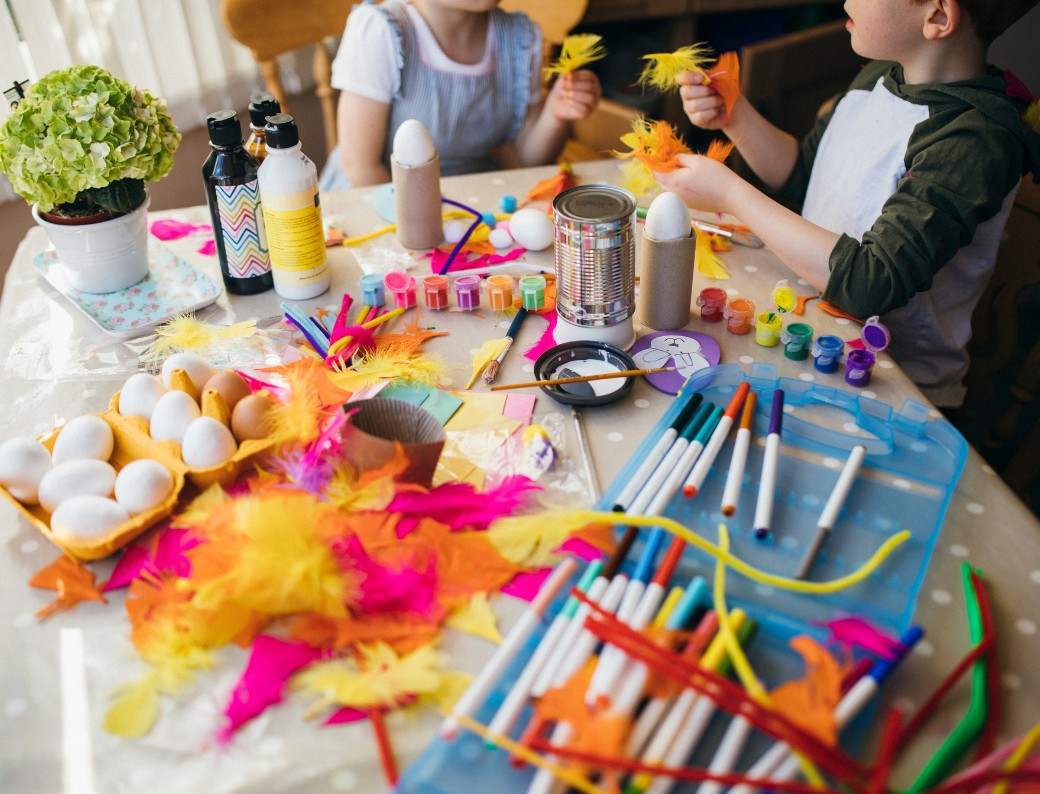
Art and craft are a reliable favourite. Set out paper, paint, scissors and glue for anything from drawing to making something from recycled materials.
You can make greeting cards, origami, or a puppet from an old sock. Alongside their creativity, it teaches a child about reusing things rather than throwing them away.
What it teaches: it works creativity, fine motor control and a child's ability to express themselves. The mess is worth it.
Read also: Art and Craft in Jogja Worth Trying With Your Child
5. Building Blocks
Building blocks never go out of date. A child can make all sorts of shapes and structures, from a simple tower to an elaborate castle.
Set an extra challenge, like building a house or a bridge, to push their critical thinking. Blocks also work for role play, making a small town complete with vehicles and miniature people. What it teaches: it develops spatial awareness, logic and creativity.
6. Board Games
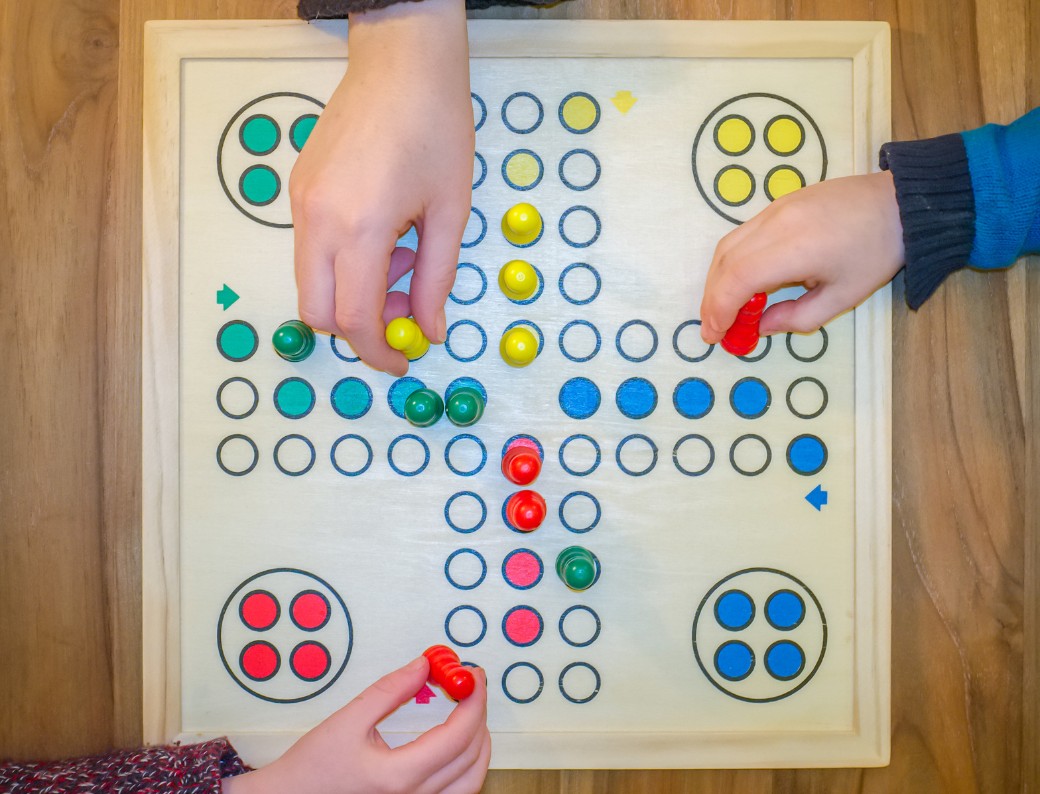
A board game is an enjoyable way to spend time as a family. Choose something suited to their age, like Ludo for a younger child or Monopoly for an older one.
Look for games with educational value too, whether that's geography or maths. A board game is also a chance to teach a child about rules, taking turns and losing without falling apart. What it teaches: board games teach strategy, teamwork and patience. More on board games here: Board Games to Play With Your Children
7. Role Play
Get children playing a role around a particular theme, whether that's doctors, cooking or being a superhero. Simple costumes or props add to it, and a doctor's kit made from a cardboard box or old clothes turned into a costume work fine. Role play helps a child understand different jobs and social situations while developing their language and communication.
What it teaches: role play builds empathy, social skills and imagination.
8. Lego
Lego stimulates a child's creativity and imagination. With the range of shapes and colours, a child can build anything from a vehicle to a futuristic building.
Set a theme for the project, whether that's a spacecraft or a dream city, to add a challenge. Alongside playing alone, children can collaborate with a friend or a sibling on something bigger. What it teaches: Lego trains fine motor skills, creativity and problem-solving.
9. Educational Apps
Technology is worth using through educational apps. These help a child learn while playing, whether that's reading, arithmetic or a foreign language.
Choose something suited to their age and interest, and supervise the use so they get the most out of it. Keep their screen time balanced against physical and social activity.
What it teaches: educational apps add stimulation for academic and digital skills. Used in moderation they complement everything else here.
Those are indoor game ideas worth trying with your child. With activities like these, children stay active and keep learning without leaving the house.
Managing Play Time at Home
1. Set a Routine
Building a regular schedule for play at home creates a pattern a child can rely on. Make sure play time is part of their daily routine so they have a fixed slot for enjoying themselves and learning.
With a consistent routine a child understands when it's time to play and when it's time for something else, like eating or studying. A regular schedule also keeps them active through the day.
2. Build In Breaks
After a stretch of playing, a child needs proper rest. That helps them recover their energy and prevents exhaustion.
Set a play duration suited to their age, along the lines of 30 to 45 minutes followed by 10 to 15 minutes of rest. During a break they can do something quieter, whether that's reading a book or listening to music. Beyond keeping their energy balanced, it teaches them to manage their own time.
3. Let Them Choose
Bringing a child into the choice of activity raises their interest and enthusiasm considerably. Offer a few options and let them pick which one they want.
That way a child feels valued and stays motivated to keep to the schedule. It also teaches them to make a decision and plan their own time.
4. Set a Time Limit
A time limit stops a child getting stuck on one activity for too long. Use a timer or an alarm to signal when play time ends, which teaches them about managing time early. Give them a few minutes' warning before it finishes so they can wrap up what they're doing properly.
5. Combine Physical and Mental Activity
To keep things balanced, combine activities involving movement with ones that work their thinking. After skipping or dancing, for instance, move on to a puzzle or a story. With that variation a child stays physically active while getting the mental stimulation their development needs.
Playing at Home Keeps a Child Creative
Playing at home isn't only a way to fill a child's time, it's a chance to develop a range of skills. With varied, appealing indoor games you can keep a child active and creative. Managing play time properly is what makes sure they get the most out of each activity.
For more game and activity ideas, the Happy Kamper app lists options designed for children. These cover educational activities, outdoor activities and home-visit indoor sessions.
It's worth a look when you're planning the week. A little structure makes play time count for considerably more.