
Keeping Children Healthy: How to Build an Exercise Habit Early
Screens win easily when nothing else is on offer. Here's what regular exercise does for a child's body and mind, and four practical ways to build the habit early.
Children are exposed to the internet and to smartphones earlier than ever, and there's nothing wrong with that in itself. There's a lot they can learn from having information within easy reach.
The worry starts when the phone takes up the hours that used to go on being outside. Too little physical activity has real consequences for a child's health and development.
The WHO recommends that children aged 5 to 17 get at least 60 minutes of exercise a day, and it doesn't have to come in one block. Thirty minutes in the morning and thirty in the afternoon works just as well.
In practice many children would rather spend that time on a phone, barely moving at all. That's why building the habit early matters, and why it's worth a parent's effort.
What Exercise Does for a Child
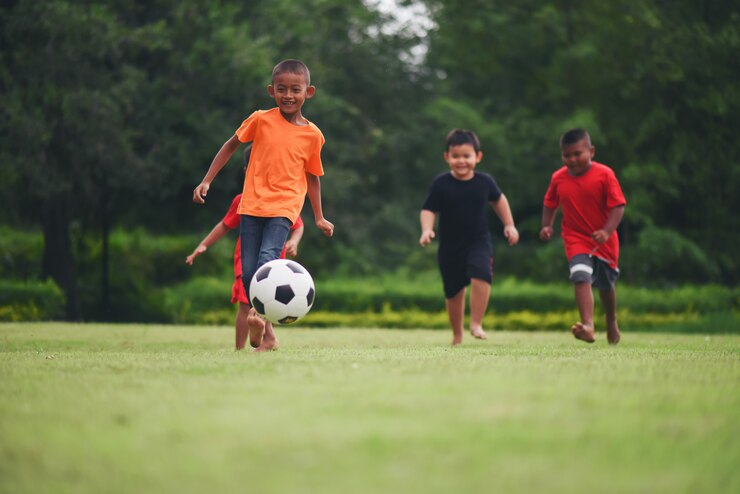
Exercise does a great deal for a child's development, physically and mentally. Here are the main benefits.
1. Better Physical Health and a Steadier Mind
Regular exercise helps a child grow and develop well. It strengthens bones and muscles, supports the immune system, and is good for the heart and lungs.
It also helps with stress and anxiety, and tends to improve both sleep and mood. A child who grows up moving regularly is generally a healthier one.
2. Sharper Thinking and Better Motor Skills
Exercise increases blood flow to the brain, which supports learning and memory. A child who moves regularly also builds a body that copes better with running and jumping.
Stamina improves alongside it, and so do coordination and balance. Those come from practice rather than age.
3. Practice at Getting Along With Others
Exercise doesn't have to be a solitary thing. Getting your child moving alongside children their own age means they pick up social skills at the same time.
It builds confidence, and it's where they learn what fair play actually means. Both are easier caught than taught.
How to Build the Exercise Habit
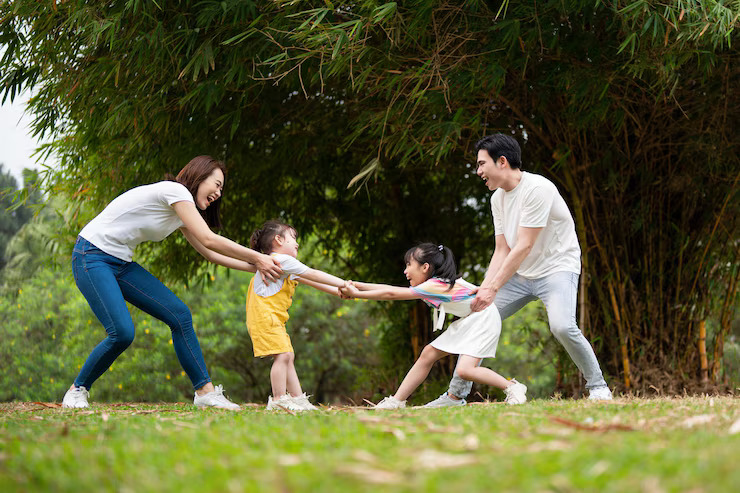
Getting a child into a healthy routine isn't straightforward, and it rarely happens quickly. You can help them grow into it, though. Here are four tips from Happy Kamper for making exercise a regular part of the week.
1. Start by Setting the Example
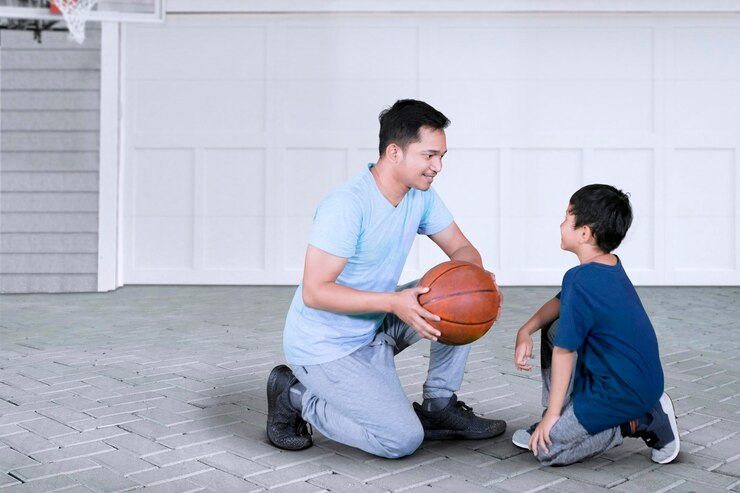
Setting the example is the single biggest lever for any good habit, exercise included. Children take their cue from their parents.
A child who watches a parent exercise regularly is far more motivated to do the same. So start with your own routine and let them follow it.
2. Help Them Find a Sport They Like
Let your child try different sports until something sticks. Enthusiasm does more for consistency than discipline does.
None of this needs a big budget either. Walking, cycling or playing at the park nearby is a perfectly good place to start.
3. Make It Enjoyable
A child who enjoys exercise keeps doing it, which is really the whole point. You can help by playing along or inviting their friends.
Plenty of activities work well as a group, badminton and swimming among them. Both are easy to arrange and hard to get bored of.
4. Praise the Effort
Set a target with your child and mark it when they hit it, with praise or a small reward. Keep the target realistic and within reach.
Something achievable keeps them keen and turns the effort into a habit. Something too ambitious does the opposite.
In Short
Exercise matters for a child's physical and mental health alike. It strengthens muscles and bones, helps with a healthy weight, and supports how their motor skills develop.
On the mental side it eases stress, lifts mood, and builds both confidence and discipline. Those are worth as much as the physical gains.
Building the habit early takes an active parent, which means setting the example, making time and space for it, and keeping it enjoyable. Do that and a child carries the benefit for the rest of their life.