
Teaching Tolerance Early: 5 Tips That Work
Children learn how to treat difference by watching how you treat it. Here are five practical ways to build tolerance before they start school.
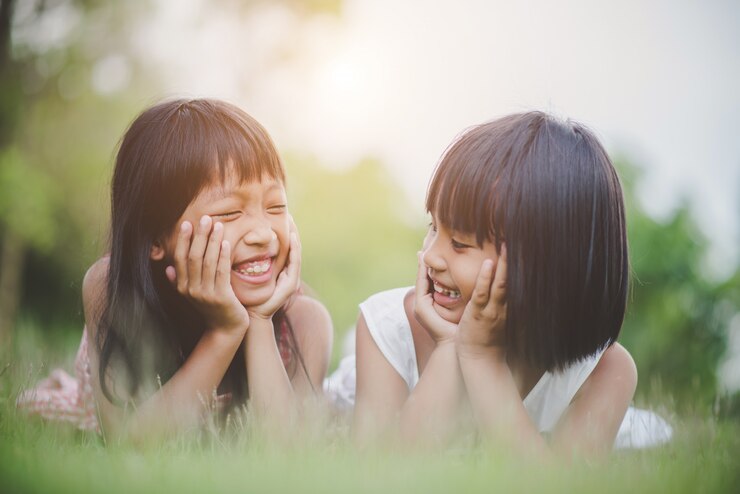
Teaching a child tolerance early matters, and it's worth doing before they start primary school. Tolerance is what lets them respect difference, value what makes each person unique, and cope in a world that isn't uniform.
It covers every kind of difference, ethnicity, religion, gender, meeting someone with a disability, and difference in ability. Learning it early is how a child comes to respect all of it rather than only the parts that look familiar.
Why a Child Needs to Learn Tolerance
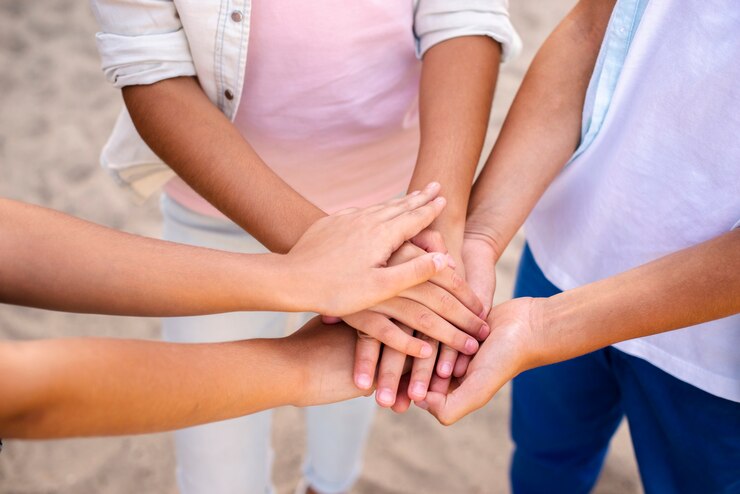
Parents are a child's first teachers. A child reflects what their parents do and copies how they behave at home, which is why demonstrating tolerance matters as much as explaining it.
Without it, a child can react badly to anyone who looks different to them. Refusing to play with another child because their skin colour is different, or because they're from a different background, is exactly how it shows up.
Teaching tolerance builds social and emotional intelligence, so a child can get along with and value everyone around them. Here are five practical ways to build it early.
Read also:
Parenting Tips That Support How Your Child Develops
Five Ways to Build Tolerance Early
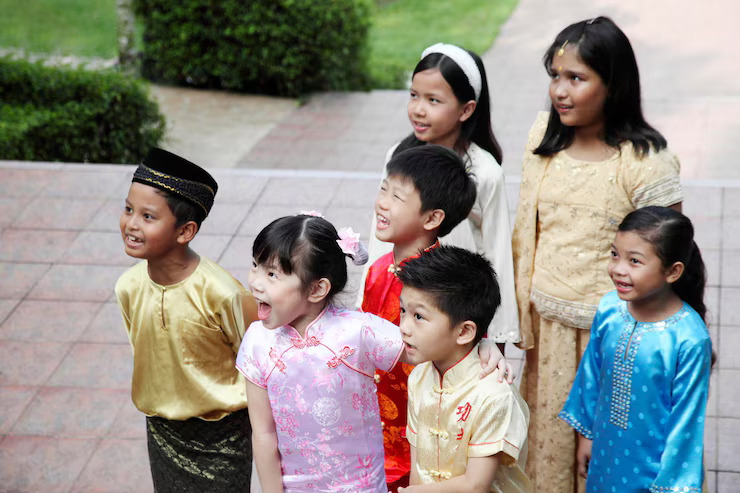
Tolerance needs practising daily before a child gets comfortable with the difference around them. That's the case for starting early rather than waiting.
1. Teach Them to Respect Difference
Start by teaching your child not to treat difference as bad or strange. Frame it the other way, as something interesting and worth learning about.
When they're playing with a child of a different background, religion or culture, teach them to respect the difference and look for what they share. A child who thinks this way is more careful with their words and less likely to hurt someone with them.
2. Take Them Somewhere Mixed
Take your child places where people come from a range of backgrounds. It gives them practice at adapting to difference and valuing it.
A market or a festival with people from several cultures works well. So does visiting a region different from where you live, where they can put respect into practice rather than only hear about it. The more familiar difference becomes, the more easily a child accepts and respects it.
3. Tell Them About History and Culture
Tell your child about histories and cultures other than their own. It helps them understand where difference comes from and value what's distinctive about each one.
Introducing relatives from other regions works well too. If you have family from Papua, tell your children about them, the food, the customs, the traditional houses. A conversation might go something like this.
"This is Uncle Mathius, he's from Papua. There are beautiful places there. The staple food in Papua is sago rather than rice, and the traditional houses are striking, the roofs look a bit like mushrooms."
A child who has heard that won't make a dismissive remark about sago later. They already know why it's there.
4. Teach Them Not to Stereotype
Teach your child not to judge someone by how they look or what they habitually do. Help them see each person as an individual with their own strengths.
When they meet someone different, encourage them to look for what's distinctive about that person. That's how a child learns everyone is different and everyone has something particular to them.
5. Talk About Why Discriminatory Remarks Matter
Correct yourself when you catch a discriminatory remark, plainly but in positive language. As a child's first teacher, what you say gets filtered through to them and copied.
Say a father remarks that Aunt Anna's cooking is always sweet because she's from Yogyakarta. A mother might follow it with something like, "Her cooking does tend to be sweet, and we should appreciate that. Aunt Anna is always proud to share it with everyone."
The same applies to remarks about height, weight or how someone looks. It's worth correcting both your children and your partner, in language that supports valuing difference rather than wounding someone.
In Short
Building tolerance early prepares a child for a world that's varied and complicated. Teaching them to respect difference, value what's unique in each person, and adapt to new surroundings is what turns them into someone decent and open.
If you want activities that support all of this, Happy Kamper lists play spaces, sport, art, outdoor sessions and educational activities to fill a weekend or a long break. You can search by what's near you, and there are more articles on raising children over on the Happy Kamper blog.