

Bye-Bye Tantrums: Raising a Child Who Listens and Copes
Tantrums peak between 18 months and four, and they're a child telling you something they can't yet say. Here's how to handle one, and how to build the habits that reduce them.
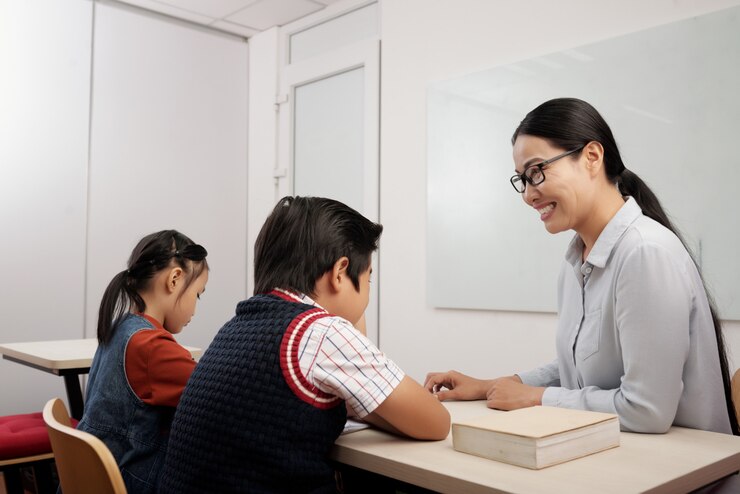
Raising a child is not simple work, and every parent hopes for one who listens and can manage themselves. It rarely arrives that way.
As a child grows they get harder to steer, and parents end up caught between giving in and holding firm. That stage has a name, and it's the tantrum years.
What the Tantrum Stage Actually Is

A child who rages and won't be steered is having a tantrum, and it's most common between around 18 months and four years old. It shows up as emotion a child can't yet understand or put into words, so it comes out as crying and anger instead.
There are two kinds. A manipulative tantrum is the crying that starts when a child doesn't get what they want, so the tantrum is a tool for getting it.
A frustration tantrum is different. That's a child who can't express what they need, when they're hungry, tired, sleepy, or have just failed at something, and the tantrum is how the feeling gets out.
So how do you handle one? Give in, or let it run its course?
How to Handle a Tantrum
1. Settle the Feeling First
A tantrum is emotion at its peak with no way to control it, which is why it comes out as hitting, slamming or throwing things. When that happens, settle the feeling first by telling your child that breaking things isn't okay.
Then give them somewhere for it to go. Crying or shouting is fine, as long as nothing gets damaged.
2. Help Them Find a Way Through
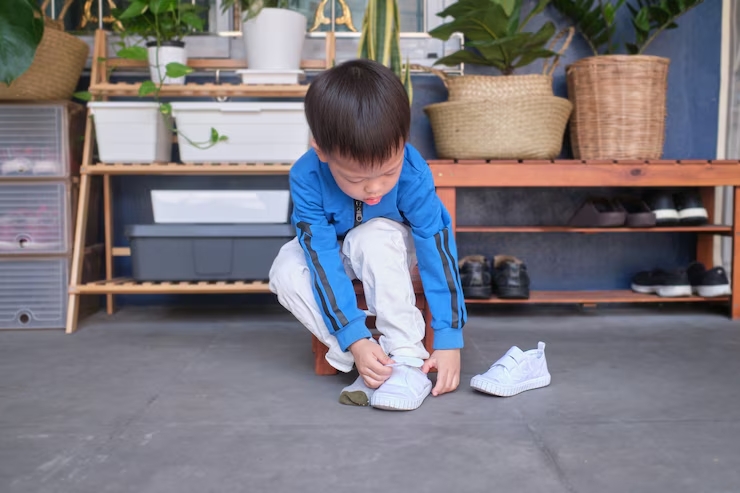
Tantrums often start with something small, struggling with a shoe, wanting to eat without being fed, or simply being sleepy. Being alert to the cause lets you offer a way through before the tantrum arrives.
If a shoe is the problem, show them how it goes on. If they want to feed themselves, let them work it out in their own way.
And if they're tired, get them down for a sleep before it tips over, even somewhere busy. Keeping the sleep pattern intact is what makes the rest of the day go well.
3. Let the Feeling Out
A tantrum is how a child discharges anger. Let them cry or shout as a release, as long as nothing they're doing is dangerous, and keep watching.
This is genuinely practice for later. A child who learns to let a feeling out safely becomes an adult who doesn't take it out on someone else.
That's the ground to cover on tantrums, and it's worth remembering every child is different. Starting early is what gives them the chance to grow up capable and willing to listen.
Read also:
Build Their Confidence by Teaching Them to Socialise Early
3 Common Parenting Mistakes Worth Avoiding
Raising a Child Who Listens and Copes

1. Listen to Every Story
The first thing is listening to whatever they want to tell you. A child's vocabulary grows daily and they start forming real sentences, and being listened to is how they know it counts.
Hear them out, including the rambling. A child who is listened to isn't afraid to tell you anything later on, which is worth more than it sounds.
2. Acknowledge What They Achieve
This one is simple and gets skipped constantly. Recognising what your child achieves builds their confidence, and with a parent behind them they start believing they can do things well.
Don't overdo the praise, though. Constructive criticism matters too, so they come to enjoy the process as effort rather than fixating on the result.
3. Set the Example Yourself
You'll have heard that a child is a mirror of their parents, and it's relevant here. A parent's job isn't only guiding and supervising, it's demonstrating.
You are the closest person to your child and the model they take their behaviour from, so what you do in front of them matters. Start with the small things, manners, keeping their room tidy, and whatever practice your family holds to.
In Short
Raising a child who listens and copes is not an easy job. Handling a tantrum well means settling the feeling, offering a practical way through, and letting the emotion out safely.
Alongside that, listening to their stories, acknowledging what they achieve, and setting the example are what build the habit. Every child is different, so the approach has to bend to the child rather than the other way round.
Follow these and you help a child grow into someone independent who can handle their own feelings. Attention and positive teaching, started early, do most of the work.
If you're looking for activities near home to fill their time, you'll find them on the Happy Kamper app. There are more articles on raising children there too.