

Setting Up a Play Space at Home
A play space is a small laboratory for a child's development, not just tidy storage. Four principles for building one, and five ideas for a small flat.
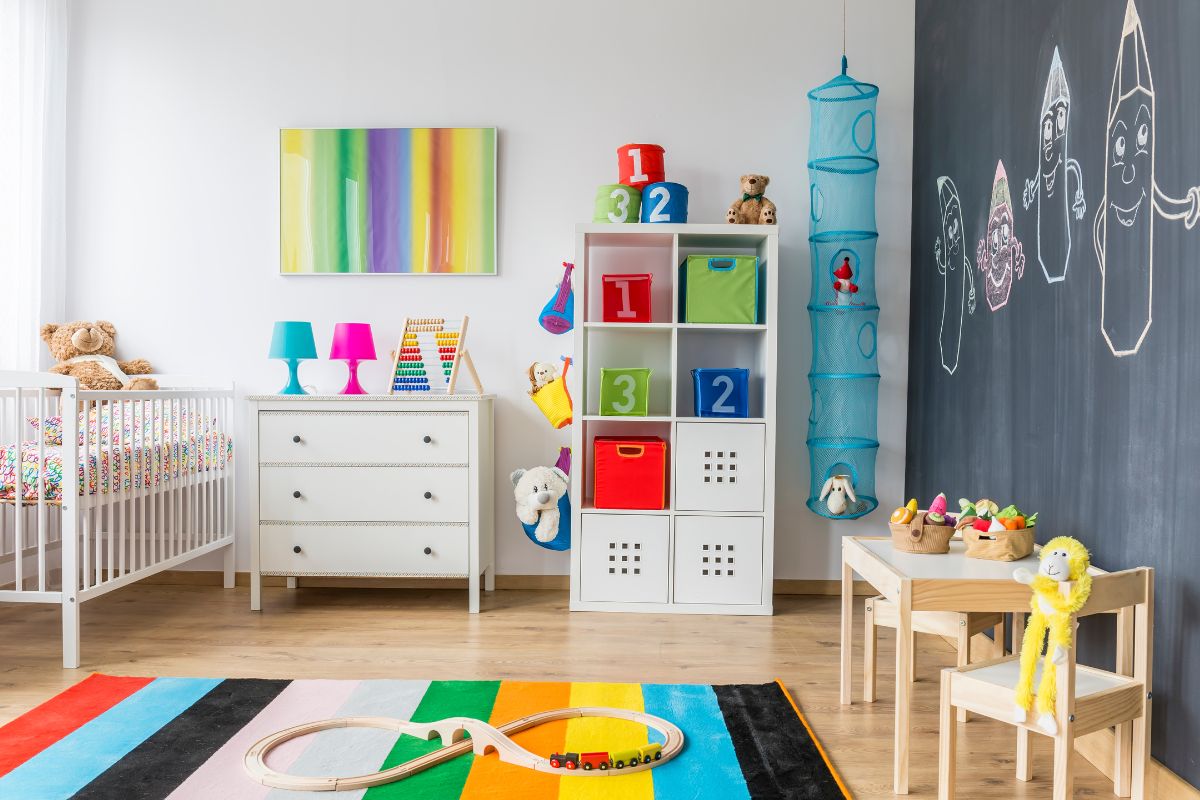
A small child at home means toys everywhere. Gathering all of it into a single play space does more than tidy the house, though, it gives a child somewhere to learn and grow.
A play zone isn't about how the room looks. It's about room for imagination, exploration and a degree of independence.
Children with access to a structured, stimulating play space tend to have better motor, social and cognitive skills. The Child-Friendly Play Space concept from KemenPPPA makes the same point, that an area should be safe, comfortable and challenging enough for a child to play and learn at once.
Why a Play Space Matters
A play zone isn't somewhere a child piles up toys and passes time. It's closer to a small laboratory for their development, where they build creativity, solve problems and learn to interact, sometimes only with their own imagination.
According to the American Academy of Pediatrics, play is essential to how a child's brain develops. Play and learning don't have to be separate things, and children who play actively and regularly tend to think more sharply, show more empathy and be physically healthier.
UNICEF has noted that children in large cities get less active play time, because space is limited and screen time is high. That makes a play space at home a sensible answer, particularly for anyone raising a child somewhere short of parks.
Four Principles for a Safe, Educational Play Zone
Before rearranging anything, these four principles are worth knowing. This is closer to an investment in a child than a decorating project.
1. Safety Comes First
Use furniture with rounded corners, choose materials that won't shatter, and make sure everything within reach can't fall on a child. The floor matters too, so use a rug or puzzle matting.
2. A Play Zone Is a Learning Zone
Everything you put in the area should have a purpose. Choose educational toys that work a child's cognitive development, building blocks, puzzles or anything involving pretend play.
3. Build in Independence
Montessori principles are a useful guide here. Put toys on low shelves and label them so a child can choose for themselves. That encourages them to make decisions and to tidy up afterwards, which serves everyone.
4. Air and Light
Make sure the space has decent air circulation and enough natural light. Good light is better for their eyes and leaves a child more comfortable and more focused. It matters more if you're aiming for the calmer, more natural Montessori look.
Five Ideas for a Small Home
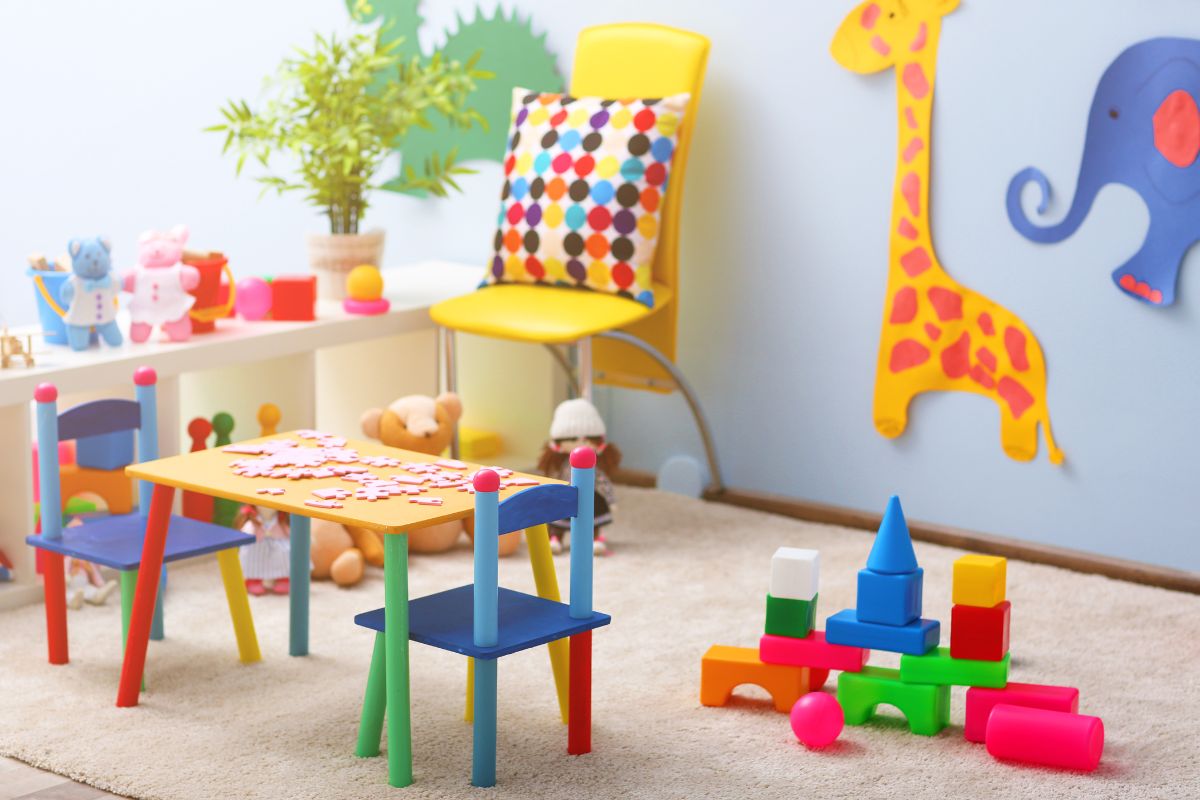
Space is usually the obstacle rather than willingness. A play zone doesn't have to be large, it has to be functional and enjoyable, and plenty of small homes manage a corner children love. Here are five practical ideas.
1. Use the Corners Nobody Uses
Look under the stairs, at the corner of the living room, or beside a wardrobe. With a bit of thought any of those becomes somewhere worth exploring. A metre square is genuinely enough to work with.
2. Multi-Purpose Furniture
A folding table, a bench with storage inside, or a hanging shelf all work well. Alongside saving space, they keep the toys somewhere. Choose something light but solid, so a child can move it themselves.
3. Make It Pop-Up
In a studio or an apartment, build a play area that opens and closes. A roll-up playmat or a portable toy box keeps the routine intact without taking a room permanently.
4. Go Vertical
Wall shelves or hanging pockets are ideal for toys. Beyond saving floor space, they introduce a child to a storage system, which is how they learn to take responsibility for tidying.
5. Make It Theirs
If your child loves dinosaurs, put that on a poster or in the toys. If they like drawing, put up a small chalk wall. It makes them feel the space belongs to them, and they spend far more time in it as a result.
Furniture and Toys Worth Choosing
Choosing furniture and toys is about function and safety as much as how it looks. The right choices are what make a play corner support a child's development rather than only contain it.
Multi-purpose furniture is the obvious recommendation for a limited space, a bench that stores toys or a folding table you can put away. Make sure it's made from child-safe material that won't shatter, and look for an ergonomic design so their posture holds up while they play.
For toys, focus on anything educational that pushes creativity, building blocks, puzzles, simple instruments and anything working fine or gross motor skills. Those build problem-solving, hand-eye coordination and imagination. Avoid anything with small parts that come loose, given the choking risk.
Add open shelving or boxes so a child can take out and put away their own toys. That builds independence and responsibility at the same time.
Where Happy Kamper Fits In
Happy Kamper is an app connecting parents with providers running children's activities, from playgrounds and art and craft to sport, music classes and coding. It covers a fair range of what a child might want to try.
It doesn't sell anything for a play space at home, but it's useful for finding somewhere to go when a child needs a change of scene. The search covers location, activity type and duration, so you can fit something around the family's schedule.
Each listing carries its price, location and reviews from other parents, which is usually enough to judge somewhere before booking. Have a look at what's on Happy Kamper and see what fits.