
10 Benefits of Learning to Code, for Children
Coding builds far more than technical skill. Here are ten things it does for a child, and what to look for when choosing a class.
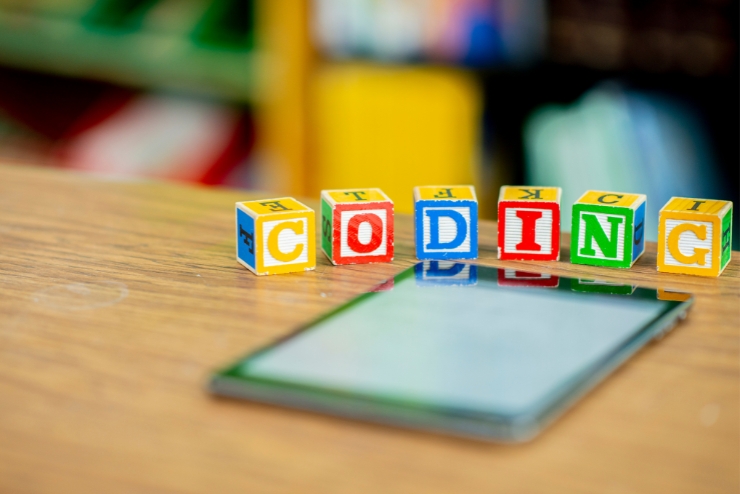
As technology moves on, coding has become one of the skills most reliably useful to a future career. Started early, it does a good deal for how a child develops.
Before the benefits, though, it helps to know what coding actually is. Understanding that makes it easier to judge whether it's worth your child's time.
What Is Coding?
According to Free Code Camp, coding is the process of writing instructions a computer then interprets. Those instructions are written in a programming language, which the computer reads and executes accordingly.
The code or script sent to the computer carries instructions and a purpose set by whoever wrote it, usually called a programmer. What comes out of that process is most of the technology we use daily.
Learn it early and the benefits stack up. They go well past knowing your way around a computer, because coding is really a collection of disciplines and activities rather than one skill. There are at least ten benefits worth knowing about.
10 Benefits of Coding for a Child
1. It Trains Logical Thinking
Teaching a child to think logically is not straightforward, and coding makes it considerably easier. It pushes a child to keep asking "why" before moving on to "how", so they get used to thinking about cause and effect.
Decomposition is a large part of why it works. Coding forces everything to be broken into small pieces, and once it is, a child sees how the pieces relate far more easily.
2. It Builds Structured Thinking
After breaking a problem into pieces, a child starts learning to think structurally. They see the pattern in whatever they're building and start working out what comes first and what comes last.
That carries into everything else. Approaching an ordinary task in an ordered way is a genuinely valuable habit to take into later learning.
3. Creativity and Problem-Solving
Coding early builds both creativity and problem-solving, and every child needs both. Thinking creatively and breaking down a problem stop being occasional and become routine.
A child learns to translate an idea into code a computer can act on. When something doesn't work, they go looking for the way round it, which is problem-solving in its plainest form.
4. Persistence and Resilience
Persistence and resilience both come out of coding. Persistence gets practised while a child is concentrating on turning an idea into something that runs.
Resilience builds as they stick with something that isn't working yet. Both matter for anything they go on to do.
5. It Makes Maths Easier
Maths and coding are inseparable, and coding tends to make maths easier and more enjoyable. A child ends up visualising basic principles like conditionals, sequencing, equations and decomposition.
That beats meeting them as intimidating numbers on a page. Maths stops being something to be wary of.
6. Algorithmic Thinking
Coding gets a child used to thinking algorithmically, which is really just thinking in a structured, systematic way. Like following a recipe, it takes persistence and the ability to follow instructions in order. That's a useful thing to have day to day, well beyond a screen.
7. Writing and Storytelling
At a certain point coding means writing code, and code is a language. Assembled, it reads rather like a story, with an opening, a sequence of events and a conclusion.
Only the language is different. The process and the flow are close enough to writing a story that a child practises both without noticing.
8. Core Soft Skills
There are soft skills every child needs whatever they do, communication, listening, focus and organisation among them. All four get practised directly while coding.
These are worth building early, so a child ends up capable across different settings. Coding turns the practice into a routine.
9. Attention Span and Focus
The sheer volume of information around makes it hard for a child to hold their attention on anything, especially on a screen. Coding tends to pull focus back onto a single activity.
It's genuinely difficult now to find a child who'll stay with one thing for long, whether that's a book, a sandcastle or a box of Lego. Coding is one of the few activities that rebuilds that stamina.
10. Digital Literacy
The last one is digital literacy. Being comfortable with technology has become close to essential for a child growing up now.
They're living through fast change, and the risk is being left behind by it. Understanding how the technology works is what prevents that.
How to Choose a Coding Class
Knowing the benefits, the next step is finding a class nearby so your child can start. Here's what to weigh up. Three things matter more than the rest.
A Curriculum That Suits and Engages
The curriculum comes first. Look closely at what's taught, what kind of class it is, and which ages it's aimed at.
Try to find one that's genuinely engaging as well as suitable. A child who enjoys the class learns considerably more from it.
Experienced Teachers
Experienced teachers make most of the difference to whether a child gets anywhere. Check that wherever you choose has teachers with real experience of teaching coding to children specifically.
The Equipment
What gets used during the class is worth considering too. Make sure the tools are current, so what your child practises isn't already out of date. With that settled, the next step is enrolling somewhere nearby that fits what your child needs.
Finding a Coding Class on Happy Kamper
Happy Kamper lists activities for children across the board, play, art, sport and education alike. Coding classes on it cover a range of ages and curricula, with providers including Koding Next Indonesia, Cyberspace Edutech Academy and CK Education. The app is on the App Store and Play Store, and each listing shows its price, location and reviews from other parents.
Finding one is the easy part. There are more articles like this one on the blog.