

7 Benefits of After-School Programmes for Children
After-school activities do more than fill an afternoon. Here are seven things they build, from social skills and confidence to leadership and teamwork.
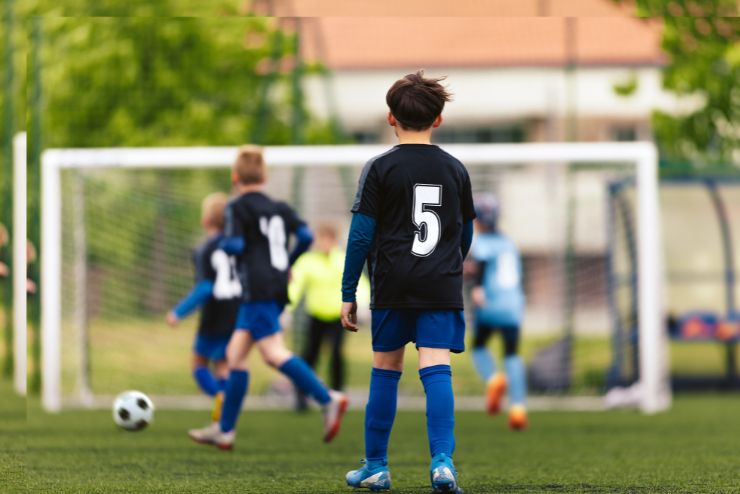
An after-school programme is any activity a student does outside school hours, from kindergarten through primary and secondary. There's a good deal to be gained from them, and choosing one is a sensible way to make better use of a child's day.
According to Understood.Org, after-school activity is a good setting for a child to build leadership and social skills. Taking part in interactive education, sport, art and craft, or simply something recreational supports physical, mental and social development at once.
Choosing one should involve your child, since their own interests and aptitude are the point of it. Here's what the benefits actually are.
7 Benefits of After-School Programmes
1. Social and Emotional Skills
The first benefit is social and emotional development. A child meets new friends, a new setting and new activities outside school, and all of it is new experience.
They get practice at handling unfamiliar situations, and at building empathy as they meet people. A positive relationship with a coach or a new friend brings real emotional and behavioural benefit.
2. Support for Schoolwork
After-school programmes support academic work, because a child can do homework and get help with it at the same time. Plenty of children find it easier in a less formal setting where they can ask a tutor whenever they're stuck.
Tutoring is the obvious example of something with a direct academic effect. It builds a child's confidence in their own ability, which carries back into how they approach school.
Coding and robotics classes have a similar effect. Mathematical proficiency gets constant practice, alongside creativity, problem-solving and critical thinking.
3. Somewhere Safe and Productive
Another benefit is a safe, productive place to be after school. For working parents that matters a great deal, since you know where your child is and what they're doing.
Productive is the other half of it. An activity a child actually enjoys can be genuinely useful, whether that's volunteering or a gardening class.
4. Exploring New Interests
After-school programmes are about variety and about fitting the child. A child gets room to follow a hobby or an interest, including one they've only just discovered, which balances out the more rigid demands of school.
It's also how a child finds a talent nobody had spotted. Something that has never had an outlet finally gets one.
5. Leadership
Children in after-school activities tend to be more active and better at leading. Working in a team teaches them to take a role and carry responsibility for it. That shows up at school too, in a greater willingness to take on leadership roles and get involved in school organisations.
Leadership also comes from having to make decisions and manage time. A child has to divide their afternoon deliberately around something they chose to do.
6. Confidence
Confidence is what lets a child grow into someone capable, and it needs building through childhood and the pre-teen years. It's what lets them face a range of situations without shrinking.
After-school programmes offer exactly that. Interacting with a group gives a child confidence and the sense of being accepted, where a child without it tends to feel left out and finds growth harder.
7. Working With Others
After-school activities give a child the experience of working with someone they may not particularly like. That's how children grow into problem-solvers, in circumstances that aren't entirely comfortable.
It's a test as much as anything. Having chosen the activity, they have to work with other people, deal with someone difficult, and manage a few unfamiliar situations.
At least the activity itself is one they wanted. That makes the rest of it bearable.
So those are the benefits. Together they make a child's time genuinely useful rather than merely full, and most aspects of how a child grows feel the effect.
Finding an After-School Programme
Searching manually online takes a long time, and the information rarely answers what you actually want to know, which classes run, where they are, what they cost. Happy Kamper is built for finding children's activities specifically. Alongside the information, it carries the providers themselves with their rates and the booking process.
Once you and your child have settled on something, the details are all in one place. That covers payment, enrolling in a class, joining a sports club and buying tickets for a play centre. Children get their interests catered for, and finding it takes one app rather than an afternoon.