

Why Music Matters for a Child's Development
Music is far more than background noise. Seven things it does for a child, and how to introduce it well.
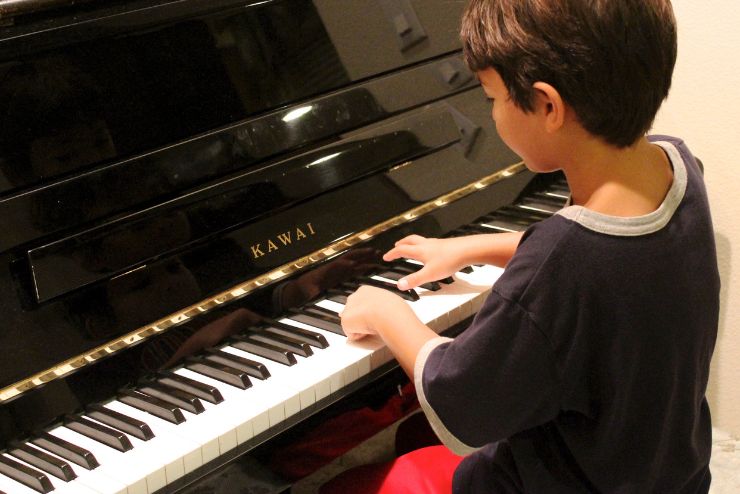
Think back to the first time your child moved to a favourite song, or clapped along to something cheerful. Music isn't only entertainment, and what it does for a child matters a great deal to how they develop. From sharpening their thinking to building social skills, its role runs deeper than most people assume.
Research suggests children exposed to music regularly from an early age develop cognitively better than those who aren't. So if music has only ever been background noise in your house, it's worth treating it as a genuine tool for helping your child grow.
Seven Ways Music Helps
1. It Sharpens Their Thinking
Music helps build neural pathways in a child's brain, particularly around thinking and memory. Studies suggest children who learn an instrument or listen to educational songs tend to do better at maths and problem-solving. That's because music trains the brain to recognise a pattern and think analytically.
The effect shows in language too. Children used to rhyming songs pick up the structure of language faster and read better for it. So there's every reason to sing with your child often.
2. It Builds Social and Emotional Skills
Children singing together and laughing are learning to cooperate, share and read someone else's feelings. Songs make it easier for a child to recognise how an emotion is expressed and build empathy for the people around them.
Music and emotion are closely tied. Music gives a child a way to manage what they feel, whether that's happiness, sadness or anger. Something calm helps them relax, while something cheerful lifts them.
3. It Builds Creativity and Imagination
A child making up their own song or dancing to something is showing creativity developing. Music stimulates their imagination and gives them room to express themselves. They can build a story from a lyric, dance to a rhythm, or make a simple melody on a toy instrument.
That creativity has a real effect later on academic work and problem-solving. Letting a child explore music helps them become more inventive and more open-minded.
4. It Supports Motor Development
A child clapping or stamping along to music isn't only enjoying themselves. Music builds gross and fine motor skills alike. Dancing or playing an instrument trains their hand-eye coordination as they go.
Music is often recommended in motor therapy for children with a developmental delay. Beating a drum, shaking maracas or pressing piano keys strengthens the small muscles in an enjoyable way.
5. It Builds Concentration and Discipline
Learning an instrument or following a rhythm takes focus and persistence. Music teaches a child to listen closely, understand tempo and follow an instruction. Their concentration improves steadily as a result.
A child learning piano has to remember finger positions, read notation and keep time all at once. That trains the brain to work systematically and sharpens their memory. So if you want your child more focused, music in their daily routine is worth trying.
6. It Reduces Stress and Lifts Mood
For an unsettled child or one struggling to sleep, music can genuinely help. Research suggests gentle music lowers stress in children and leaves them calmer.
Cheerful music also lifts a child's mood and gets them into the day. That's why plenty of kindergartens build interactive songs into their teaching, since it keeps children motivated and enjoying what they're doing.
7. It Brings You Closer
Singing with your child becomes a moment that strengthens the emotional bond between you. You don't need a good voice, only the time together and the interaction.
Singing, dancing or playing music together regularly leaves a child feeling emotionally closer to you. A lullaby before bed builds a sense of safety and comfort that's hard to replicate. So music is considerably more than entertainment, and it's a remarkable tool for supporting how a child develops.
The next question is how to introduce it early and choose the right kind. Here's how that works.
How to Introduce Music Early
1. Build It Into the Daily Routine
The easiest way in is making music part of your child's ordinary day. Play something at bath time, at meals or before bed, so they get used to a range of rhythms and melodies. Played regularly, it enriches what they take in through their senses.
Start with simple songs built on a repeating lyric that's easy to remember. That way a child picks up rhythm and vocabulary faster.
2. Bring Movement Into It
Music isn't only about listening, and it works well combined with movement. Get your child dancing, clapping or playing something simple like maracas or a tambourine.
That's enjoyable and it trains their motor coordination. Children who move actively to music tend to develop motor skills better, so dancing along while introducing a new rhythm is time well spent.
3. Introduce a Range of Instruments
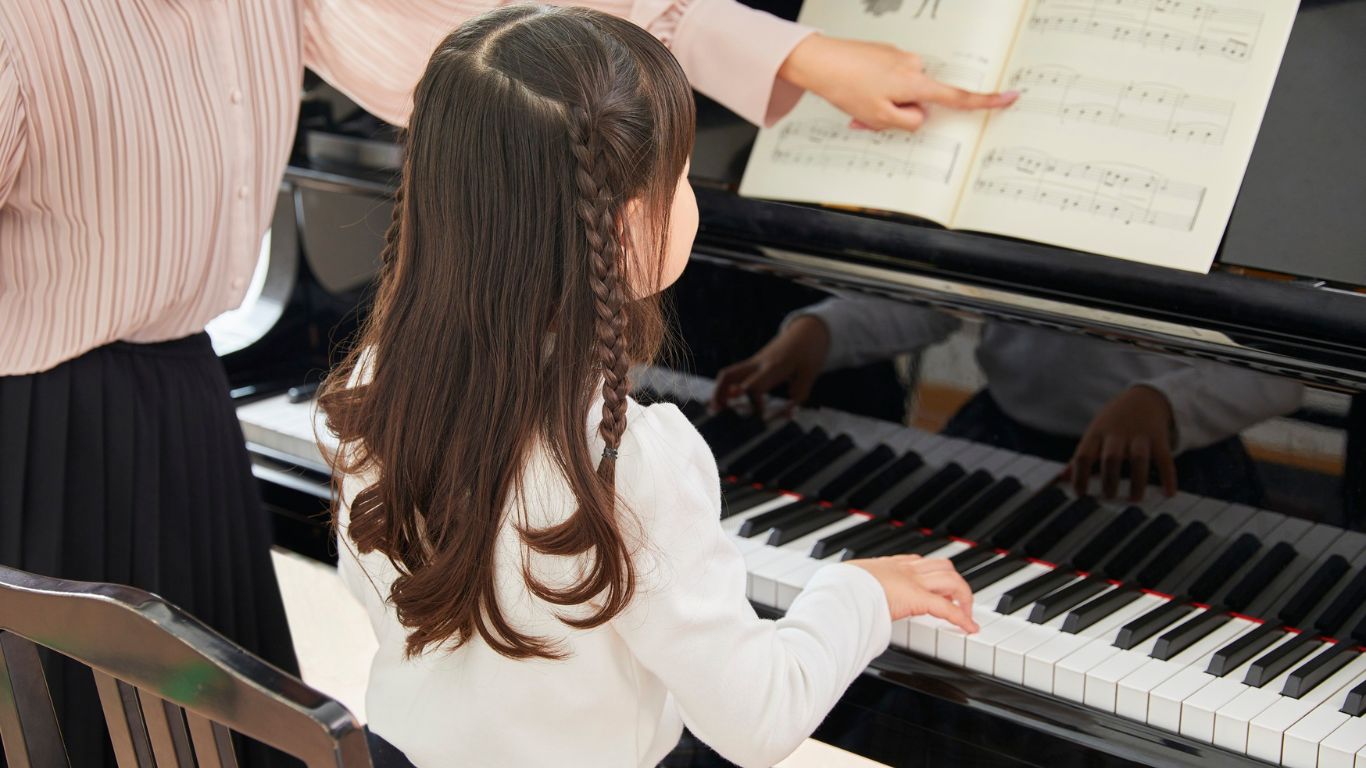
Access to simple instruments builds a child's interest early. It needn't be a piano or a guitar, since a small drum, a xylophone or a harmonica works fine. Exploring these teaches them to recognise different sounds and builds their creativity.
Playing music early also sharpens their listening and their ability to put a pattern of sound together.
4. Join a Class or a Music Group
If your child shows a deeper interest, a music class or a group is worth considering. A class builds playing ability while teaching discipline, teamwork and confidence. It's also an enjoyable way to explore, since a child learns directly from an instructor and meets others their own age with the same interest.
Choosing the Right Music
1. Match the Song to Their Age
Every stage suits a different kind of music. For babies and toddlers, choose something gentle with a simple lyric, while an older child can meet classical music or songs carrying a positive message. Avoid anything with a lyric that's too complex or carries a negative meaning.
Educational songs covering numbers, colours and shapes work particularly well, since they teach something while staying enjoyable.
2. Watch the Tempo
Music that's too fast or too loud makes it hard for a child to focus and can leave them agitated. Something with an enjoyable rhythm and no aggression to it sits far better.
Classical and instrumental music are often recommended for concentration, while something cheerful suits playtime. Match the music to the activity and a child stays with it.
3. Use Music to Teach
Music works well as a teaching tool. Choose songs that entertain and teach at once, whether that's the alphabet, numbers or a foreign language. Research suggests children learning through music absorb information more easily than through conventional methods.
Children's songs also build memory and help a child speak more fluently. A tune carries a phrase further than repetition does.
In Short
Music isn't only entertainment, and what it does for a child covers their thinking, their emotions and their social development. Introduced early, it helps a child express themselves, build creativity, and train their motor skills and thinking alike.
Beyond music, there's plenty else worth trying to develop whatever your child is drawn to. Happy Kamper lists classes and activities that support how they grow.