

How to Build a Child's Reading and Writing Literacy
Literacy is how a child thinks, understands and empathises. Nine practical ways to build it at home.

Indonesia's literacy figures still make uncomfortable reading. The 2016 World's Most Literate Nations study placed Indonesia 60th out of 61 countries for reading interest. The irony is that children are surrounded by devices and technology that ought to be a bridge to information.
Reading and writing aren't only there for school exams, they're part of ordinary daily life. Literacy is what lets a child think, understand and empathise. As Paulo Freire put it, "Reading the world always precedes reading the word", meaning understanding the world comes before reading about it.
What Literacy Does for a Child
1. Critical Thinking
A child who reads regularly starts asking questions, why a character is angry, what happens next. That's where critical thinking begins. Literacy makes a child process information actively rather than swallowing it whole, which matters a great deal in an era this saturated with it.
2. Confidence
A child who can put their thinking into writing, or read a story fluently, usually carries more confidence with them. They feel able to communicate and express themselves. That tends to stay with them into adolescence and adulthood.
3. Social and Emotional Skills
Story books help a child recognise emotion, whether that's sadness, anger, fear or happiness. Understanding those feelings through a character is how they learn empathy. Writing also gives a child somewhere to put a feeling they can't yet say out loud.
4. Imagination and Creativity
Every time a child opens a new book they're exploring somewhere different, which is what stretches their imagination. Literacy works as fuel for creativity, since a child learns to invent a story, draw a character, even make their own comic at home.
5. A Foundation for School
Literacy is the key to every subject. A child who reads fluently finds it easier to understand a maths problem, a science question or anything else. The same goes for writing, which is needed for most schoolwork.
6. Independent Learning
A child with strong reading ability tends to be more independent. They can find information themselves, follow instructions and finish a task without always relying on a parent or a teacher. That independence makes learning considerably more enjoyable.
Nine Ways to Build It
1. Set a Regular Reading Time
Reading is exercise for the brain, and done regularly the results show. Set aside 15 to 30 minutes a day to read with your child, and it needn't be anything heavy, since a children's story or an educational comic works fine.
Consistency matters more than how long each session runs. It also turns into time together that makes reading feel comfortable and close rather than a chore.
2. Bring Them Into Everyday Writing
Children like being given a role, particularly one that makes them feel important. Get them writing the shopping list, sticking up a reminder note, or leaving a short message for someone in the family.
Small as it looks, that gets them writing without any pressure attached. Alongside working their fine motor control, they learn to put words together, which builds the foundation from something close to daily life.
3. Let Them Choose Their Own Books
A child given the power to choose is usually far keener to read. Take them to a bookshop or a library and let them explore and pick what they want, whether that's dinosaurs, heroes or comics, as long as it suits their age.
That's what builds a positive relationship with reading. Once the interest is there, the skill follows naturally rather than by force.
4. Read Aloud With Expression
A child's face lights up during a good story, and the secret isn't only the story itself but how it's read. Use a different voice for each character, pause for effect, and let your face do some of the work.
That makes the story livelier and holds their attention. Alongside comprehension, it helps a child understand the emotion behind the words, which is a route into literacy in its own right.
5. Try a Creative Writing Project
Make your child feel like a writer. Get them writing a short story, a letter to a favourite character, or a small book of their own, and don't worry about it being perfect.
A project like that gets them thinking, arranging sentences and conveying an idea. Creativity and writing skill grow together, and it builds the nerve to put a story down on paper.
6. Use Educational Apps and Digital Media
There's no shortage of media now that helps a child learn to read and write. Choose something interactive and age-appropriate, whether that's a spelling game or a story read aloud, and stay alongside them while they use it.
Digital media works well as a supplement when it's used sensibly. Children usually absorb things quickly through sound and pictures, so it's worth taking advantage of.
7. Talk About It Afterwards
Don't stop the moment the book closes. Ask them something, whether the character was in the right, or which part they liked most.
A conversation like that deepens their understanding, widens their vocabulary and gets them used to giving an opinion. It's an easily forgotten part of building literacy early, and it tells you how your child actually reads a story.
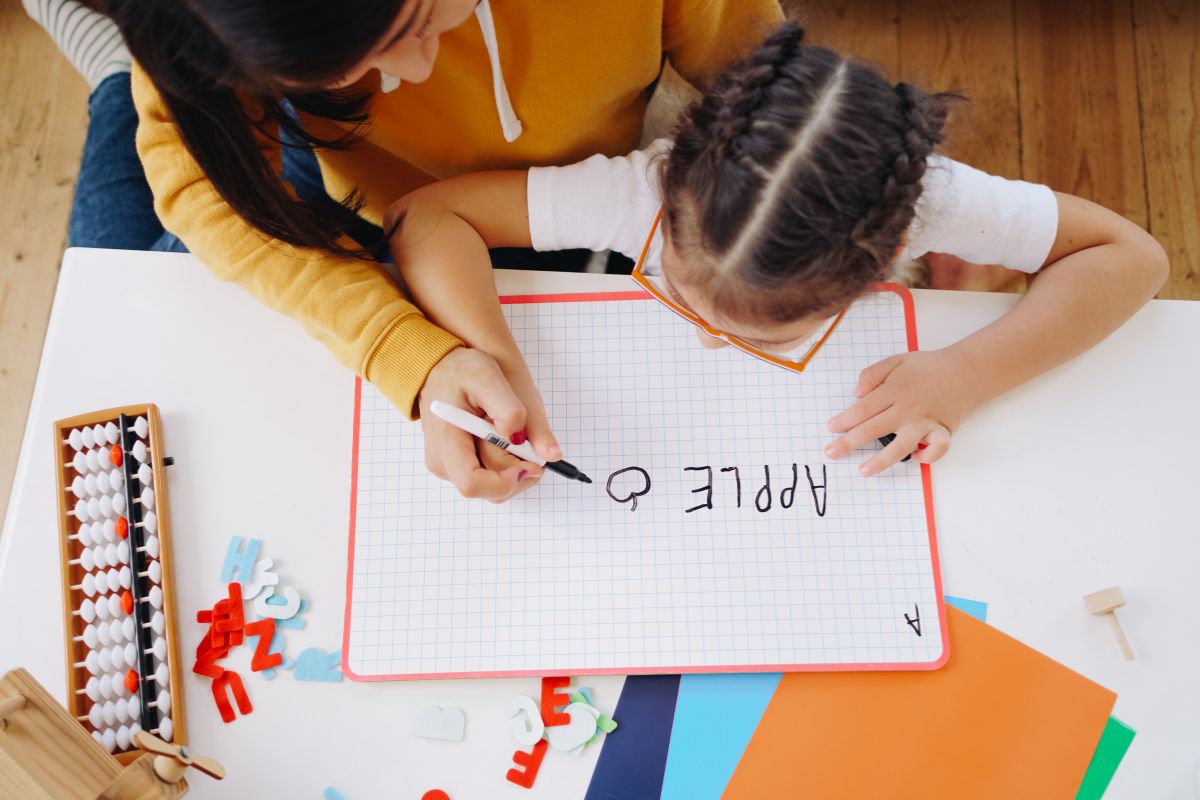
8. Label Things Around the House
Make the house literacy-friendly with something simple, like labelling objects around it, the table, the cupboard, the fridge, the door. Labels help a child recognise letter shapes and connect them to a real object.
Over time they get familiar enough to read those words easily. It also strengthens the link between a word and its meaning, which suits children who learn visually or through movement.
9. Read Yourself
Children copy what they see. If they watch their parents reading, whether that's a book, a magazine or something online, they'll treat reading as normal and enjoyable.
Talk about what you're reading occasionally so they get curious about it. That teaches, indirectly, that reading has a place in daily life rather than being an obligation.
Books and Activities Worth Trying at Home
To keep the enthusiasm up, it's worth setting things up so reading stays enjoyable. Start with books matched to their age and interest, and for younger children something like "Aku Suka Membaca" from Erlangga or "Cican Belajar Membaca" works well. Illustrated books built around everyday situations help a child recognise a word while understanding the context it sits in.
Beyond that, bring them into literacy activities at home. Getting a child to keep a diary they fill in each evening works well, even if it's only a drawing and a word or two.
Activities like that build vocabulary, stimulate creativity and leave a child feeling their work is valued. The more often reading and writing show up attached to something enjoyable, the more confident they become about continuing.
A Process, Not a Quick Fix
Building a child's reading and writing isn't something you finish in a week, it's a process built on affection and consistency. From reading aloud to setting the example yourself, every small step counts for a great deal.
So it's worth starting at home. If you want more ways to support your child's learning, there are reading and writing classes listed on Happy Kamper, plenty of them interactive and creative.