
Protecting Your Child's Mental Health Through Positive Parenting
A child's mental health is easy to overlook and hard to rebuild. Here's what influences it, and how a positive parenting style supports it day to day.
A child's mental health matters enormously and gets overlooked more often than it should. Modern life puts real pressure on children, and they need solid support from a parent to stay emotionally and psychologically steady.
Positive parenting is about more than love and attention. It's about building an environment where healthy mental development is possible in the first place. This article looks at why a child's mental health matters, and how a positive parenting style works in everyday life.
Why a Child's Mental Health Matters
A child's mental health covers their emotional, psychological and social state, which together let them think clearly, manage their feelings, build healthy relationships and face a challenge. Children in good mental health tend to do better academically and have more positive friendships.
The reverse is also true. Mental health problems in childhood can bring anxiety, low mood and behavioural difficulties that carry into later life.
What Influences a Child's Mental Health

Several things shape a child's mental health. These are the main ones.
1. Life at Home
A warm, affectionate relationship between parent and child is among the most important factors there is. Children who feel loved and supported carry more confidence and handle stress better.
2. School and Friends
School isn't only where academic learning happens, it's where social skills develop. A child with close friends and a supportive teacher is a happier one, and that feeds straight into their mental health.
3. Media and Technology
Exposure to social media and technology cuts both ways. Unsuitable content or negative interactions do real damage, while sensible use supports learning and development.
Read also:
Build Their Confidence by Teaching Them to Socialise Early
Looking for Childcare You Can Trust? Start Here
Building a Positive Parenting Style
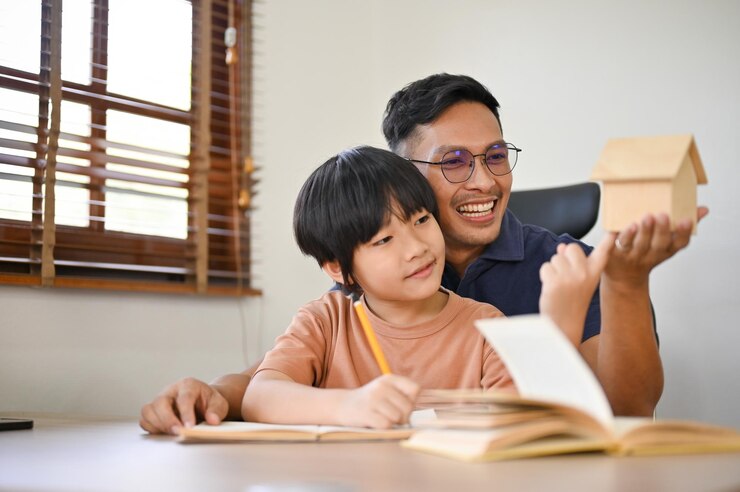
Positive parenting leans on affection, open communication and discipline that teaches rather than punishes. It isn't only about avoiding physical punishment.
It's about giving a child the tools and the backing they need to develop emotionally. Here are the strategies that make the most difference.
1. Build a Strong Relationship
Time spent talking, listening and playing together is what a strong relationship is made of. There's no substitute for the hours, and children notice when they're given.
2. Keep Communication Open
Teach your child to say how they feel openly and honestly. It helps them understand and manage their own emotions, and to respect what other people are feeling.
3. Discipline That Teaches
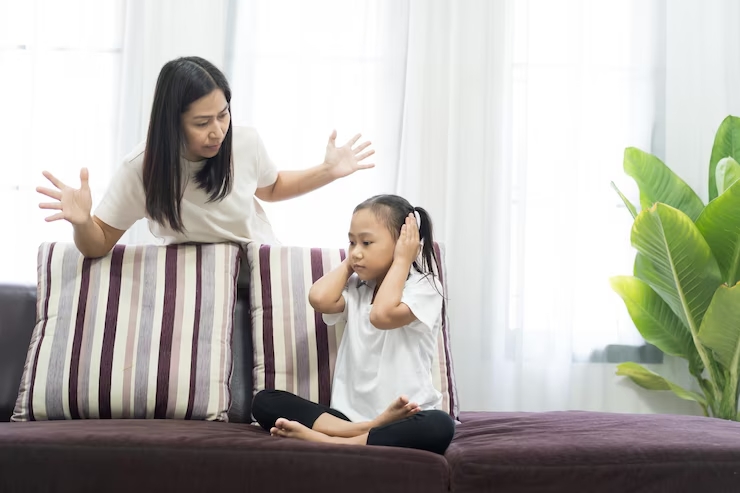
Plenty of parents still reach for physical punishment or shouting when a child gets something wrong. It affects a child's mental health, and mostly it teaches shame and fear.
Try something that actually teaches instead, like a logical consequence or a moment to think it over. A child can learn from a mistake without being frightened of you.
4. Give Emotional Support
Show your child that you're there, consistently rather than occasionally. That steadiness is what makes them feel safe and valued.
5. Set the Example
Children learn a great deal from their parents, who are the first school they ever attend. Not shouting when your child makes a mistake is itself a lesson in managing emotion, and they pick it up.
When Parenting Gets Hard
Every parent runs into difficulty raising a child. Stress and the pressure of daily life make a positive approach harder to hold on to. Here are three things that help when it's a struggle.
1. Ask for Support
Don't hesitate to lean on family, friends or a professional when you're overwhelmed. Talking to someone else brings a new perspective and often practical help.
2. Rest
Take time for yourself, properly. Enough rest and looking after your own health is what keeps you steady enough to parent well.
3. Read and Learn
Parenting classes and books on positive parenting are both worth the time. They give you new strategies for the situations you find hardest.
How Happy Kamper Fits In
Happy Kamper is a platform built to help parents find activities that support how a child grows. Here's what you'll find on it.
- Articles: a growing library on child development and positive parenting, covering how to handle stress in children, communication that works, and building a child's confidence.
- Interactive and educational activities: a range of activities you can book for your child, chosen to help them build social and emotional skills.
- Reviews from other parents: ratings and written reviews on each listing, so you can see what other families made of it before you book.
In Short
Looking after a child's mental health and parenting positively is an investment in the person they become. Pay attention to what shapes their mental health and apply these strategies, and you help them grow into someone strong, happy and emotionally healthy.
You'll find activities that support that on the Happy Kamper platform. Starting early is what makes a child resilient enough for whatever comes later.