
How to Choose a Coding Class for Your Child
Coding builds problem-solving, creativity and confidence. Here's how to pick a class that suits your child.
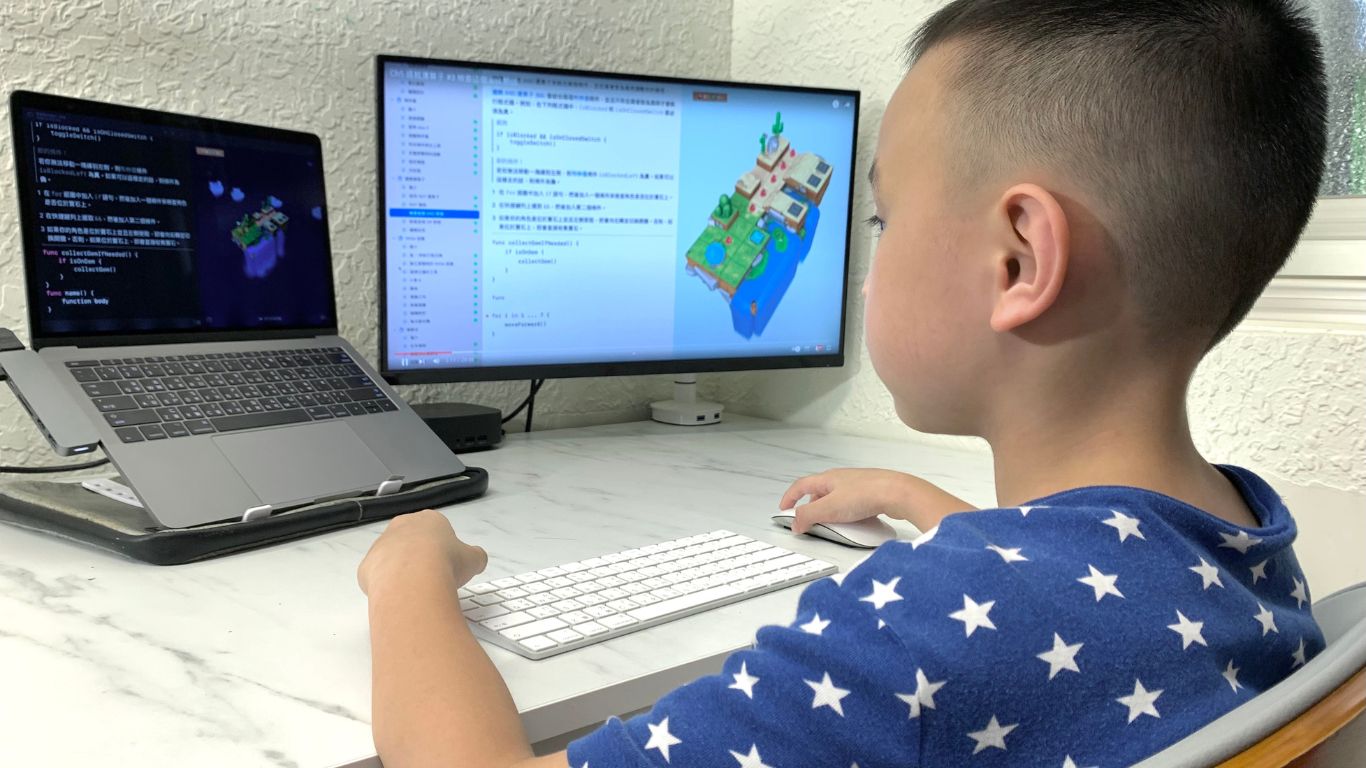
In an increasingly digital era, coding classes for children are in growing demand among parents. There's good reason for it, since coding is no longer an optional extra but something close to a necessity. In plenty of countries it's already part of the compulsory school curriculum.
Indonesia still has ground to make up on digital literacy. A Microsoft study placed Indonesia 12th out of 14 countries across Asia Pacific on digital literacy, which suggests plenty of children haven't yet had proper exposure to technology for learning or developing themselves.
In response, the Indonesian government launched a national digital literacy programme under the banner "Indonesia Makin Cakap Digital". It aims to build public awareness and knowledge around new technology, and to raise the general standard of digital skill.
That's part of a wider commitment to digital literacy, so introducing coding early is a sensible way to get children ready for a digital world. There's no shortage of classes now, offline and online alike. Before choosing one, here's why coding is worth a child's time.
What Coding Does for a Child
1. It Makes Them Better at Solving Problems
Coding teaches a child to think systematically and find a solution to a problem. Building a simple game, they learn how to make a character jump or run on command. When there's a bug, they have to find where the mistake is and fix it. That trial and error develops a more logical, critical way of thinking, and they grow up more used to approaching a challenge with a solution in mind.
2. It Builds Creativity
Plenty of people assume coding is only numbers and logic, when it also trains creativity. A child can build all sorts of projects, whether that's an animation, a website or a simple app, developing an idea and turning it into something real. A child who likes drawing can create their own character and bring it to life in a game or an interactive animation. With coding they can experiment and push their imagination considerably further.
3. It Quietly Improves Their Maths
Coding isn't only for children already strong at maths. Learning to code helps a child understand mathematical concepts without feeling they're studying. In coding they meet patterns, number sequences and basic logic like if-else statements and loops. All of that helps them understand maths in a more applied, enjoyable way, and they get used to thinking analytically without noticing.
4. It Builds Confidence and Communication
Coding isn't only typing lines on a screen, it's about structuring an idea and conveying it clearly. Learning to code, children often work in a team or have to explain the logic behind their program to a friend or a mentor. That trains their communication and their confidence. A child used to explaining their own ideas is more confident offering an opinion anywhere, at school or elsewhere.
5. It Prepares Them for the Work That's Coming
The world depends on technology more every year, and plenty of future work will need a basic understanding of coding. Even if your child never becomes a programmer, coding skill stays useful across business, design and science. Learning early gives them a genuine advantage as adults.
So the benefits are real. The next question is how to choose a class that actually suits your child.
Five Criteria for Choosing a Class
Choosing a coding class isn't something to do at random. A few things matter if a child is going to learn comfortably and genuinely understand the concepts. Here's what to weigh up before enrolling.
1. A Curriculum Matched to Their Age and Level
Children don't all understand technology to the same degree, so choosing a class with the right curriculum matters. Children aged 5 to 7 generally suit beginner coding using a block-based visual language like Scratch or Blockly. Older children, roughly 8 to 12, can start on Python or another language. Make sure the class builds up gradually so a child isn't overwhelmed.
2. Interactive, Enjoyable Teaching
Children lose interest quickly if they only get theory without doing anything. Choose a class built around projects or gamified learning, where a child can build a game or a simple app straight away. That keeps them enthusiastic while sharpening their creativity and problem-solving. An interactive online coding class is worth considering if you want flexibility.
3. The Teacher's Background
A good teacher doesn't only understand coding, they know how to deliver it so children follow. Check their background, whether they have experience teaching children or certification in technology and education. A platform offering solid coding courses will usually show teacher profiles openly.
4. Flexibility of Time and Format
Every child has a different schedule and a different preference. Some prefer learning in person, others are comfortable in an online class. Look for something with schedule flexibility, whether that's weekends or after school, so coding doesn't crowd out the other things that matter, like playing and resting.
5. Cost Against What's Included
Coding class fees vary widely with teaching quality, facilities and course length. Compare a few options and check whether the price matches what you actually get. Some platforms offer a free trial class before you commit, which is a sensible way to check the method suits your child.
Coding Providers Worth Considering
Happy Kamper is a platform listing activities for children, coding classes among them. Through the app you can find and enrol in courses matched to your child's interests and needs. Options run from basic programming through to game development, designed for a range of ages.
To find and enrol, download the app, create an account and browse the course catalogue. Once you've found something suitable, you can register through the app directly.
Here are some coding providers worth considering through Happy Kamper. Check current programmes, ages and fees with each one directly.
1. Mars Coding
Mars Coding has offered game and app development courses designed for children. The programme focuses on introducing basic programming concepts through creative projects, so children learn while playing. The interactive approach helps a child develop logic and problem-solving early.
2. Kodecoon Academy Indonesia
Based in Jakarta, Kodecoon Academy Indonesia has offered interactive coding programmes for children. Classes have covered mobile and web app development along with an introduction to artificial intelligence. The curriculum is built for children, developing creativity and technical ability together.
3. Wekode Coding For Kids
Wekode, based in Semarang, has offered coding classes designed for children. Its programme has covered simple game development and an introduction to programming logic using a visual platform. The approach is built to make basic coding concepts easy to grasp.
4. Kodiokids
Kodiokids has run two main programmes, Kodio Rookie for ages 6 to 11 and Kodio Elite for 11 to 18. Rookie introduces coding through Scratch, Thunkable and Roblox Studio, while Elite has covered website design and development along with app building.
5. Anakode
Anakode has offered three levels, Beginner, Advance and Next Level. Beginner teaches the fundamentals, Advance deepens that through more complex projects, and Next Level is built for students wanting to take their coding towards a professional standard.
6. Koding Next Indonesia
Koding Next has run Little Koders for ages 4 to 8 and Junior Koders for 8 to 16. Little Koders introduces technology through activities children enjoy, while Junior Koders focuses on deeper coding skill, including building games and apps.
7. Edduby
Edduby has offered coding courses for children and adults, online and in person. Its programmes have covered game development, mobile apps, web development and machine learning. The flexible approach lets students learn according to their own interests.
8. Kodingbean
Kodingbean has offered interactive coding classes for children. Its programme has covered an introduction to programming logic, simple game development and other creative projects built to develop technical skill and creativity.
9. CK Education
CK Education has offered creative education programmes for children, coding among them. Its courses combine art and technology, so a child learns to code while developing creatively through project work.
10. Kodekiddo
Kodekiddo has offered coding classes across a range of ability levels. Its programmes have covered an introduction to coding through games, game development and other technology projects, built to keep coding enjoyable and challenging.
For more activity ideas beyond coding, the Happy Kamper app lists plenty worth exploring. It's worth a look when you're planning your child's week.