

5 Educational Toys and What They Teach
Five educational toys that build motor control, logic and imagination, and the age each one suits.
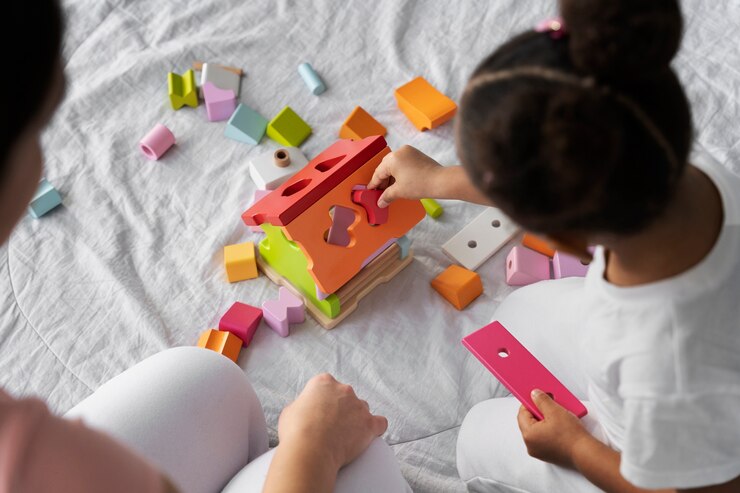
Educational toys play a significant part in supporting how a child develops. Playing with something designed for the purpose, a child is entertained while expressing their curiosity through shape and colour. One of the main benefits is how well they stimulate creativity, since play that demands imagination lets a child find solutions and develop creatively.
Alongside creativity, educational toys matter for motor development. Building blocks, puzzles, modelling clay, slime and story books all get a child using their fingers for detailed work, whether that's assembling something or arranging a pattern, which develops their fine motor control.
Happy Kamper has put together five toys that are enjoyable and genuinely stimulate a child's creativity. Here's what each one does.
What Sensory and Motor Toys Do
Sensory and motor toys carry a range of benefits for how a child develops. They can be introduced from birth, since that's when brain development is fastest. The first five years are the critical window, where a child develops noticeably day by day.
So educational toys that work the senses and motor skills matter a great deal. They support a child's thinking along with how they communicate and socialise.
As a child moves through those years their motor development accelerates. They become more active, more agile and considerably more curious about trying something new. A sensory toy gives their senses stimulation, covering sight, hearing, smell and touch.
Sensory and motor toys also train spatial awareness, the ability to picture a shape or object including its position, its relationship to other things and how it moves. That helps a child represent what they're imagining through the toy in front of them. Here are educational toys that work a child's senses and motor skills during those early years.
Five Educational Toys Worth Owning
Educational toys are an effective way to sharpen a child's sensory and motor skills. Playing with them, a child develops focus, logical thinking and imagination. They also support cognitive, social and emotional development in a way that's enjoyable and interactive. Here are five that work.
1. Building Blocks
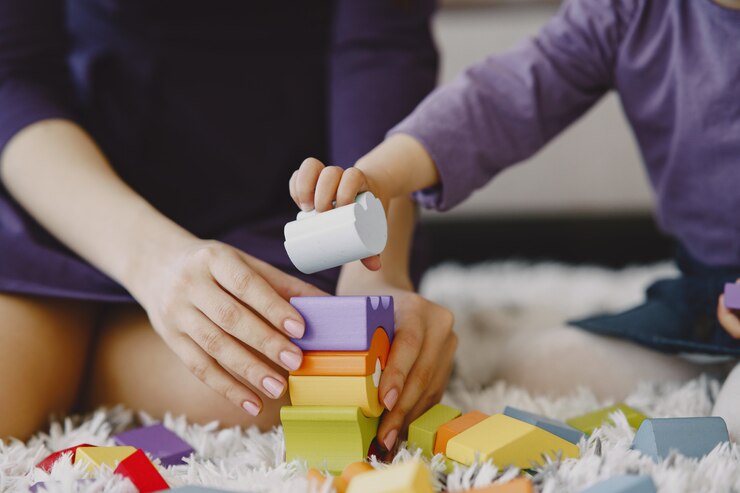
Building blocks are among the more useful educational toys. Playing with them, a child channels their imagination into whatever shape or structure they want to build.
They suit children from around two upwards, since that's when a child starts grasping space and balance and improving hand-eye coordination. Alongside fine motor control, the activity sharpens creativity and logical thinking.
Playing with blocks helps a child understand space and balance. It also pushes them to focus on the goal they're working towards, so they develop a structured, persistent way of thinking.
2. Puzzles
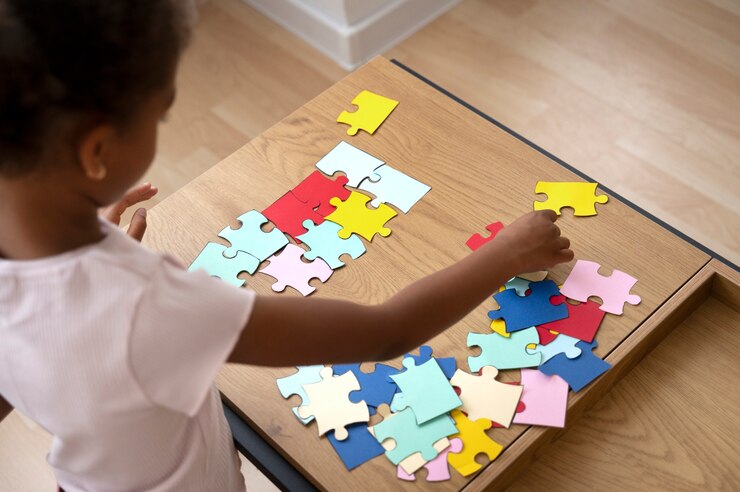
A puzzle is another excellent educational toy. Puzzles at various difficulty levels help a child recognise shape, colour and pattern. Completing one demands patience and concentration, which builds problem-solving and persistence.
Puzzles also matter for cognitive development and memory. They suit children from around two to eight, with the complexity adjusted to age.
For a child of two or three, a simple puzzle of four pieces is enough. As they get older their logical thinking improves and they can handle something more complex. By seven or eight most children manage eight pieces or more, which pushes them to think more creatively and systematically.
Children find puzzles satisfying because the curiosity keeps them working at it patiently. Completing one takes time, which trains patience and teaches them, without saying so, that a good result takes time and effort rather than arriving instantly.
3. Modelling Clay
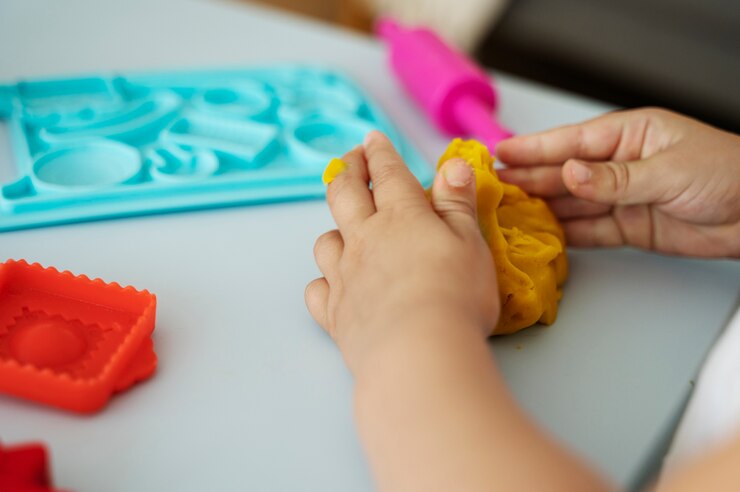
Modelling clay, or dough play, is popular with children of every age. Because it's easy to shape, a child can build all sorts of things, from animals to food to buildings. Alongside the entertainment it stimulates their fine motor control, and a child can imagine freely and build whatever they want.
Clay also trains creativity and hand-eye coordination while making the learning enjoyable and interactive. It suits children from around four or five, developing their creativity, introducing colour and stretching their imagination as they make things.
So modelling clay is a strong choice for developing a child's fine motor control while leaving them room to enjoy themselves and express something.
4. Making Slime
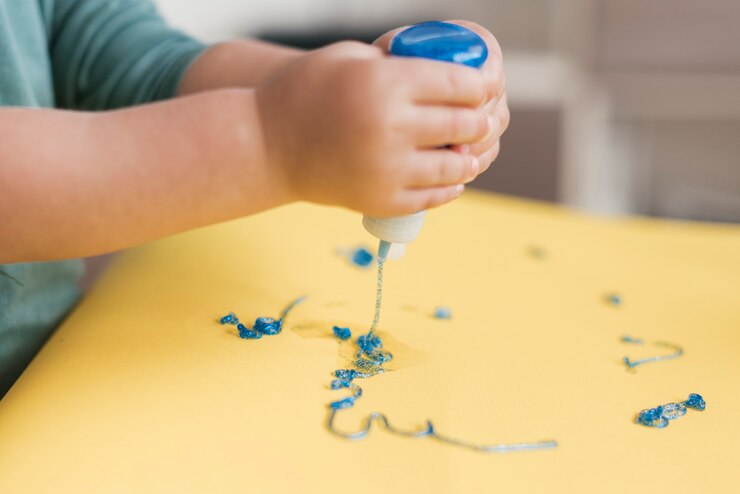
Plenty of new games keep appearing to develop children's skills. Slime is among the more popular, made from glue and an activator to produce a texture that isn't sticky. A child can create whatever model and colour they like with it, which makes it a reasonable answer to boredom.
Making slime from scratch does need close supervision because of the chemicals involved. Stay actively involved to keep it safe and help your child through the process so it stays enjoyable and educational. Like clay, slime suits children from around four or five. Alongside the entertainment, it trains fine motor control, since shaping the texture demands precise hand-eye coordination and detailed finger movement.
5. Interactive Story Books
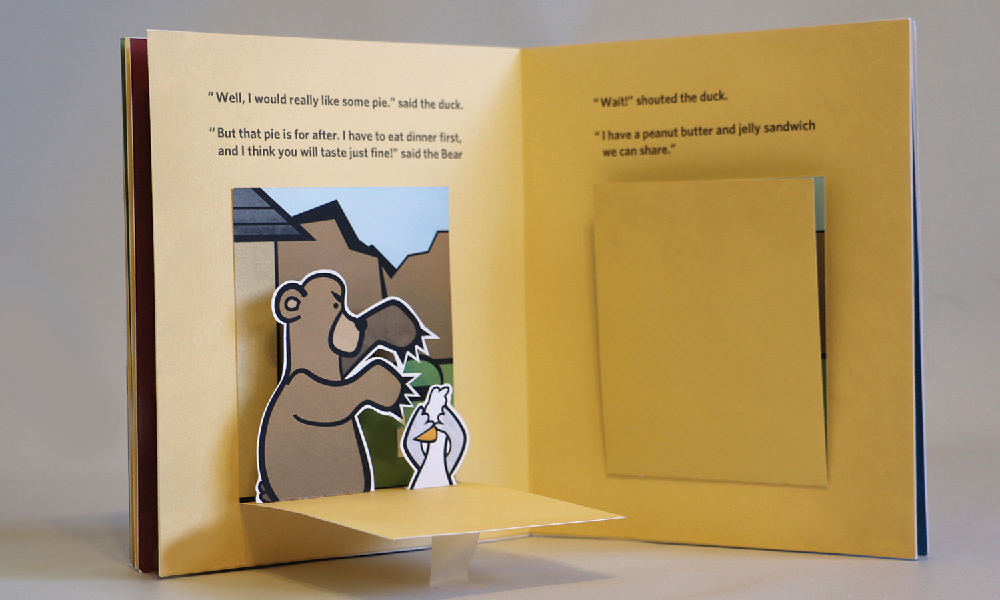
Books are the last recommendation, even though a book isn't something played with using the fingers. Interactive story books are genuinely useful for a child's motor development. With features like vivid pictures, sound or interactive elements, they build an interest in reading early while strengthening the bond between parent and child. You can start reading to a baby well before they understand the words or images, since they'll focus on the colours and patterns on the page.
Introducing Story Books From Four to Twelve Months
At four months a baby starts focusing on holding and picking up the book, and takes an interest in the bright colours inside it. That's an important early stage, where a baby starts recognising a book as something worth their attention.
Between Six and Twelve Months
That's the right time to introduce books more intensively. Point at an object or a page repeatedly, since by this age a baby responds by making sounds when they enjoy the story or the voice reading it. Each of those moments is entertaining and strengthens the emotional bond between you.
An interactive story book isn't only a learning tool, it's a window onto a world of stories and knowledge. Bringing a child an engaging, interactive story entertains them while helping them develop across the board.
Every page gives a child the chance to explore a new idea, sharpen their speech and build a creative imagination. All of that is a worthwhile investment in how they develop, helping them become a better reader, a more creative writer and someone more connected to the world around them.
In Short
Educational toys play a significant part in supporting how a child develops. Through them a child develops their imagination while improving their focus and concentration. A range of interactive toys has a real effect on sensory and motor development.
Reading interactive story books also widens a child's view of the world, introducing them to a range of stories and knowledge. All of it can be done together at home, which creates moments that deepen the relationship between parent and child.
For more educational activity ideas, Happy Kamper is worth a look. The app lists articles and activities designed to support how a child develops and to strengthen family time. Download the Happy Kamper app or visit the site here for other activity ideas.