
Educational Games Worth Trying, by Age
Educational games matched to age, from toddler puzzles through to coding games and science kits.
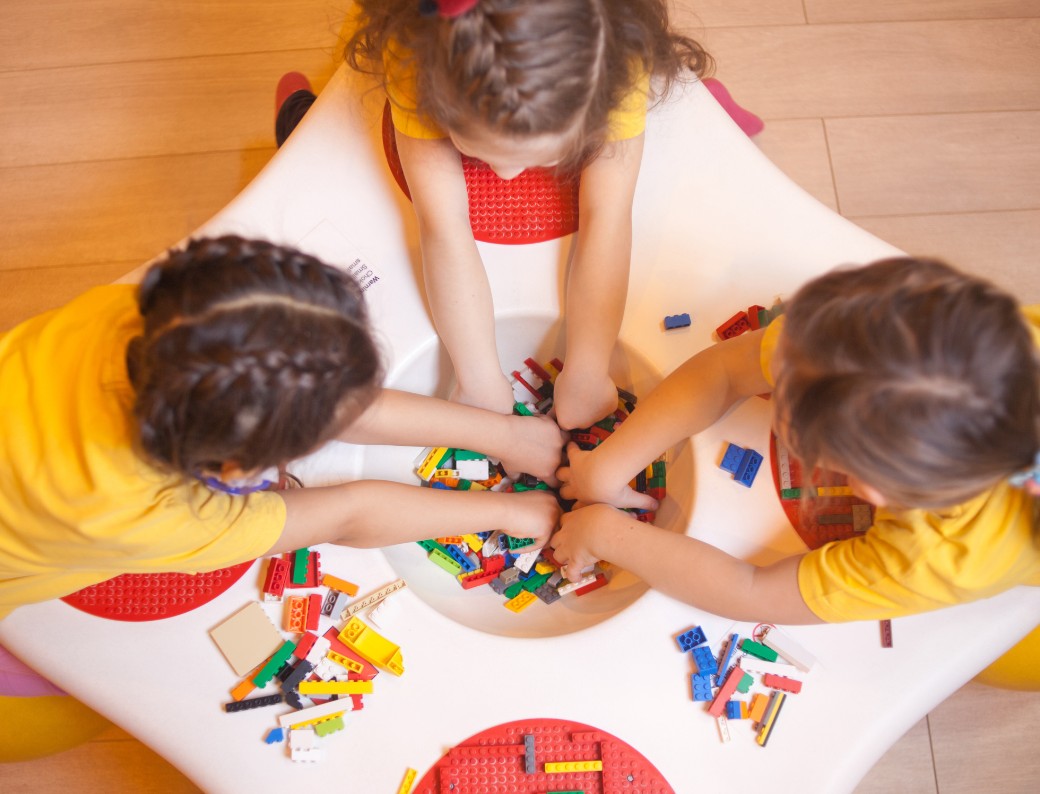
One effective way to support a child's development is through educational games. Learning through play makes a child happier while helping them develop cognitive, motor and social skills.
Choose the right game and play time becomes an enjoyable and genuinely educational experience. This covers educational games for home and school, for children from 1 to 12.
Ages 1 to 3
Between 1 and 3, children are exploring intensively and learning to recognise the world around them. Games at this age should be simple while still stimulating development. Here are five ideas.
1. Simple Puzzles
A puzzle trains patience and concentration. Choose large, simple pieces in bright colours for a child of 1 to 3.
Puzzles help a child develop hand-eye coordination and problem-solving early. They learn to recognise pattern, colour and shape while working out which piece fits, at a level of challenge matched to their stage.
2. Coloured Blocks
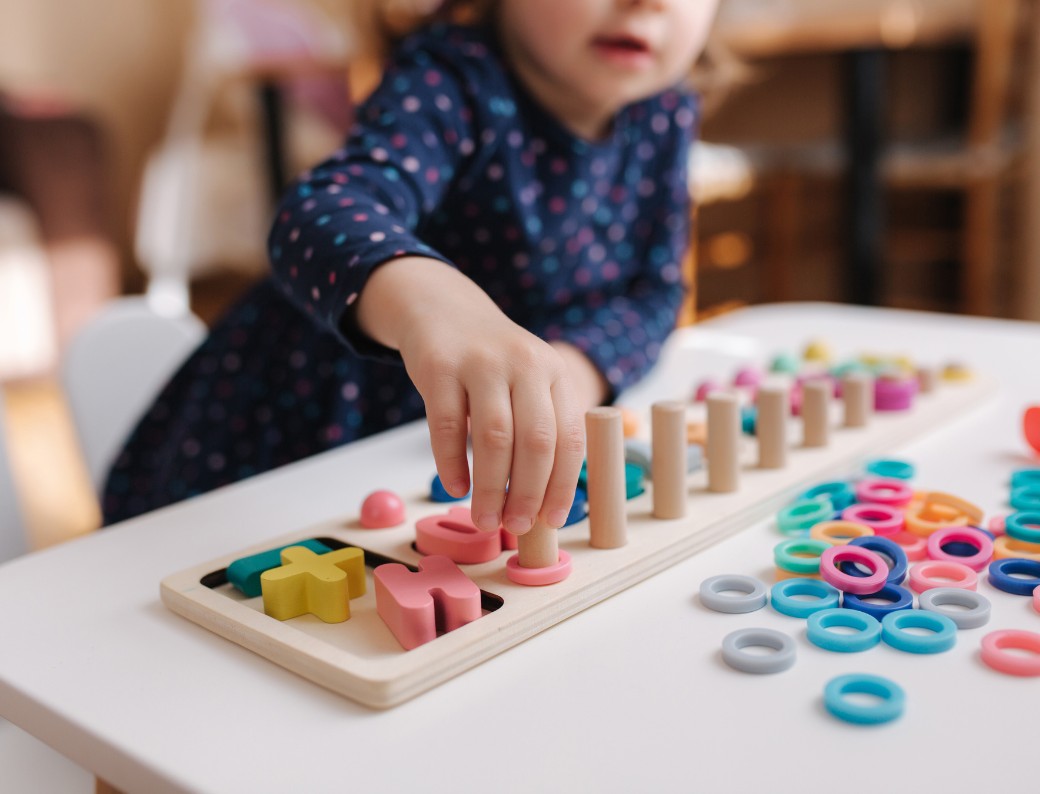
Blocks in a range of colours and sizes stimulate creativity while training fine motor control. A child can stack, arrange or build, which helps them understand cause and effect and balance. Blocks also introduce colour and basic shape while developing the spatial awareness that matters at this stage.
3. Picture Books
A picture book is among the more remarkable learning tools for this age. Give a child books full of colour and texture.
Reading together widens their vocabulary, stimulates imagination and strengthens the bond with a parent. Touching, looking and listening develops several senses at once, and a simple story with appealing pictures lays a literacy foundation that pays off later.
4. Textured Balls
Balls with varied textures are another one worth having. Beyond being satisfying to hold, they train gross motor skills and body coordination.
Playing with a ball teaches a child to throw, catch and roll, which strengthens their muscles and builds spatial awareness. Playing with a parent or another child during ball games also develops their social skills, including sharing and taking turns.
5. Water Play at Bath Time
Water is a reliable favourite at this age. Playing with a cup or a rubber duck, a child learns about how water behaves, including floating and sinking, while working their fine motor control.
Water play also introduces volume and capacity naturally. It offers a satisfying tactile sensation alongside, introducing different temperatures and textures. Supervise this one throughout.
Each of these carries a real benefit for a child of 1 to 3. All of them let a child grow and learn through play they actually enjoy.
Ages 4 to 6
Between 4 and 6 a child is more independent and considerably more curious. Games at this age should combine learning with a challenge that stretches logic, creativity and social skills. Here are three ideas.
1. Magnetic Letters
Magnetic letters are an enjoyable way into literacy. Start with coloured letters that stick to a board or the fridge, and a child can begin recognising the alphabet, spelling simple words and eventually building a short sentence. It stimulates reading and writing while training fine motor control as they arrange the letters.
2. Role Play
Role play is reliably enjoyable at this age. Children like the challenge of imagining themselves as a firefighter, a teacher or a doctor.
Using simple toys or objects around the house, you can build a scenario together. It helps a child develop social skills, widen their vocabulary and improve how they communicate, while helping them understand how someone else feels. If you're looking for a role play pop-up class, options are listed on the Happy Kamper app with current prices shown.
3. Educational Board Games
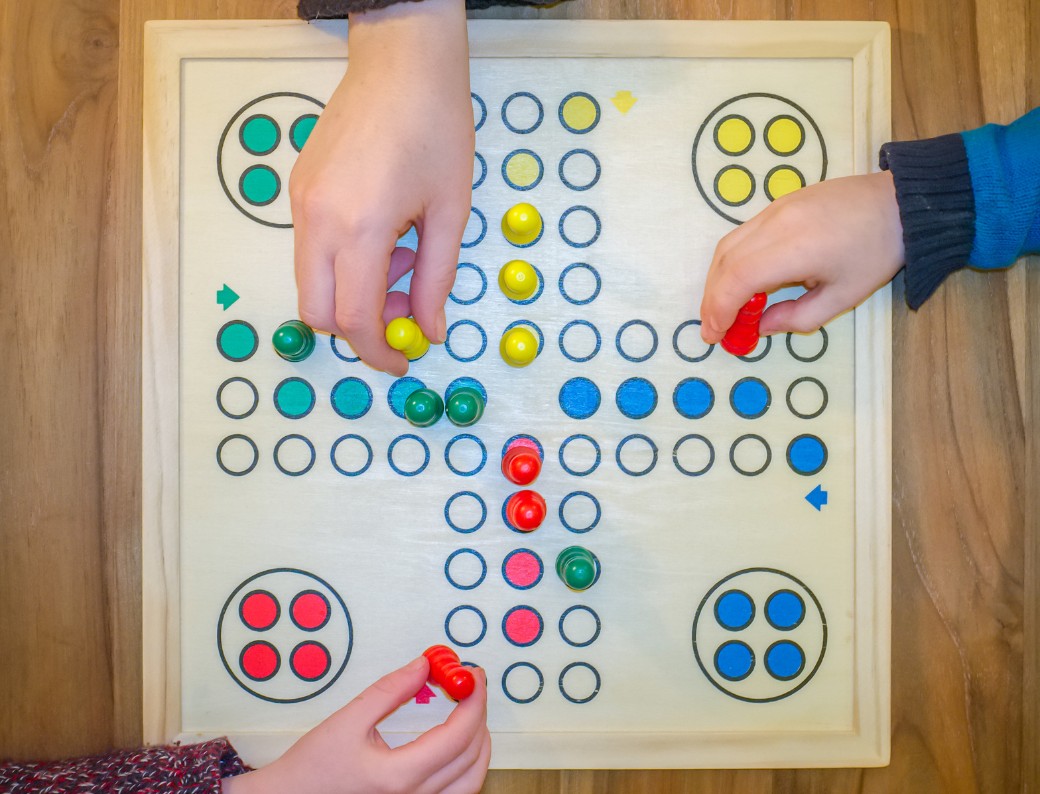
An educational board game, whether built around numbers or a folk tale, is an effective way to develop strategic thinking and problem-solving. It also introduces turns and rules, which matter for social development. Alongside that, children learn patience and how to handle winning and losing healthily.
Ages 7 to 12
Between 7 and 12 a child thinks in more complex terms and can handle more abstract concepts. The ideal games challenge their logic, strategy and creativity. Here are three.
1. Interactive Maths Games
Maths cards or an interactive app teaching addition, subtraction or fractions strengthens a child's mathematical ability. Playing raises their interest in maths in a way that doesn't feel repetitive. They also learn to think quickly and logically while working through a challenge.
2. Coding Games
Coding games from online education platforms help a child understand programming fundamentals enjoyably. Through them they learn to think logically and solve problems while building small projects such as an animation or a simple game. That's a valuable skill for what's ahead.
3. Science Experiment Kits
Science kits available from educational toy shops give a child the chance to run simple experiments at home. They might build a volcano from bicarbonate of soda and vinegar, or grow a small plant. These stimulate curiosity about science and help a child understand basic scientific ideas through direct experience.
Games That Work in the Classroom
Supporting formal learning at school interactively calls for educational games too. Here are ideas that work in a classroom.
1. Word Bingo
A teacher gives each pupil a bingo card carrying different words, then reads out a definition or a synonym, and pupils match it to the word on their card. This strengthens vocabulary and language comprehension while keeping pupils involved in the lesson.
2. Interactive Quizzes
Using a quiz app, or running a quiz live in class, is an effective way to review material already covered. Children can play individually or in teams, which adds healthy competition. It reinforces what they remember while making the lesson more dynamic.
3. Exploring the Environment
Taking children outside to explore the area around the school works well as an educational activity. They can observe plants, small animals or the types of soil around them. That helps them understand science better and leaves them more aware of their environment.
Each of these is designed to develop a different set of skills at the right age, at home or at school.
Combining Learning With Enjoyment
Educational games are an effective way to combine learning with enjoyment, so children learn while playing. From games for 1 to 3 focused on sensory and motor stimulation, through to games for 7 to 12 that challenge logical and strategic thinking, all of them carry a real benefit for cognitive, social and emotional development.
Educational activities can also be found through providers. These are good for developing a child's creativity while giving them an enjoyable experience, and they work well for introducing a child to art and stimulating their imagination.
Classes and educational activities are listed on Happy Kamper with locations and current prices shown, which makes finding something suitable straightforward. With the range available, supporting a child's development at home or at school is easier than working through providers one at a time.