

Choosing an After-School Programme for Your Child
An after-school programme is more than a filler. The five types available, and seven things to weigh up.
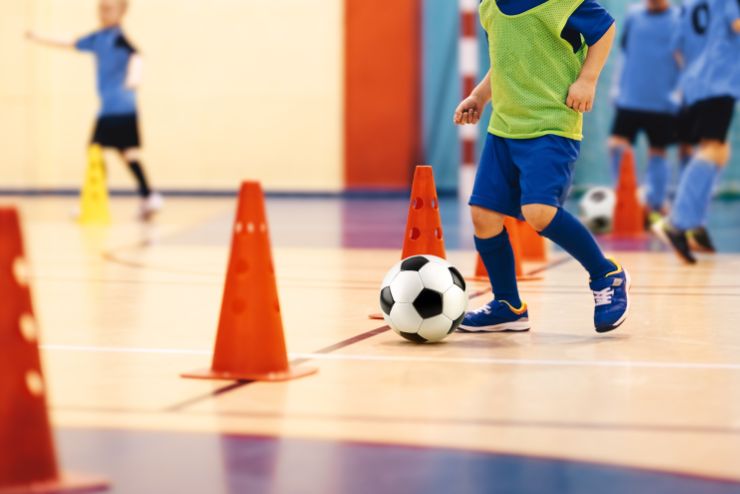
Educating a child for the era they're growing up in is part of the job. That covers formal education, informal learning, extracurricular activity and an after-school programme, and the combination is what prepares a child for what follows. According to Youth.Gov, an after-school programme isn't only a supplement, it can be a significant part of a child growing into a positive person.
Unlike school, which is fixed, an after-school programme is flexible around a child's interests and needs. That personalisation is the key thing to get right.
The Five Types
After-school programmes divide roughly into five kinds. Here they are. 1. Academic
Academic programmes include maths tuition, language courses and general tutoring. 2. Creative and Arts Creative and arts programmes are also worth considering, covering music lessons, drawing and painting, dance and theatre.
3. Sport
Sport is the one parents choose most often. That covers swimming, football, futsal, basketball and taekwondo among others. 4. Technology
Technology programmes suit a child who likes building on their imagination, covering coding, robotics, digital art and animation. 5. Social and Environmental Finally, an after-school programme can take the form of social or environmental work.
With a sense of the types available, there are things worth weighing before choosing one. Here they are.
Seven Things to Weigh Up
These are the factors that decide whether a programme actually works for your child.
1. Their Interests and Ability
As above, personalisation is the key point. A child's interests and ability are the first factor to weigh.
Talk to your child properly about what they enjoy, what interests them and what they'd want to do after school. Watching their ordinary day tells you a lot, and an aptitude test with a professional can add to it.
2. Distance and Travel Time
This matters more than it appears. Make sure the location isn't too far and is reachable with the transport you have.
Children are already tired after school, and a long journey on top of that wears them out. So make sure the distance and travel time are manageable.
3. Reputation and Instructor Quality
The quality of the instructors, teachers and coaches is another deciding factor. Social media makes checking a reputation straightforward, and recommendations from other parents help too.
Beyond reputation and results, make sure the instructor communicates comfortably with children. A child who feels comfortable enjoys the activity considerably more.
4. Safety and Facilities
Safety and facilities matter a great deal. Make sure your child's safety is accounted for and the facilities are adequate, particularly for anything physical. Decent safety and facilities also mean you can relax while your child is there after school.
5. Cost
Make sure the cost of the programme stays reasonable. The point is keeping the family finances balanced while still giving a child a good education.
6. Age and Development
Just as important is making sure the programme suits your child's age and stage. Every child develops differently, so look at how well yours would adapt to the programme in question.
Interest matters, but the programme still has to match their age and development. In the end a child's own view is the deciding factor.
7. An Inclusive Environment
Finally, make sure your child ends up somewhere inclusive. An environment with room for different cultures and backgrounds, children with special needs included, is what trains empathy. That way an after-school programme isn't only about skills, it improves how a child interacts with other people.
Those are the factors worth weighing before deciding. Get them right and a child does something they enjoy while the plan still fits your family and its budget.
Finding a Programme
To make finding after-school activities easier, the Happy Kamper app lists options across a range of providers. That covers academic, arts and sport, futsal included.
Futsal as an After-School Option
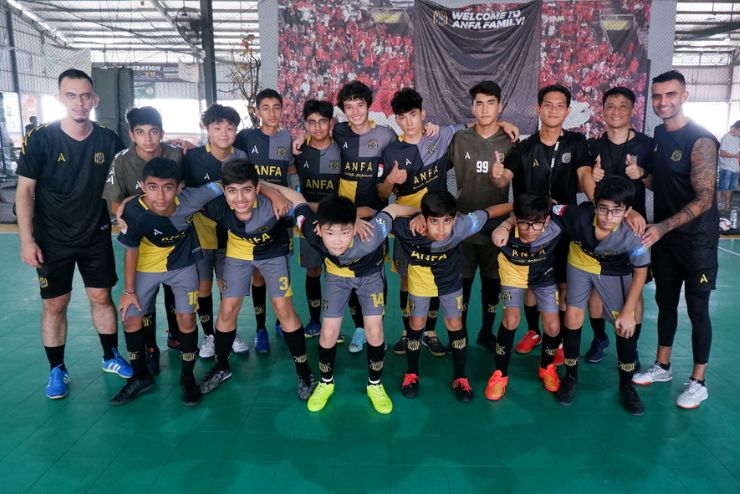
ANFA Futsal Academy has offered coaching for children from roughly 4 to 16 under professional coaches. It has also run a player of the month award, which tends to keep children training.
Here is the detail. Confirm current opening hours and fees before travelling.
- Address: Planet Futsal Artha Gading, Mall Artha Gading, Jl. Artha Gading Sel. No.1 Lt. 7, RT.18/RW.8, Klp. Gading Bar., Kec. Klp. Gading, North Jakarta, DKI Jakarta 14250
- Opening hours: check directly, since these have changed over time
- Instagram: @anfafutsalacademy
Happy Kamper lists it alongside other after-school options. Current prices and locations are shown for each.