

Teaching a Child to Fast, Stage by Stage
Readiness for fasting differs child to child. Here's how to introduce it by age, and seven ways to keep it a positive experience.
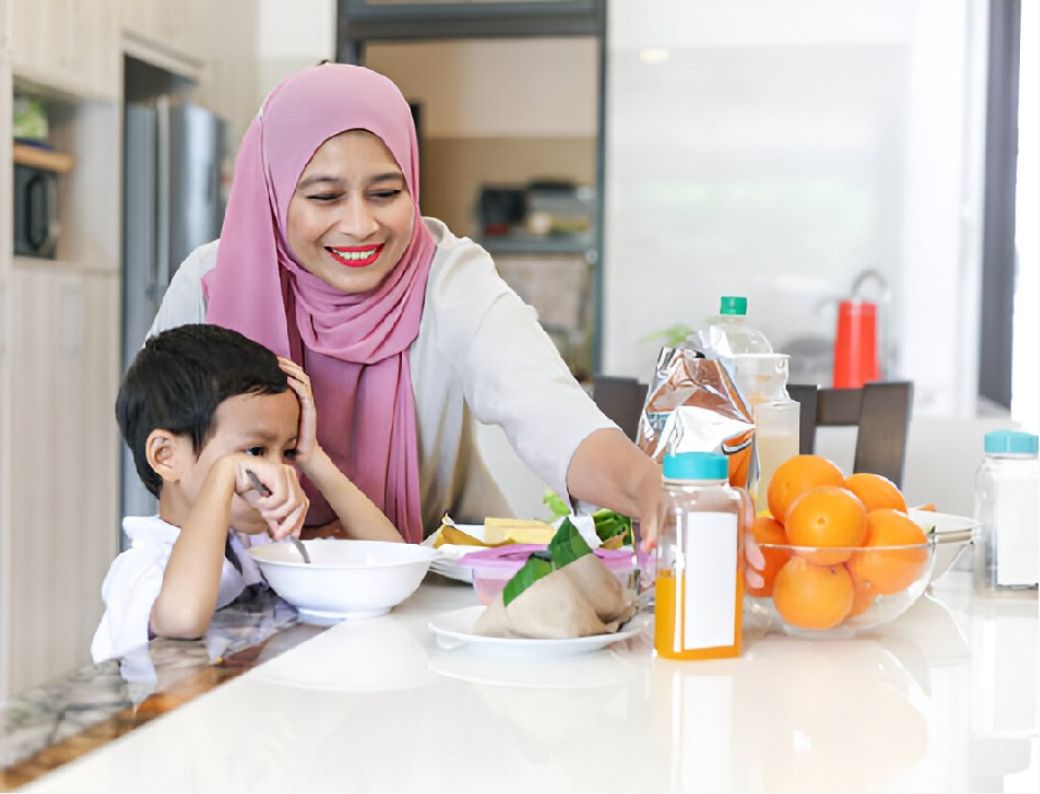
Teaching a child to fast early can be a genuinely positive experience if it's handled well. Alongside the religious obligation, fasting builds discipline, self-restraint and an understanding of what other people go through. Plenty of parents still wonder when the right time is, and how to get a child through it willingly rather than resentfully.
The right age varies, since it depends on a child being physically and mentally ready. Introducing it gradually and keeping the experience positive is what stops it becoming a burden. This article covers when to start and how to make it enjoyable.
When Should a Child Start?
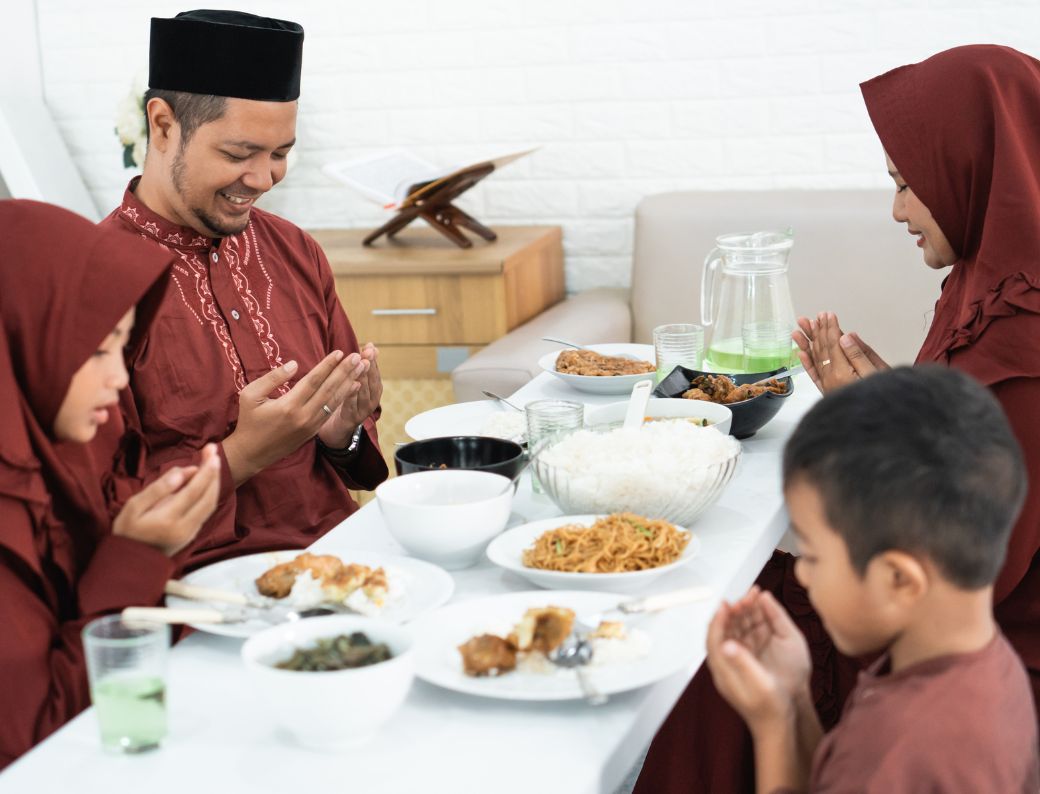
Every child is ready at a different point. Generally you can introduce the idea early and build it up in stages, and here's roughly how that works by age.
1. Ages 3 to 5: Introducing the Idea
At this age children start noticing the family's Ramadan routine, sahur, breaking the fast and tarawih prayers. You can introduce fasting gently, bringing them along to sahur and iftar, or letting them fast for a few hours only.
They can also practise going without food and drink for a short stretch, from after breakfast until midday for instance. That gets them used to it while teaching self-restraint without any real pressure. Keep them occupied and entertained through it, with drawing or a Ramadan book.
2. Ages 6 to 7: Half a Day
By 6 or 7 a child generally understands what fasting means and can try half a day. The point is getting used to it before a full fast at an older age.
Set a small challenge, fasting from sahur until midday, then extend it gradually. Encourage them and acknowledge the effort, with praise or something small.
Make sure they eat properly at sahur so they aren't flagging. Something high in fibre and protein keeps a child going through the morning.
3. Ages 8 to 10: A Full Fast, Supervised
From 8 upwards a child is generally readier to try a full day. Keep an eye on how they're doing physically, and if they look drained, let them break it early.
Make Ramadan enjoyable by involving them, helping prepare the iftar menu or joining a Ramadan activity. That keeps them motivated and lets them enjoy fasting rather than endure it.
Seven Ways to Make It Positive
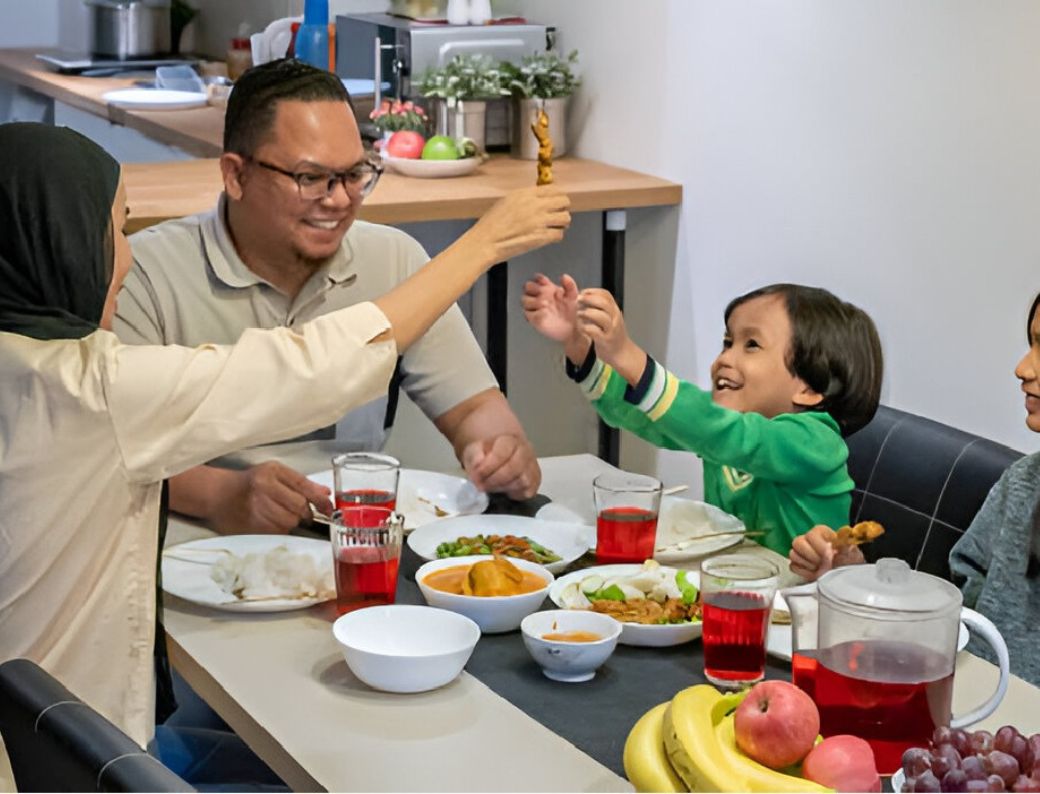
The approach matters more than the rules. Here are seven things that help.
1. Explain It Through a Story
Children understand an idea better through a story. Tell them about the Prophets, or about children who fasted happily, which helps them grasp the purpose and the benefit without it feeling like instruction.
2. Make a Fasting Calendar
Children respond to something visual and concrete. Make a colourful fasting calendar and mark each day they manage.
Each completed fast gets a mark, a sticker or a star. It turns progress into something they can see.
3. Let Them Choose the Menu
Talk to your child about what goes on the table for sahur and iftar. Being part of that decision raises their enthusiasm considerably. A child involved in the process feels their view counts and is far more motivated to keep going.
4. Fast Alongside Them
Children copy their parents. Watching you fast and keep to the routine willingly is what pushes them to do the same.
5. Tell Them Stories Worth Hearing
Stories about fasting from around the world broaden what a child understands about it. It adds context and gives them something to hold onto.
6. Acknowledge the Effort
Praise or something small when a child completes a fast makes a real difference to their motivation. Being recognised is what keeps them going.
7. Set the Scene at Home
Ramadan decorations, or making takjil together, create an atmosphere a child enjoys being part of. It makes fasting feel like an occasion rather than a restriction.
Things to Do During Ramadan
To keep a child occupied and interested while fasting, here are some activities worth trying.
1. Ramadan Crafts
Making Ramadan cards, decorating a fasting calendar or making Islamic decorations all work their creativity while filling the time usefully.
2. An Online Comic-Making Class
For a child interested in drawing and storytelling, a comic-making class is a good fit. Kayaksekolah has offered online comic classes through Happy Kamper, teaching the basics and giving children room to be creative. It suits the school break at the start of Ramadan well.
3. Reading Ramadan Books
Story or reference books about Ramadan add to what a child understands while filling their time with something positive.
4. Ramadan-Themed Science
A simple science experiment on a Ramadan theme makes for an educational and enjoyable afternoon.
5. Cooking Traditional Recipes
Cooking a traditional recipe for iftar together is enjoyable and teaches them something at the same time. Hopefully that helps with teaching a child to fast in a way that leaves this Ramadan something they remember well.
Making Ramadan Something They Enjoy
Teaching a child to fast can be a genuinely good experience with the right approach. Between patience, a story that lands and activities they enjoy, a child can understand what fasting means while still enjoying their days. You'll find educational and creative activities listed on Happy Kamper, each with its price and location.