
How to Get Your Child Reading: Choosing the Right Books
Competing with a screen is hard, but the payoff from reading is large. Here are eight ways to build the habit, and what to read at each age.
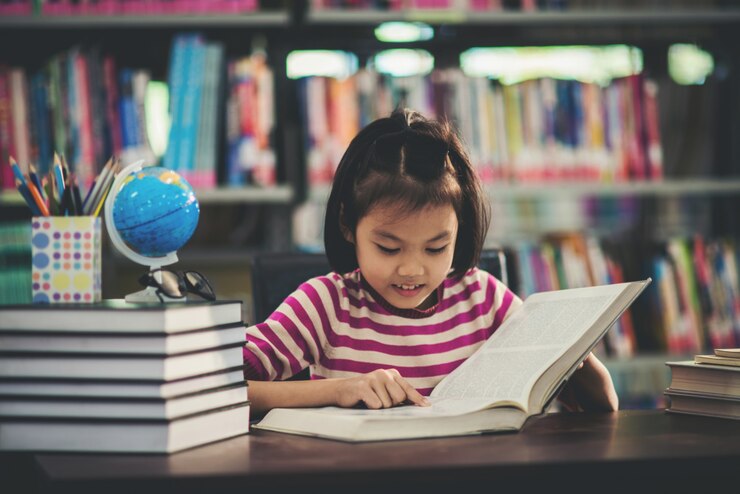
Getting a child interested in reading is one of the harder jobs a parent faces now, with so much digital entertainment competing for the same hours. The payoff is worth the effort, though, covering cognitive development, vocabulary and critical thinking. This article looks at what reading does for a child, how to build the habit through age-appropriate books, and where to find those books.
What Reading Does for a Child
Reading is enjoyable, and it does a great deal for how a child develops. Here are the benefits worth knowing about.
1. Cognitive Development
Reading builds a child's thinking directly. Following a story, connecting a plot and predicting what happens next all give the brain real work to do.
2. Vocabulary and Language
Books introduce children to new words and to sentence structures they wouldn't otherwise meet. That enriches vocabulary and improves how well they express themselves.
3. Concentration and Discipline
Reading takes focus and persistence. Through it, children learn to sit still and concentrate for longer than they otherwise would.
4. Imagination and Creativity
A story takes a child somewhere else entirely and stretches what they can imagine. They learn to think past the obvious and build a creative streak.
5. Empathy
Stories with strong, varied characters help a child understand what someone else feels and why. That's the foundation of empathy, and it's hard to teach directly.
Eight Ways to Build the Habit
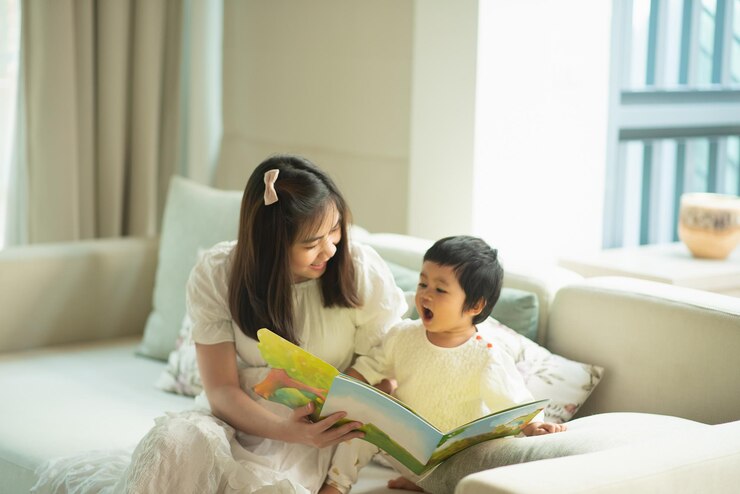
Building a reading habit takes the right approach rather than more pressure. Here are eight practical things that work.
1. Match the Book to Their Age
Choosing books that suit your child's age and stage matters more than it sounds. For younger children, pick books with plenty of pictures.
Primary-age children do well with short stories, and teenagers with novels. A book pitched right is one a child can actually understand and enjoy.
2. Let Them Choose
Let your child pick books they're drawn to. A trip to a bookshop or a library together is enjoyable and educational at the same time.
Having a say makes a real difference. A child who chose the book is far more likely to read it.
3. Set a Regular Reading Time
Put aside a specific time each day, before bed or in a quiet stretch of the afternoon. Daily repetition is what turns reading into a habit that lasts.
4. Read Aloud, and Make It Interactive
With younger children, read clearly and with expression. Use different voices for different characters, and invite them to ask questions or retell the story back.
That interaction is what makes reading feel alive rather than passive. It's also the part children remember.
5. Let Them See You Read
Children copy what their parents do, reading included. A child who sees a parent with a book regularly tends to pick one up themselves.
6. Make Space for It
Set up a comfortable, quiet reading corner at home. Decent light and somewhere comfortable to sit are most of what's needed to keep a child reading longer.
7. Try E-Books and Audiobooks
If your child gravitates towards technology, use it. Plenty of apps offer books digitally, and that format draws in children who'd refuse a paperback.
8. Follow What They're Into
Find out what your child is interested in and look for books on it. If they love dinosaurs, find books about dinosaurs, and if they like adventure stories, look for those.
Book Recommendations by Age
Age-appropriate books are what make the difference between a child enjoying a book and abandoning it. Here are genres worth looking at, by age group.
- Ages 3-6: picture books and folk tales. For example: "Si Kancil" by Ade Nirmala.
- Ages 7-9: fiction, adventure stories and light mysteries. For example: "Laskar Pelangi" by Andrea Hirata.
- Ages 10-12: fantasy, adventure and slice-of-life stories. For example: "Keluarga Cemara" by Arswendo Atmowiloto.
- Ages 13+: young adult novels, fantasy and science fiction. For example: "5 cm" by Donny Dhirgantoro and "Perahu Kertas" by Dee Lestari.
Where to Find Books
Choosing the right book is one half of it, getting hold of it is the other. These are worth knowing about.
- Libraries: plenty hold a wide range of children's books, and some run reading sessions children can join.
- Bookshops: both online and on the high street. For the latter there's Gramedia, Books and Beyond and Periplus among others, and online you'll find children's books on Tokopedia, Shopee and similar. Either way you can search by age group and interest.
- Book rental: services like iJakarta and other digital libraries are a cheap, practical way to get good books without buying them.
In Short
Building a reading habit takes a strategy and a parent who stays involved. Choose books that suit their age, bring them into the choosing, and make space for it at home.
Libraries, bookshops and rental services between them cover everything you'll need. None of it has to be expensive.
Make reading part of the ordinary day and a child grows into someone genuinely well-read. There are more ideas for educational activities over on Happy Kamper.