
The Right Age to Start School, and How to Prepare Your Child
There's no fixed answer on when a child should start school. Readiness matters more than the number.
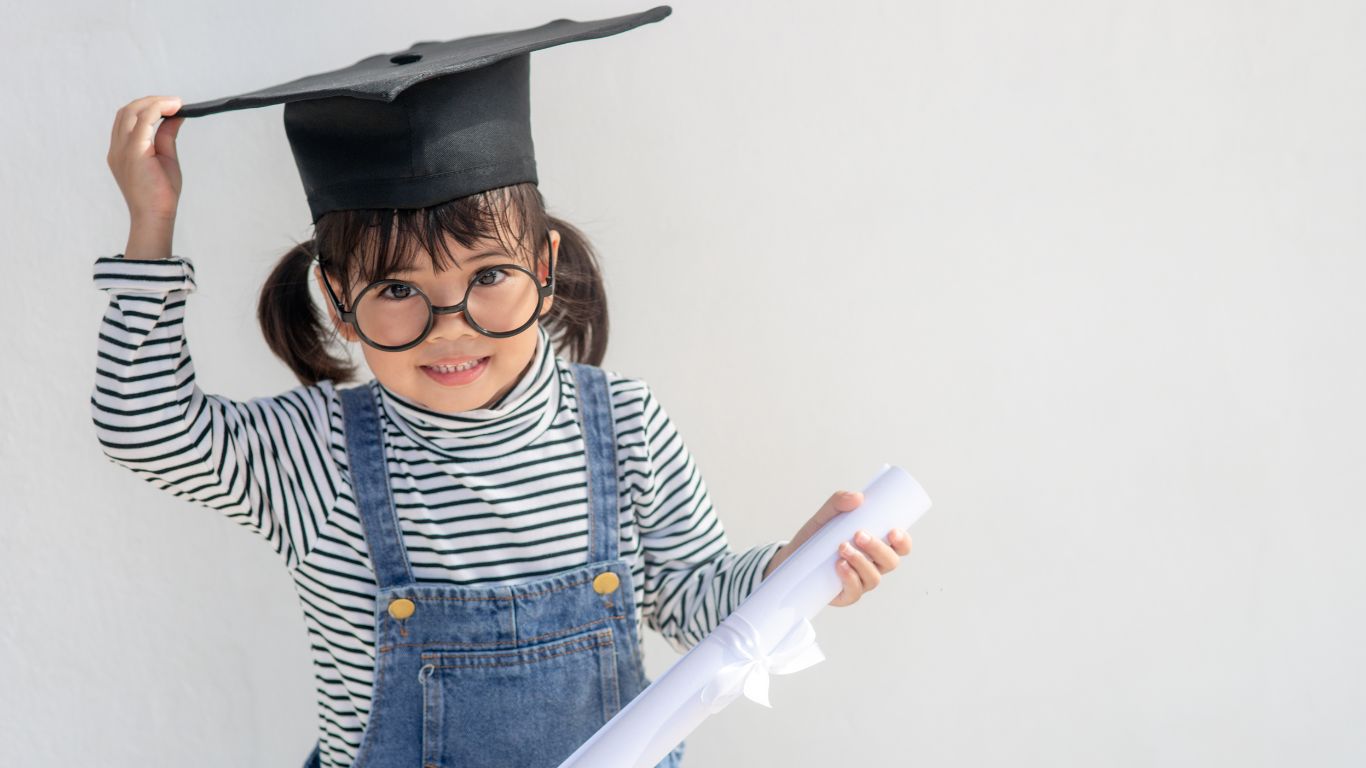
Most parents wonder at some point when their child should start school. The question is usually whether earlier is better or whether it's worth waiting until they're genuinely ready. There's no fixed answer, since some children show readiness early while others need longer to adapt to a structured learning environment.
Indonesia's education ministry puts the standard age for starting primary school at 6 to 7, but readiness matters considerably more than the number itself. So it's worth recognising the signs before deciding to enrol them. Here's a closer look at the age brackets and what determines whether a child is ready.
The Age Brackets
1. Early Years (PAUD), Ages 2 to 4
Early years education is a child's first step into learning and socialising outside the home. Children usually start somewhere between 2 and 4, depending on their readiness. A two-year-old is generally still exploring freely, while a three or four-year-old can follow a routine and interact with other children.
Even so, early years education isn't compulsory. A child getting enough stimulation at home, through play-based learning or an active social life, can develop perfectly well without it. The thing to watch is whether they show interest in playing with other children, can follow a simple instruction, and are comfortable somewhere new without excessive anxiety.
2. Kindergarten (TK), Ages 4 to 6
Kindergarten is the stage that prepares a child for primary school. Ideally a child starts between 4 and 6, with the younger group at 4 to 5 and the older at 5 to 6. Here they meet more structured learning, including letters, numbers and basic social skills.
One sign a child is ready is that they can follow a simple instruction and want to learn something new. If yours still struggles to sit still for long or can't manage basic tasks independently, they may need more time before starting.
3. Primary School (SD), Ages 6 to 7
The standard age for starting primary school in Indonesia is 6 to 7, in line with government regulation. Readiness still counts for more than age. A child ready for primary school can generally interact with children their own age, has basic cognitive skills like recognising letters and numbers, and can concentrate for a reasonable stretch.
If your child doesn't seem ready, there's no need to worry. Plenty of children start at 7 and catch up perfectly well. What matters is that they feel comfortable and confident going into a more formal environment.
What Determines Readiness
1. Cognitive Development
A child ready for school usually has a basic grasp of numbers, letters, shapes and colours. They also show real curiosity, asking about everything and trying to work out how the world fits together. If your child still struggles with a simple instruction or can't focus on one thing for a few minutes, they may need more stimulation before starting.
2. Social and Emotional Development
How well a child interacts with others and manages their feelings matters just as much. A child who's ready can generally share, cooperate and understand basic rules within a group. They can also handle the anxiety of separating from a parent. If yours still has frequent tantrums or is nervous around other children, more time playing with children their own age helps.
3. Independence
Independence is a significant part of school readiness. A child starting kindergarten or primary school should ideally be able to feed themselves, use the toilet unaided and tidy their own things. If they still depend on you for small things, they may need longer to adapt.
4. Language
Good communication helps a child follow lessons and get on with teachers and classmates. A child who's ready can generally build a simple sentence, follow an instruction and say clearly what they want. If yours still finds speaking or understanding difficult, more reading together and active conversation helps.
Signs a Child Is Ready
1. They Can Follow a Simple Instruction
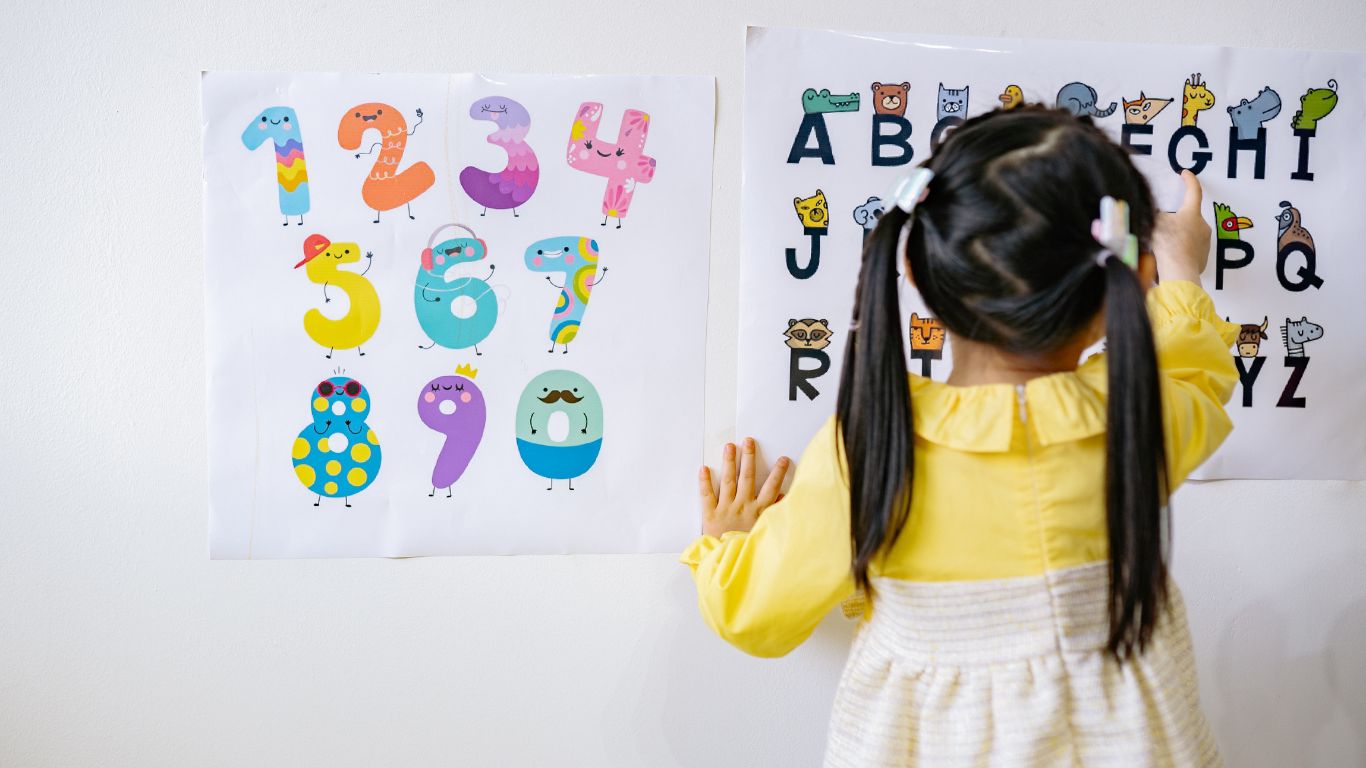
One clear sign is the ability to follow a simple instruction, whether that's fetching a book, tidying toys or sitting quietly for a few minutes. It matters because at school a child takes direction from a teacher across a range of activities. If yours still struggles with that, games built around instructions help, whether that's Simon Says or a memory game.
2. They're Comfortable Away From You
If your child can play with friends or be somewhere new without crying for you, that's a good sign. Being able to separate shows they have enough confidence and emotional independence. A child who isn't ready usually gets upset or anxious when left for long. Short play sessions or a play class help them get used to being somewhere without a parent.
3. They Can Interact With Other Children
Getting on with others is the key to adapting at school. If your child can share, wait their turn and play alongside others without major conflict, they're ready. If they still have tantrums about sharing or don't yet grasp cooperating, small group play or something like an art or sport class helps.
What Parents Can Do
1. Build a Daily Routine
A routine helps a child understand how time is structured and move between activities more easily. Get them on a fixed schedule for waking, eating, playing and sleeping, which makes adapting to a school timetable considerably faster. A routine also teaches discipline and responsibility, whether that's tidying toys after playing or washing hands before eating.
2. Build Their Independence
An independent child adapts to school far more easily. Start getting them doing things themselves, whether that's putting on shoes, opening their lunchbox or going to the toilet unaided. The more chances they get to try, the more confident they become about handling daily tasks without you.
3. Practise Social Skills
Before starting school, a child needs to get used to being around children their own age. Take them to play with others at a park, a playground or a play class. That's where they learn to share, wait their turn and resolve a small disagreement through talking. If yours seems shy or avoids interaction, setting an example or role playing at home helps.
4. Introduce the Idea of School Early
Help your child understand what school is and what they'll be doing there. Read them a book set at school, talk about the enjoyable parts of it, or take them on a tour before the first day. That makes the whole thing familiar and gets them looking forward to it.
Preparing Them Properly
Deciding when a child starts school isn't only about age, it's about cognitive, social, emotional and physical readiness. The signs include following an instruction, being comfortable away from a parent, and getting on with other children. To prepare, build a daily routine, develop their independence, practise social skills and introduce the idea of school early.
To make that preparation easier, a pre-school class or a pop-up class with educational activities is worth considering. The Happy Kamper app lists classes matched to what your child needs.