

Singing Classes for Kids in Tangerang Selatan
1 activity found, Verified on Happy Kamper
Available Activities
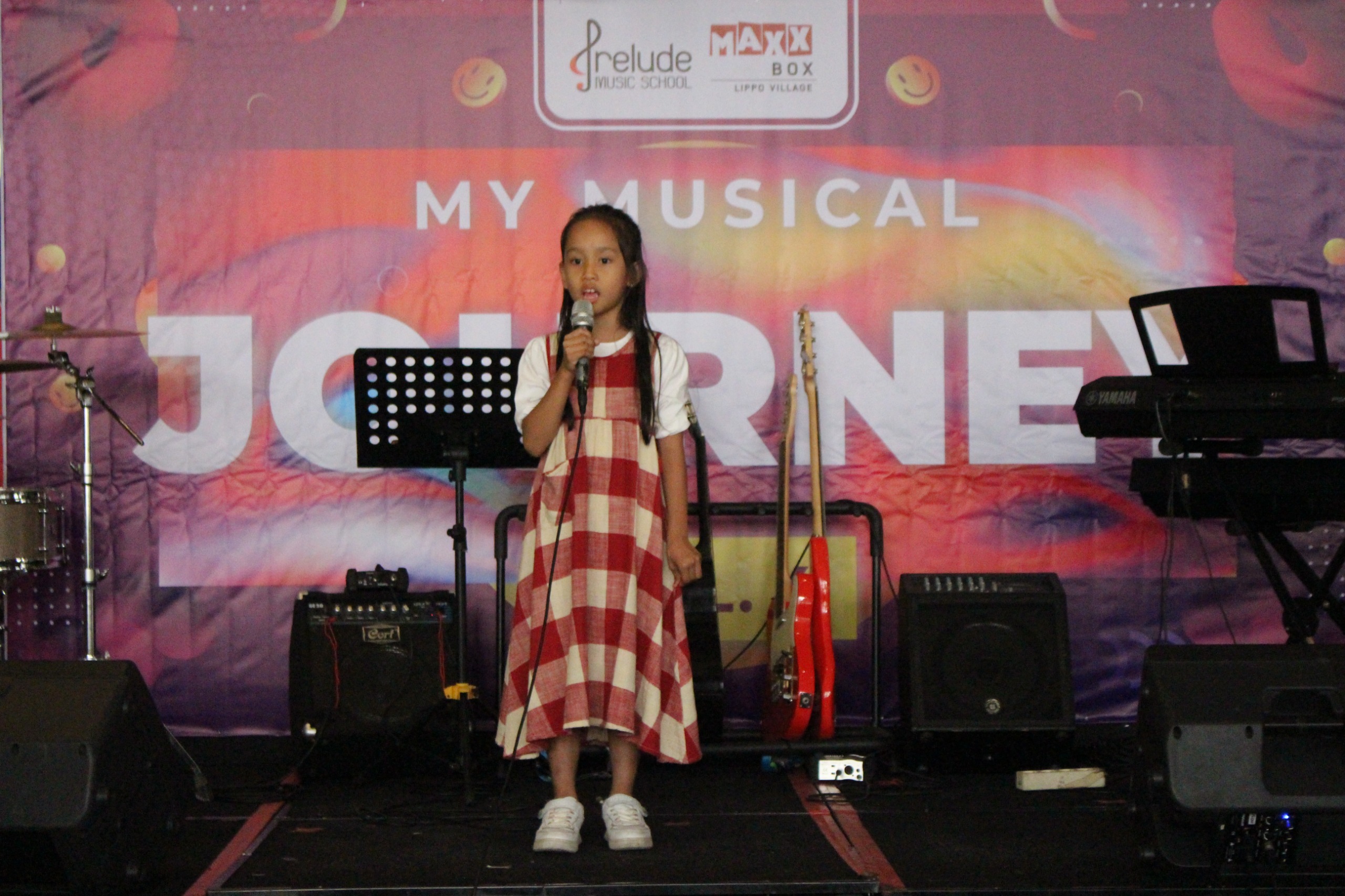
Why Singing Classes for Kids in Tangerang Selatan
The human voice is the most personal and immediately accessible musical instrument, every child is born with one. Singing lessons develop far more than the ability to hold a tune: proper vocal training builds breath control, diaphragmatic support, resonance, and pitch accuracy while simultaneously developing listening skills, musical memory, and emotional expression. Children who sing regularly develop stronger phonological awareness (critical for literacy), improved working memory, and greater emotional regulation, skills that benefit them well beyond music class. In the Indonesian cultural context, singing has deep roots: from traditional tembang and lagu daerah (regional songs) through contemporary pop, dangdut, and gospel, music performance is woven into school life, community events, and religious observance. Children who train in singing gain a social skill with lifelong application, from singing in school performances and choir to adult karaoke culture and public speaking confidence. Voice lessons also develop the vocal health awareness that prevents the misuse injuries common among untrained singers, making it a genuinely long-term investment. Perhaps most importantly for many Indonesian families, singing provides a channel for cultural expression and religious participation that few other skills offer: a child who can sing confidently in Indonesian traditional styles, Islamic devotional music, or Christian praise and worship has a cultural asset that connects them to their heritage and community. The confidence gained through public singing performance, standing before an audience and holding their attention with your voice alone, translates powerfully into academic presentations, job interviews, and leadership roles throughout life.
What to Expect
Singing lessons for children in Indonesia run 30–60 minutes weekly (private) or 60–90 minutes (group). Beginners focus on breathing technique, posture, pitch matching, and simple songs. Intermediate students develop range extension, dynamics, vocal colour, and style (pop, classical, gospel, dangdut). Advanced students work on performance technique, microphone technique, and audition preparation. Many academies offer ensemble singing and choir alongside solo training. Browse the verified providers on Happy Kamper to compare fees by lesson format and vocal style. In the early weeks, parents will observe their child learning to breathe from the diaphragm rather than the chest, this foundational shift in breath support is the most important technical skill in singing and carries health benefits beyond music class. As progress builds, children learn to identify when they are in tune versus out of tune by ear, which develops musical sensitivity applicable to all areas of music appreciation. For children who are naturally shy, individual vocal lessons in a private studio offer a uniquely low-pressure performance environment, just child and teacher, where confidence can build gradually before the child performs for a wider audience. Many academies in Indonesian cities host termly student concerts or connect students to school performance opportunities, giving young singers a meaningful, motivating goal to prepare toward.
Frequently Asked Questions
Book via the Happy Kamper App
Browse all 1 listings, read parent reviews, and book in seconds.
Download App