

DIY
Arts and crafts, kitchen projects, sensory play, and science experiments you can set up at home with what you already own. Screen-free ideas for Indonesian families, sorted by age, mess level, and how long they actually hold a child's attention.
What you'll find here
- Arts-and-crafts projects using materials already in the house
- Kitchen and cooking activities kids can do safely, by age
- Sensory and motor play setups for toddlers and preschoolers
- Simple science experiments with clear explanations for parents
The best at-home activity is the one you can set up in five minutes
Most at-home activity lists fail for the same reason. They assume you have pipe cleaners, googly eyes, and forty minutes of prep before the child is even in the room. In practice, the activity that actually happens is the one you can build from rice, a baking tray, an old toothbrush, and whatever is already in the kitchen drawer. Every idea in this hub is written with that constraint in front of it, what you need, how long setup really takes, and what the cleanup looks like when it goes wrong. If a project needs something you have to buy first, we say so at the top instead of halfway down the list.
Mess, age, and attention span, the three variables that decide
Whether an at-home activity works has almost nothing to do with how clever it is. It comes down to three things, whether the mess is one you can live with in your own house, whether the steps match what a child that age can physically do, and whether it lasts longer than the setup took. A four-year-old will abandon a twelve-step craft at step three, and that is not a discipline problem, it is a design problem. The articles here label every activity with an age band and a mess level up front, so you can rule out the wrong ones before you open a single cupboard.
All articles in DIY

Three Things a Child Can Cook Without Going Near the Stove
Three dishes with no heat at all: fruit and yoghurt cups, banana oat balls, and cream cheese pinwheels. The child does the tearing, mashing, spreading and layering, and an adult does every cut with a sharp knife. Expect one of the three to be abandoned halfway, because it will be.

Bubble Mixture That Actually Works, and Five Things to Blow It Through
Six parts water, one part plain dish soap, a little sugar, then leave it to stand overnight. The resting is what makes bubbles last, and it is the step almost every recipe skips. Cheap dish soap works. Anything sold as gentle, moisturising or antibacterial does not.

How to Make Playdough at Home: Cooked, No-Cook, and a Taste-Safe Version for Under-2s
Flour, salt, oil and water, cooked in a pan for a smooth dough or mixed with boiling water for a faster one. Salted doughs are high in salt, so not for a child still mouthing things. For that child, make the salt-free version below and colour it with kunyit, bit or pandan.
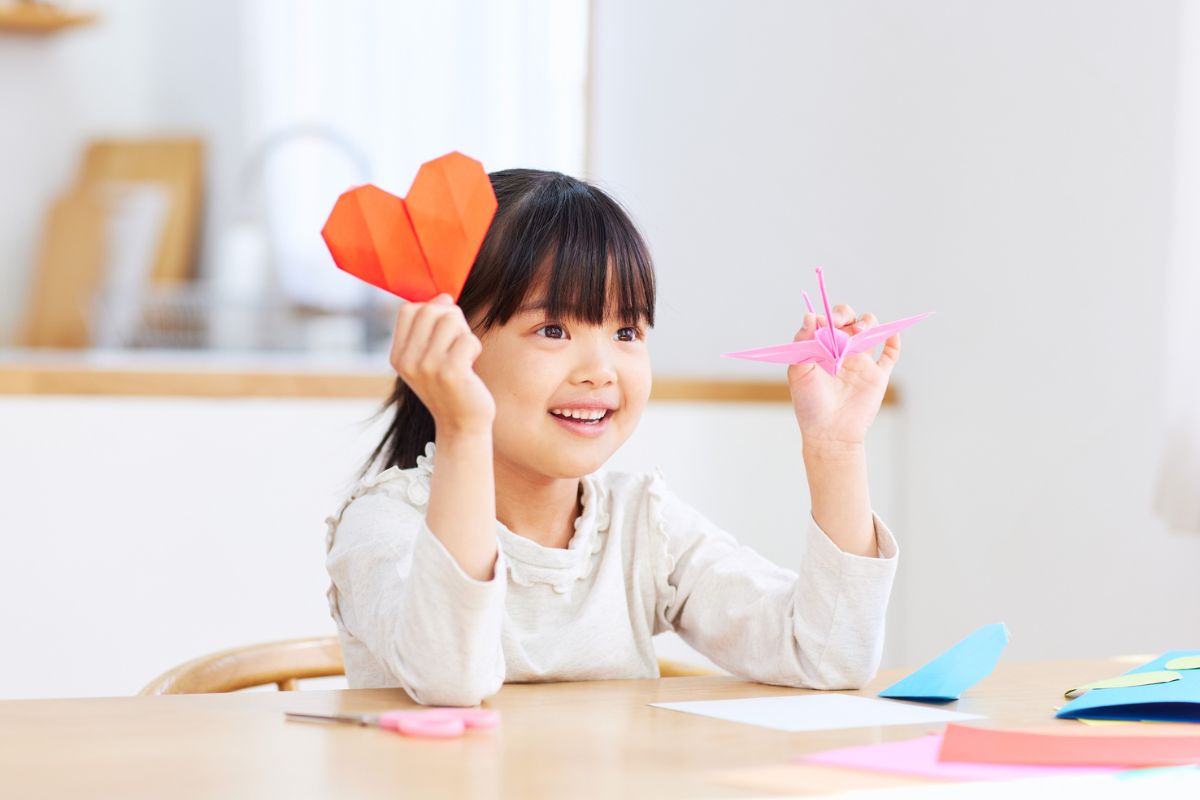
10 Art Activity Ideas for Children
Children were making art 17,000 years ago. Ten activities to try at home, and what each one builds.
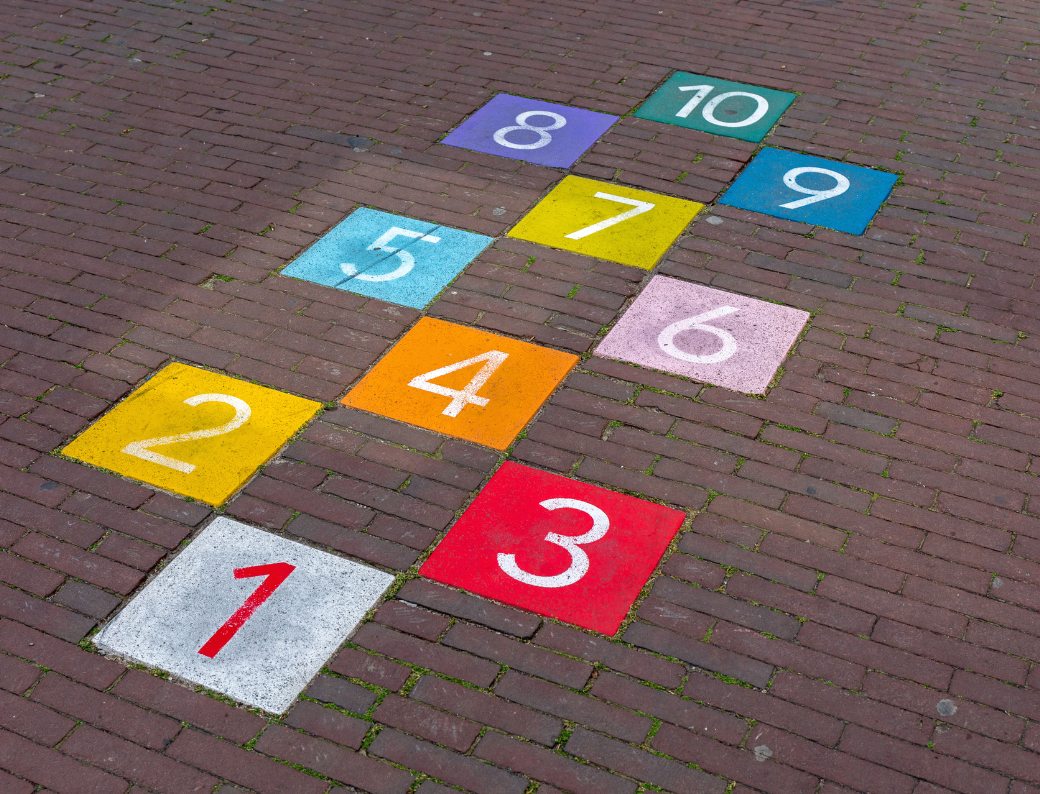
10 STEM Activities to Try at Home
Ten STEM experiments you can run at home with everyday materials, each with what you need and how it works.
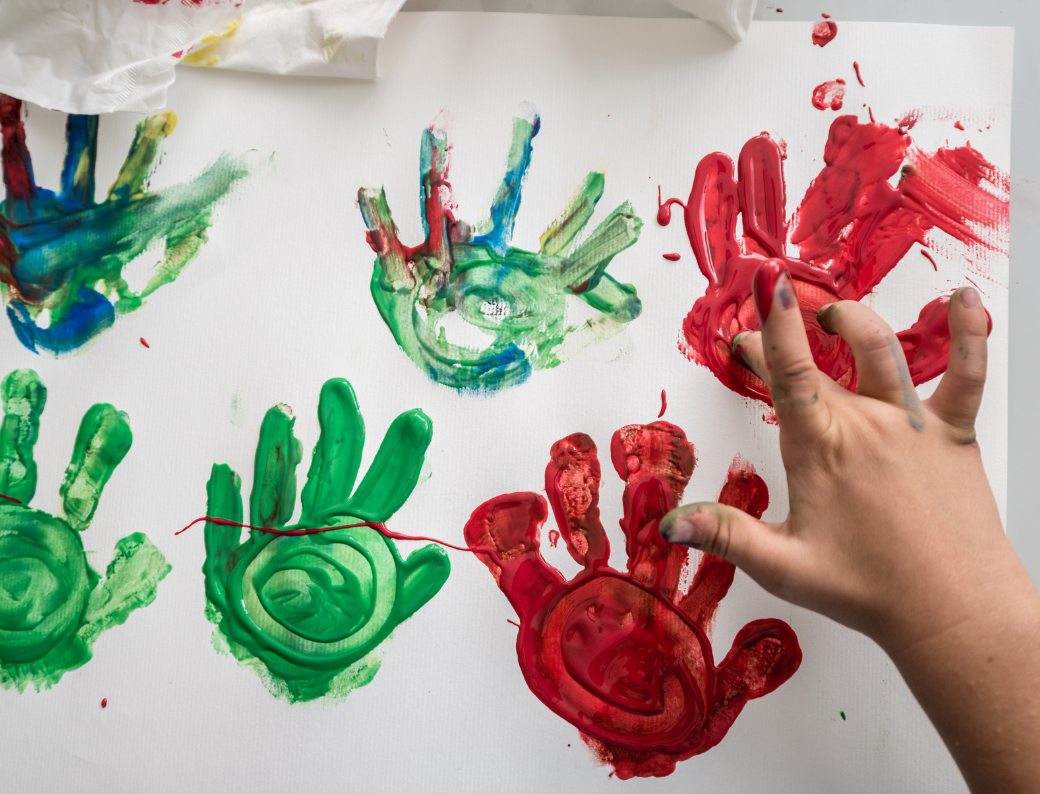
Seven DIY Craft Projects for Toddlers
Craft builds sensory and motor development alongside creativity. Seven projects to try at home with a toddler.
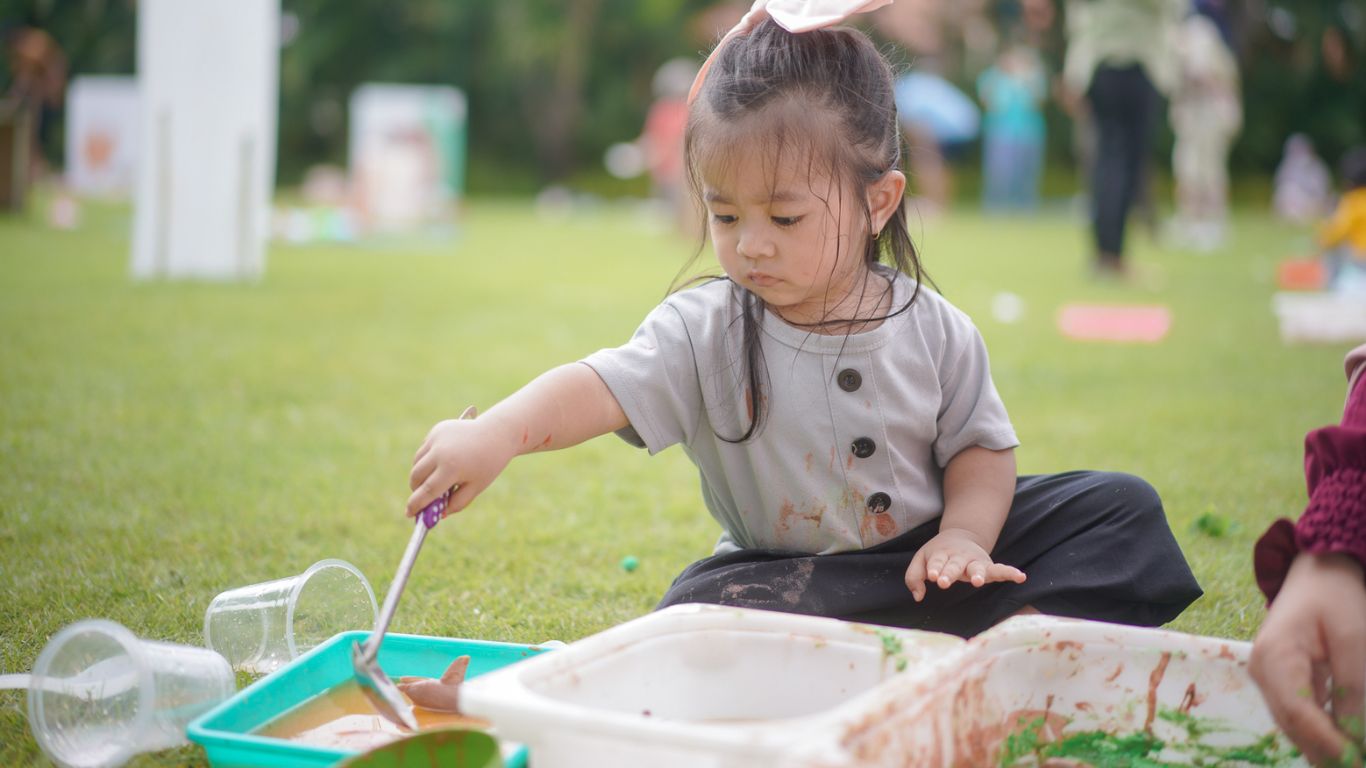
Stimulating a Child's Senses Through Simple Sensory Play
Rich sensory experience builds the brain faster. Simple games that work each of the five senses.
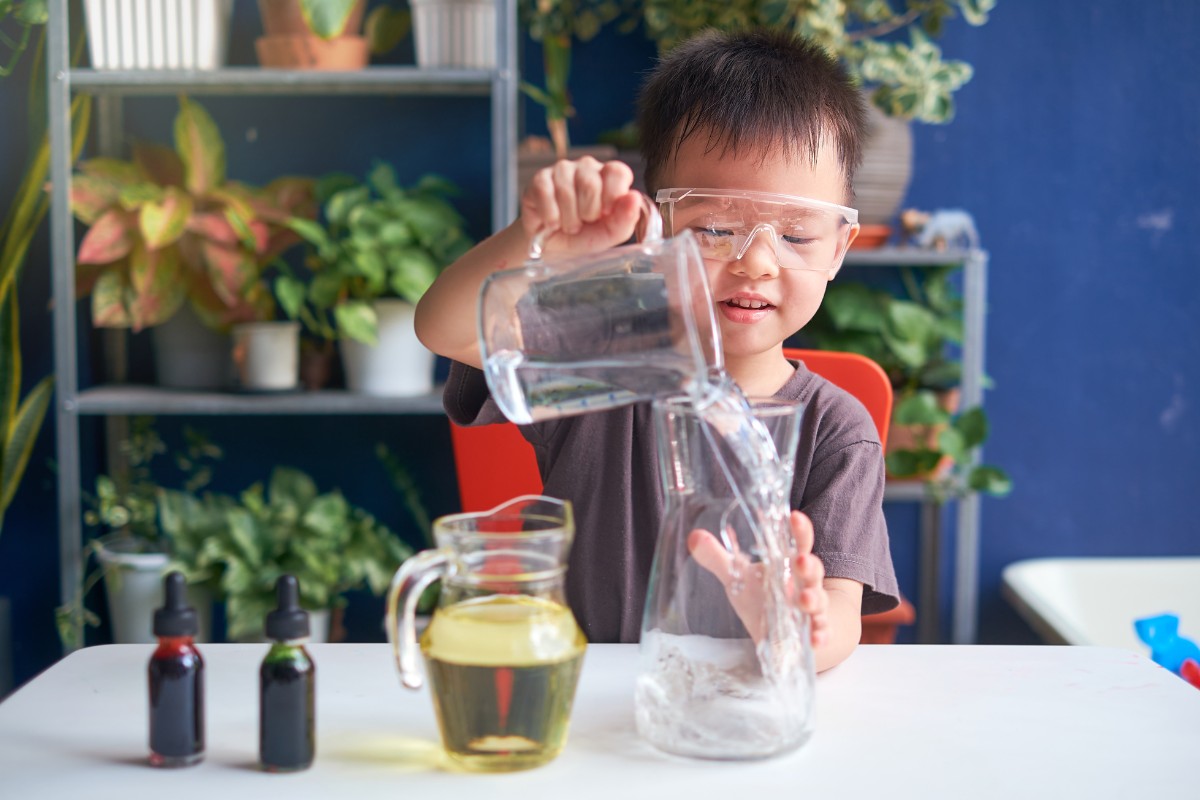
7 Science Experiments to Try With Your Child at Home
Science doesn't need a laboratory. Seven experiments you can run at home with what's already in the kitchen.
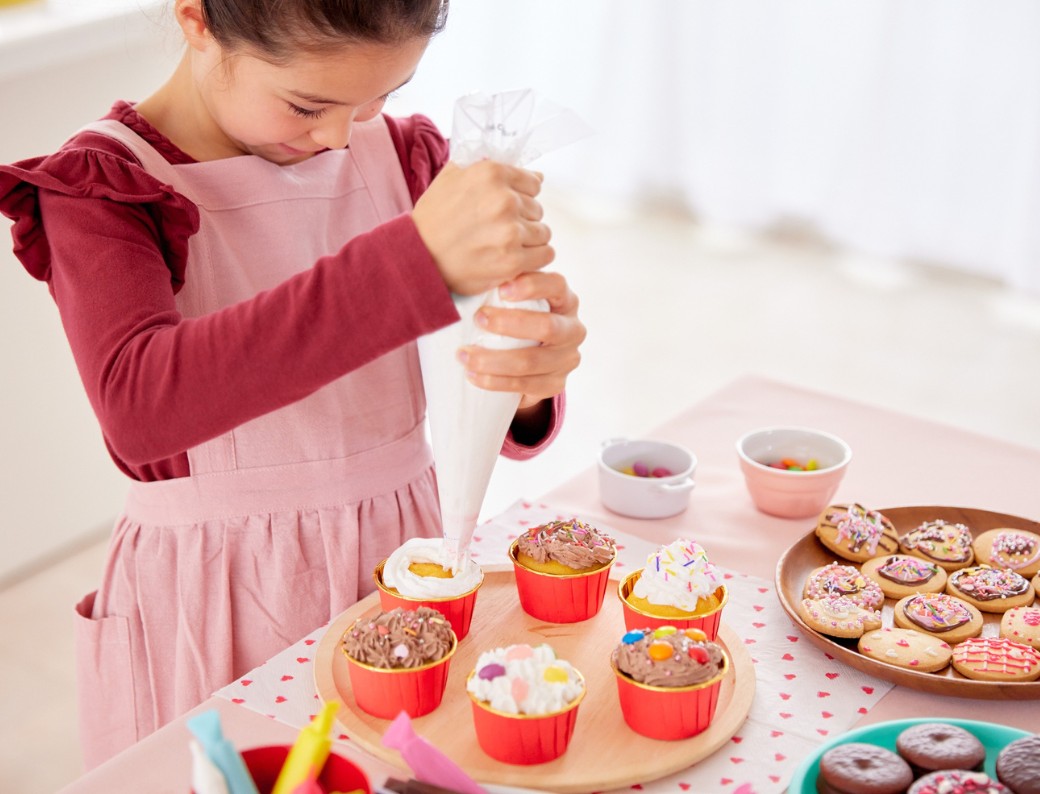
10 Simple Cooking Class Ideas to Try at Home
Cooking together doesn't need to be complicated. Ten ideas by age, from finger food to character bento.

Face Painting Ideas for a Child's Birthday Party
Face painting turns a party into something children remember. Nine themes to choose from, and how to run the session so everyone gets a turn.
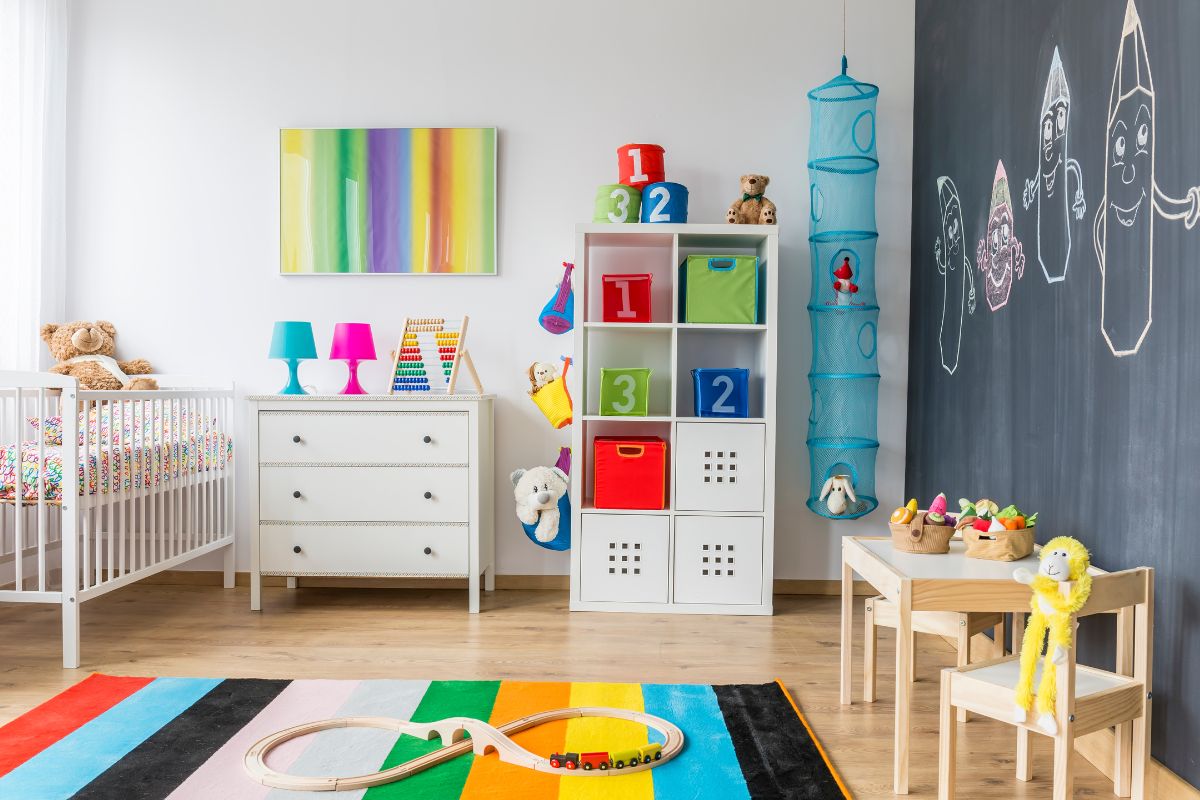
Setting Up a Play Space at Home
A play space is a small laboratory for a child's development, not just tidy storage. Four principles for building one, and five ideas for a small flat.
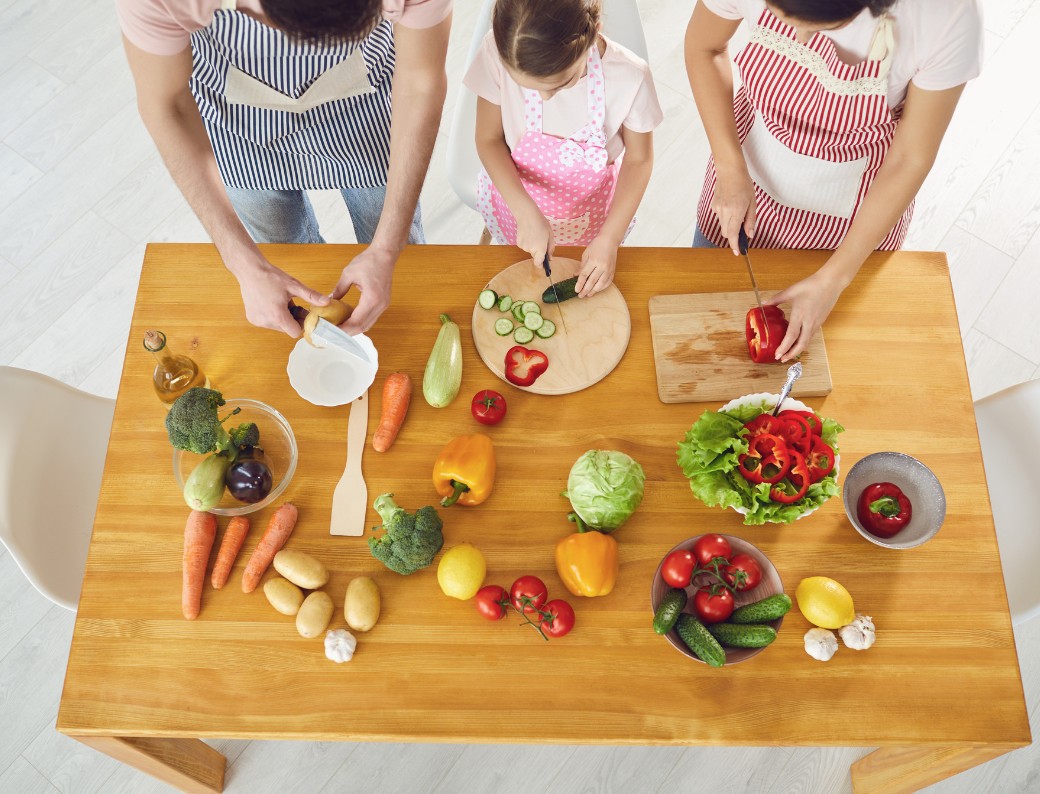
Cooking With Your Child: What It Teaches Them
Children who help cook tend to eat better and try more. Here's what cooking together builds, and how to set it up safely at home.
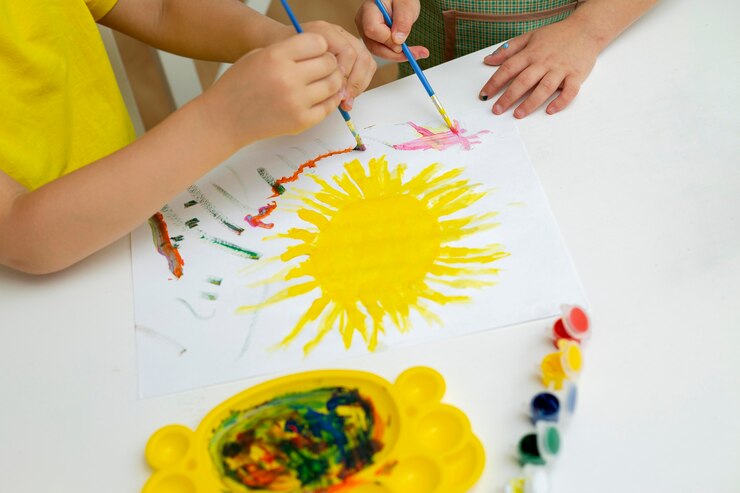
3 Art and Craft Activities to Do at Home
A long holiday at home turns into screen time fast. Here are three craft projects to do together, with materials, steps and suitable ages.
Frequently asked questions
About this editorial hub
Happy Kamper is an AI-powered childcare management platform for preschools, childcare centers, and enrichment academies in Indonesia. Our editorial team blends early-childhood educators, childcare operators from across Indonesia, and product designers who have spent years in the childcare tech space. Every article we publish is written by one of these specialists and reviewed by at least one other person before it goes live.
Pricing quoted in city guides is sourced from current published rates and family surveys conducted in each neighborhood. Regulatory and compliance information is cross-referenced against the original source documents, ECDA licensing guidance, JKM/KPM rules, and dated as of each article’s last update. Our editorial independence is simple: we recommend Happy Kamper when it is the best fit, and we recommend alternatives honestly when an alternative is the better match for your situation.
We welcome corrections and additions. The fastest way to reach the editorial team is through the Connect link in the site header, a team member responds within two business days. The “Updated” badge on each card tells you when an article was last reviewed; we update content whenever evidence, pricing, or regulation changes meaningfully.