

11 Board Games to Play With Your Children
Board games teach strategy, patience and how to lose well. Eleven worth owning, and five things to check before you buy one.
A holiday is a good time to bring a family closer, and playing board games together is among the better ways to do it. They're enjoyable, and there's a real educational and social benefit for children alongside. With the range available now, there's something for every age, which is what makes them work as a family activity.
What Board Games Do for a Child
1. Thinking Skills
Board games develop problem-solving, decision-making and strategy. Playing, a child learns to plan a move, predict the outcome and adjust their approach to win. All of that gives the brain real work and sharpens critical thinking.
2. Social Skills
Board games involve direct interaction, which builds communication, cooperation and the ability to lose without falling apart. They teach sharing, patience and waiting your turn, all of which matter well beyond the table.
3. Family Time
Board games are an excellent way to strengthen a family. Playing together gives you time with your children, a reason to support each other, and memories worth keeping. Those moments do a lot for the emotional bond between everyone involved.
Board Games Worth Owning
1. Monopoly
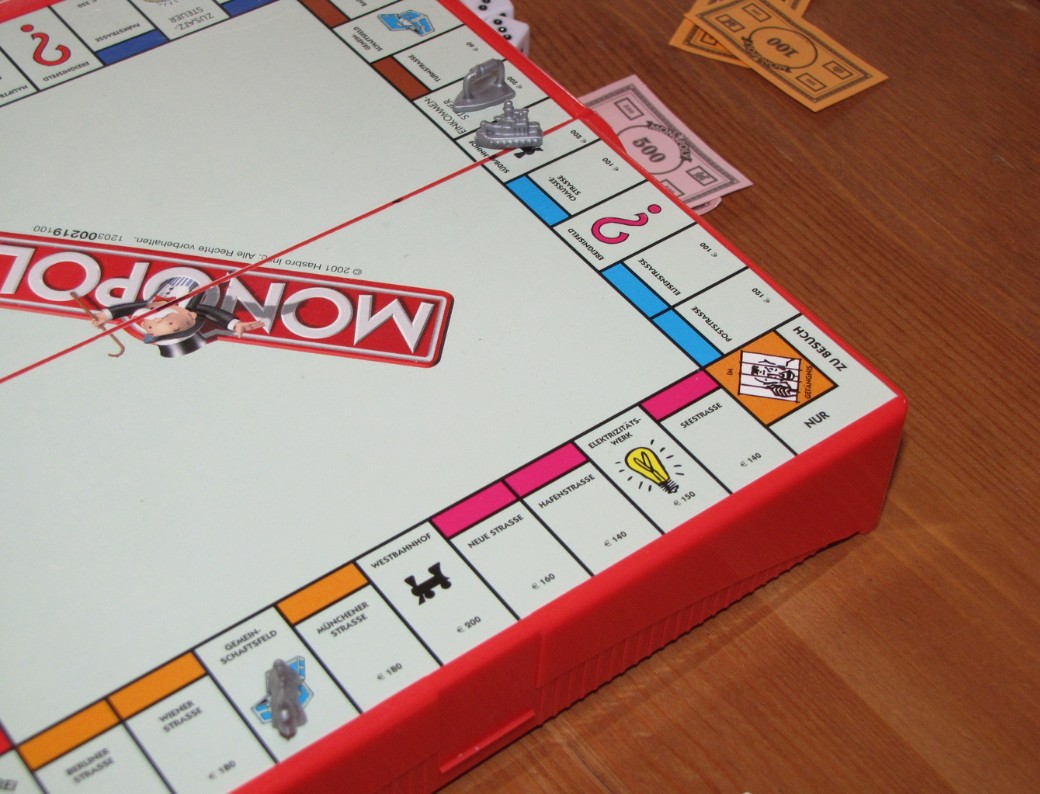
Monopoly is the classic, teaching money, investment and strategy. Players move around the board buying property, building houses and hotels, and collecting from anyone who lands on them.
The aim is to end up richest and bankrupt everyone else. With editions like Monopoly Junior and the City Edition, it adapts to most ages, which is why it stays a family-night favourite.
2. Scrabble
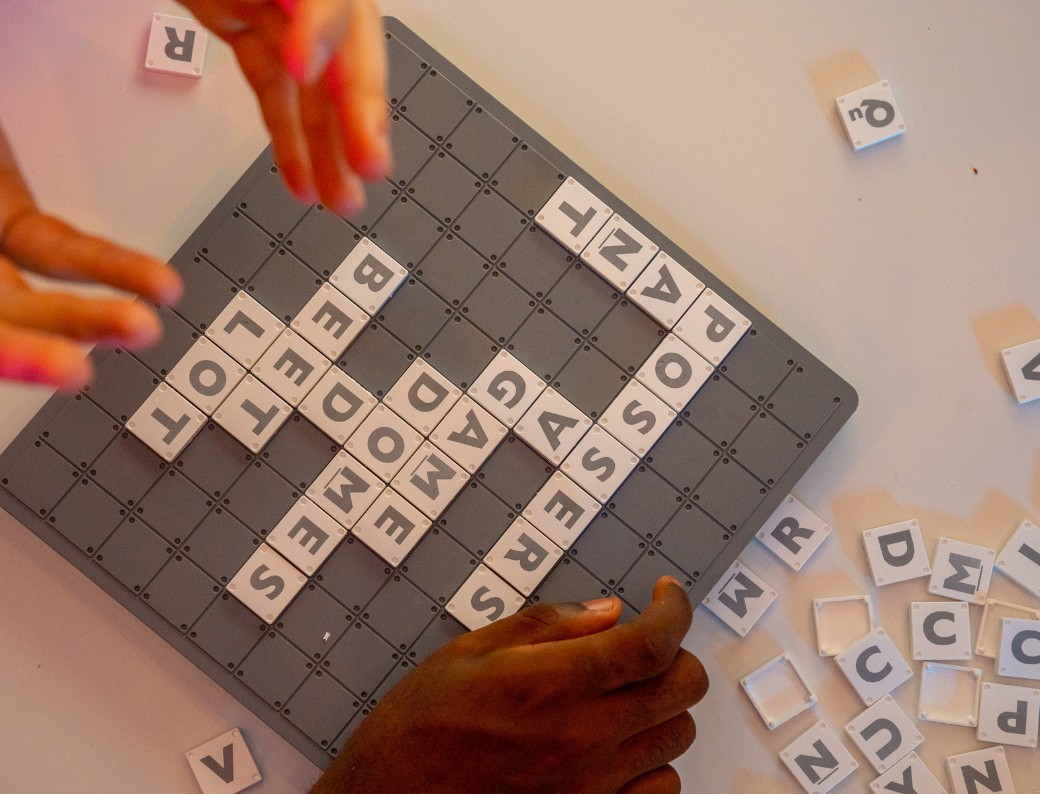
Scrabble is the word game that builds vocabulary and spelling. Players use letters on the board to form words, each letter carrying a point value, and the highest score wins. It sharpens language and creativity at once, which makes it genuinely educational as well as enjoyable.
3. Catan
Catan, previously The Settlers of Catan, is a strategy game where players build and expand settlements while trading resources like wood, brick and grain. Points come from building roads, settlements and cities.
It teaches resource management, planning and negotiation. With the expansions available it stays interesting for any age.
4. Pandemic
In Pandemic, players work together to stop four diseases spreading across the world. Each player has a role with its own abilities, used strategically to find cures before the diseases get out of hand. It teaches teamwork and collective strategy, which makes it a good one for families who like a cooperative challenge.
5. Ticket to Ride
Ticket to Ride has players collecting train cards to build railway routes across a map. Each route has a value, and points come from the length of what you build. With editions covering different continents it doubles as a geography lesson while working planning and management.
6. Ludo
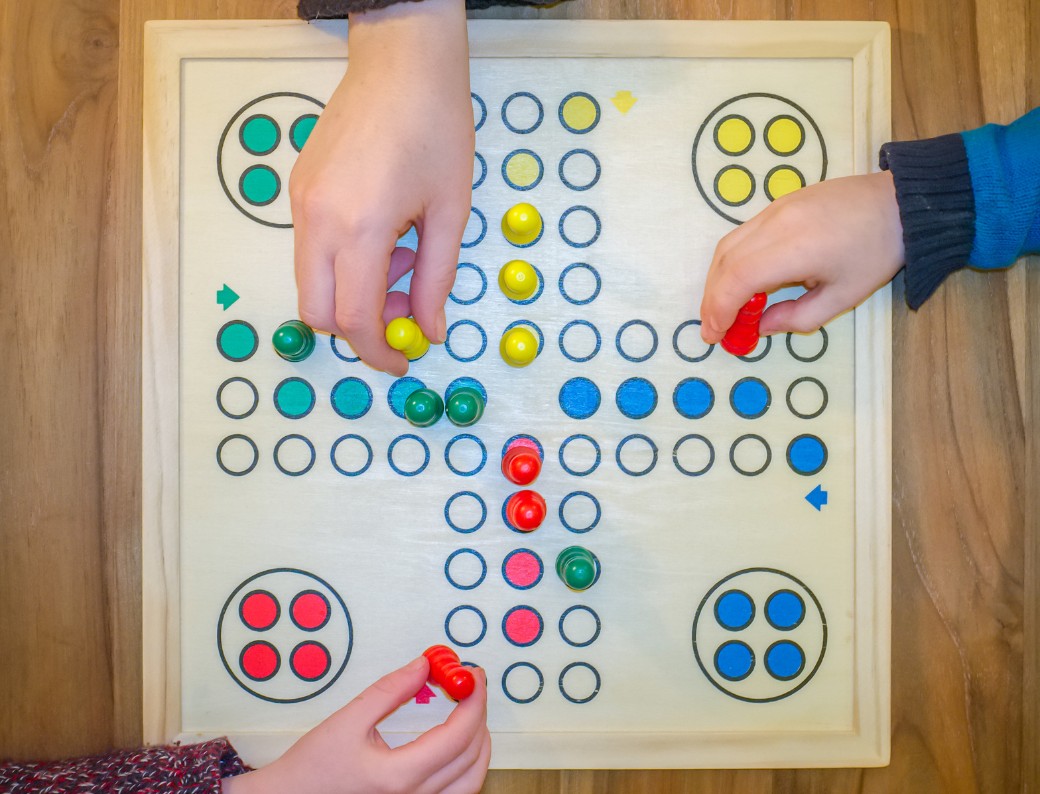
Ludo has been played for generations. Each player has four pieces to move from the start to home by rolling dice, and you can block an opponent or send their piece back to the beginning.
It's simple and genuinely enjoyable, teaching planning, strategy and a bit of luck. The rules are easy enough for any age, which makes it a reliable family choice.
7. Carcassonne
Carcassonne is a tile game where players build a medieval landscape of cities, roads and fields. Tiles have to be placed strategically to create the highest-scoring regions.
Players also place followers, knights, thieves or farmers, to claim territory. It works planning and tactics while teaching children something about geography and history indirectly.
8. The Game of Life
In The Game of Life, players simulate a life from education through to retirement, making decisions about career, marriage, children and buying a house. Every choice affects where they end up and what they're worth. It gives children a way to understand the consequences of a decision in a light, enjoyable setting.
9. Blokus
Blokus is a strategy game where players place coloured polygon pieces on a board, aiming to cover the largest area. Placement takes thought, since each player is blocking opponents while expanding their own territory. It builds spatial thinking and strategy, and it works across ages.
10. Exploding Kittens
Exploding Kittens is a fast card game built on tactics, luck and a certain amount of humour. Players draw cards one at a time hoping to avoid the Exploding Kitten, which knocks them out unless they hold a defuse card. With the variety of action cards it stays unpredictable and reliably entertaining.
11. Clue (Cluedo)
Clue is the detective game, where players work out who committed the murder, with which weapon and in which room. With the range of characters, weapons and rooms, every game plays differently. It develops logical and deductive thinking, which makes it a good fit for older children.
Read also: 5 Educational Toys and What They Teach
How to Choose One
1. Match It to Their Age
Choosing something age-appropriate matters. Every game has its own difficulty and rules, better suited to some ages than others, so check the recommendation on the box. Games for younger children tend to have simpler rules and more visual elements, while those for older ones ask for more strategic thinking.
2. Follow Their Interests
Pick something that lines up with what your child likes. If they're drawn to adventure, Carcassonne or The Game of Life are both good options. A game matched to their interest keeps them far more engaged while playing.
3. Think About Length
Length matters, particularly with younger children or a short attention span. Choose something short enough to hold their interest. Games like Dobble or Ludo run quickly and can be played several times in a sitting.
4. Look at the Educational Value
Board games make good teaching tools. Pick something that entertains and teaches a specific skill, whether that's maths, strategy or teamwork. Blokus builds spatial thinking, while Scrabble builds vocabulary.
5. Check the Pieces
Make sure the components are safe and durable, particularly for younger children. Avoid anything with small parts a toddler could swallow. Better materials also last considerably longer, which matters for something you'll play often.
In Short
Playing board games as a family isn't only entertainment, it does a good deal for how a child develops. They sharpen thinking, social and emotional skills in a setting that's enjoyable and interactive.
Choose well and you give a child an experience that teaches without them noticing. There are more educational activity ideas listed on Happy Kamper.


