
7 Science Experiments to Try With Your Child at Home
Science doesn't need a laboratory. Seven experiments you can run at home with what's already in the kitchen.
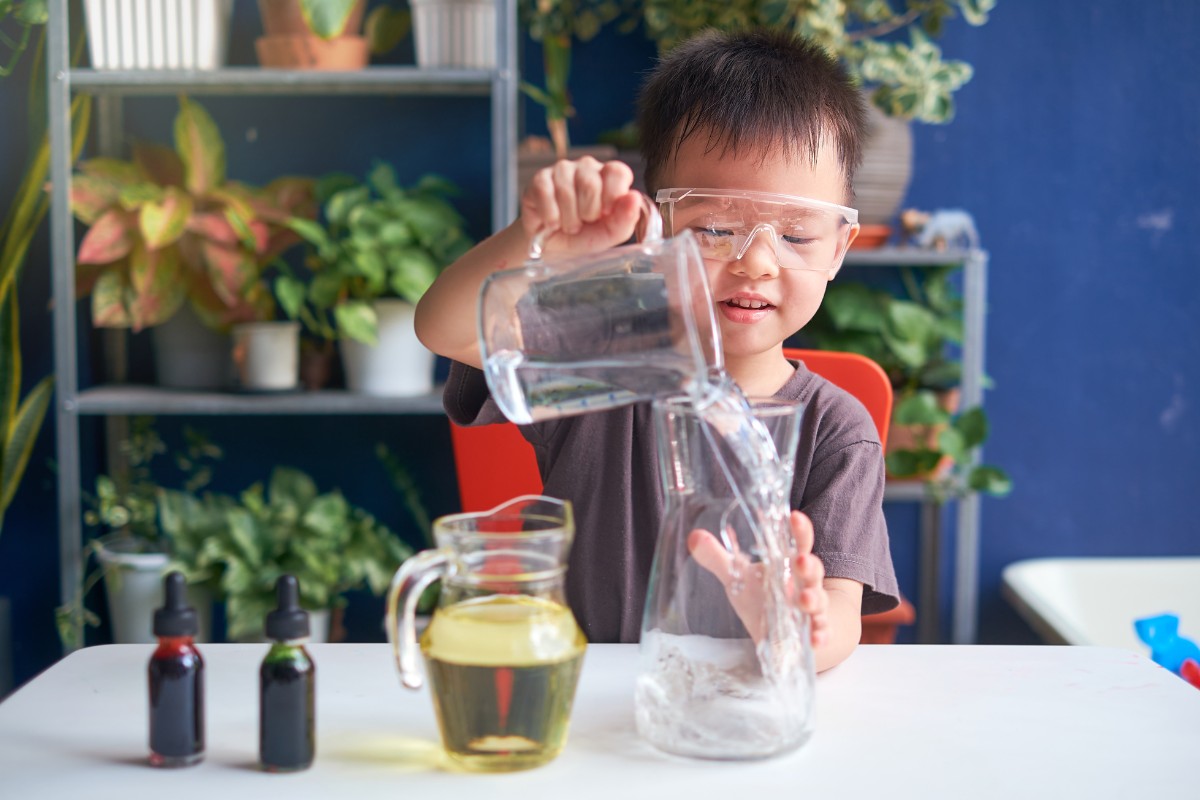
Learning science doesn't have to mean a thick textbook or a fully equipped laboratory. Through simple, enjoyable science experiments, you can introduce your child to science at home using everyday materials. They end up learning a great deal without noticing they're doing it.
Established science organisations like the American Chemical Society (ACS) actively develop programmes and experiments designed for children. The aim isn't only introducing a scientific concept but building curiosity and critical thinking early. Activities like these also make good time together, learning and laughing at home.
Seven Experiments Worth Trying
An experiment doesn't have to involve a complicated chemical reaction. With an enjoyable, interactive approach you can run simple experiments that get your child's curiosity going. Through them, a child picks up a scientific concept without feeling they're being taught anything.
They'll laugh, be surprised, and ask why it happened, which is exactly what curiosity developing looks like. Here are seven to try at home.
1. A Lava Lamp From Oil and Fizzing Tablets
This one looks like a magic trick but it's pure science. All you need is an empty bottle, cooking oil, water, food colouring and an effervescent tablet such as an antacid.
Mix water and food colouring in the bottom of the bottle, then pour in oil until it's nearly full. Drop in the tablet and you get a lava lamp effect moving up and down, caused by the difference in density between water and oil along with the carbon dioxide from the tablet.
2. An Egg Floating in Salt Water
This classic explains density well. Take two glasses of water, add salt to one and leave the other plain, then put an egg in each and watch what happens.
The egg sinks in plain water but floats in the salt water, because salt water is denser. Alongside being enjoyable, it opens up a conversation about the Dead Sea or why anything floats at all.
3. A Rainbow in a Glass
For this one you need sugar, water and food colouring. Make sugar solutions at different concentrations, from very sweet to barely sweet, and colour each one. Then pour them slowly into a tall glass, starting with the sweetest.
Poured carefully, the colours settle into rainbow layers. It's an enjoyable way to introduce liquid density, and children generally love how it looks.
4. Milk Fireworks
Use a flat plate, milk, food colouring and washing-up liquid. Drop food colouring into the milk, then add a drop of washing-up liquid in the middle, and the colour spreads out like a firework.
This one demonstrates how surface tension works. The soap breaks down the fat in the milk, which moves the liquid and spreads the colour. It suits younger children who respond to something visual.
5. Magnets and Everyday Objects
Take a magnet and a few things from around the house, a paperclip, a plastic spoon, a rubber band and a coin. Ask your child to predict which the magnet will pick up, then test them one at a time.
This introduces magnetism while practising classification. A child learns through play and usually starts asking why some things are attracted and others aren't.
6. A Balloon That Inflates Itself
Use a bottle, bicarbonate of soda and vinegar. Put the vinegar in the bottle and the bicarbonate into the balloon with a funnel, fit the balloon over the bottle, then let the powder drop into the vinegar.
The reaction between bicarbonate of soda and vinegar produces carbon dioxide, which inflates the balloon on its own. It's an entertaining one and children find it genuinely surprising.
7. Tin Can Telephones
Take two empty cans and a decent length of string. Make a hole in the bottom of each can, thread the string through and knot it. Two children can then talk through the cans across a distance and still hear each other.
This introduces sound waves and how sound travels through a solid object. Children are usually impressed that something this simple works as a telephone.
Read also: What Science Experiments Do for a Child at Home
Staying Safe While You Experiment
Running experiments at home is enjoyable, but it needs supervision and a bit of care. Here are the things worth setting up first so it stays safe as well as fun.
Stay with your child while they experiment
Simple as an experiment looks, it still needs an adult present. Stay with your child while they mix something, stir a solution or wait for a reaction.
Alongside safety, having you there leaves a child more confident and readier to try something new. It also makes for genuinely good time together, since they can ask anything and stay curious without any nervousness about it.
Use materials suited to their age
Choose an experiment that matches your child's stage, since every child is at a different one. Younger children should be working with things that do no harm if swallowed or spilled on skin, like water, soap or food colouring.
Avoid anything sharp, hot or involving household chemicals. The right experiment keeps a child focused, comfortable and safe throughout.
Set aside a space for it
Set up somewhere tidy and contained for experimenting, whether that's part of the garage or the back terrace. Put down plastic or old newspaper to catch anything that spills and protect the surface.
If you can, make one corner of the house a small laboratory, with measuring spoons, plastic cups and tissue to hand. That teaches a child that every activity has its own place and rules, along with the responsibility of clearing up afterwards.
Set the ground rules first
Take a moment before starting to explain the basic safety rules. No tasting anything, no touching the face or eyes with dirty hands, and washing hands afterwards, with goggles or a mask available where it makes sense.
Simple as those sound, they matter for keeping a child safe. They also train a child to think logically and take responsibility, both of which come out of doing science properly.
Put everything away properly
Clear up all the materials and equipment once you've finished. Anything like vinegar, bicarbonate of soda or liquid soap should be resealed and stored where a child can't reach it, which prevents unsupervised use later. Clearing up is part of the learning too, since a child sees that an experiment isn't only about the result but about handling the whole process responsibly.
That covers seven science experiments you can try at home. Simple as they are, they add a great deal to how a child learns, and they do it enjoyably.
Where to Take It Further
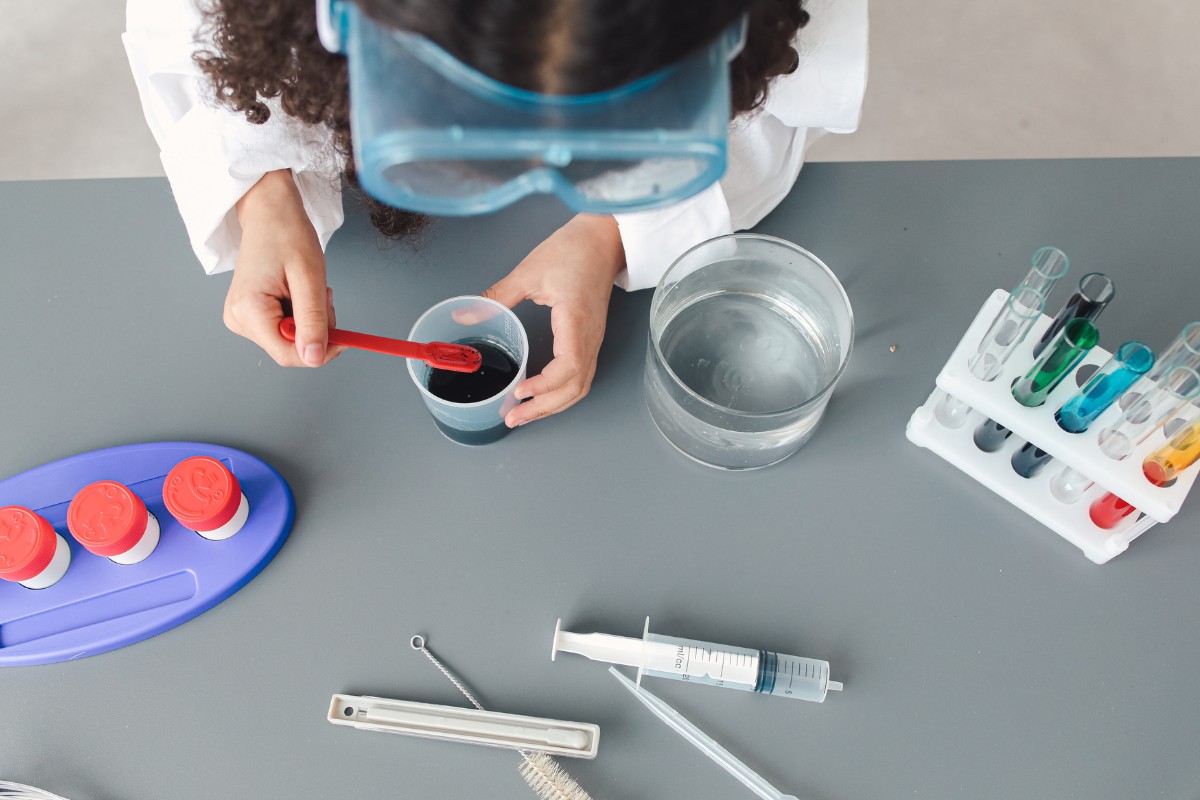
If you want to take your child's science further, Rumah Sains Indonesia is worth considering. It was founded by Agustino Zulys with a team from the science faculty at Universitas Indonesia, set up to promote and accelerate science education across the country.
It has offered a range of science education programmes designed for children, including curriculum-based experiment classes and in-school activities for primary pupils. The aim is giving children enjoyable hands-on experience while building a scientific way of thinking. For current programmes, schedules and fees, check their official site directly, or book a trial class through Happy Kamper.
Beyond science classes there's plenty else worth exploring. Other activity ideas are listed on Happy Kamper.