
What Science Experiments Do for a Child
Baking soda and vinegar is the least of it. Here's what science experiments build in a child, and how to start at home without spending anything.
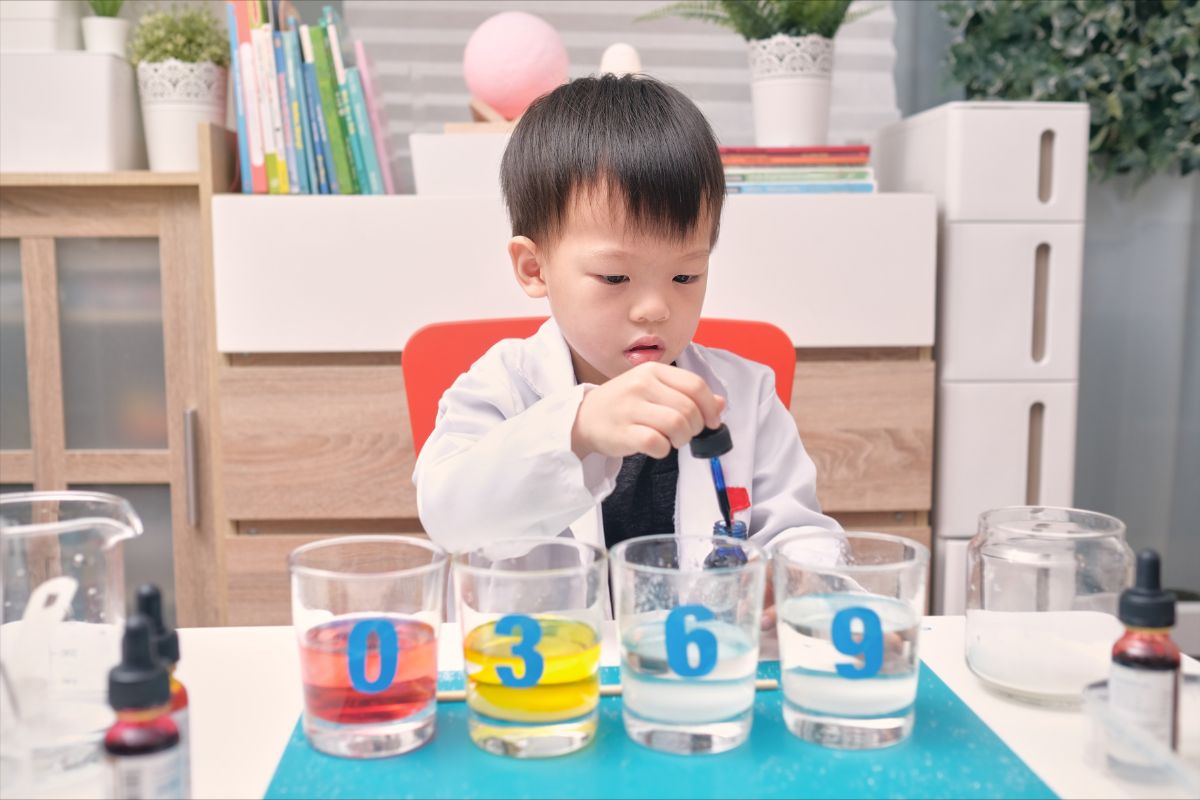
The benefits of science experiments go well past setting off a reaction or inflating a balloon with baking soda. They build critical thinking, real curiosity and problem-solving from an early age. According to the National Science Teaching Association (NSTA), children involved in science activities early tend to have stronger logical thinking and literacy.
Research also suggests exploratory learning of this kind supports empathy, curiosity and social cooperation. So it isn't only entertainment, it has a real effect on how a child develops.
Seven Benefits of Science Experiments
Plenty of parents wonder what the long-term effect of making a lava lamp or freezing water in minutes actually is, beyond the fun of it. There's a good deal behind the fun, and here it is one at a time.
1. Critical Thinking
Running an experiment asks a child to observe, analyse and draw a conclusion from what they did. That trains them to question rather than simply accept, asking why something happened and what would change if they altered an ingredient.
That's the foundation of critical thinking, and it's useful daily as much as academically, because a child gets used to deciding from logic rather than guessing or copying. Over time they think more independently and more carefully.
2. Natural Curiosity
Children are explorers by default, and their appetite for anything new is enormous. Science experiments give that curiosity somewhere to grow.
Watching baking soda and vinegar produce bubbles, a child immediately wants to know why. That's the ideal moment for learning science without any pressure attached. A child comes to see that learning is enjoyable, and their curiosity keeps developing from there without them noticing.
3. Problem-Solving
Experiments don't always go to plan. Sometimes the result is different from what was expected, sometimes it fails outright.
That's where a child learns to try again, review the steps and find another approach. They build the habit of not giving up easily, and learn that a mistake is part of the process. That's the basis of problem-solving, which matters in education and in their social and emotional life alike.
4. Patience and Consistency
In a world geared to speed, it matters that a child learns not everything is instant. Experiments teach them to wait for a result, repeat an attempt, record what changed and follow the steps properly.
That builds patience and consistency in pursuing something. Even when an experiment fails they're pushed to try again, which introduces persistence through something enjoyable.
5. Motor Skills and Coordination
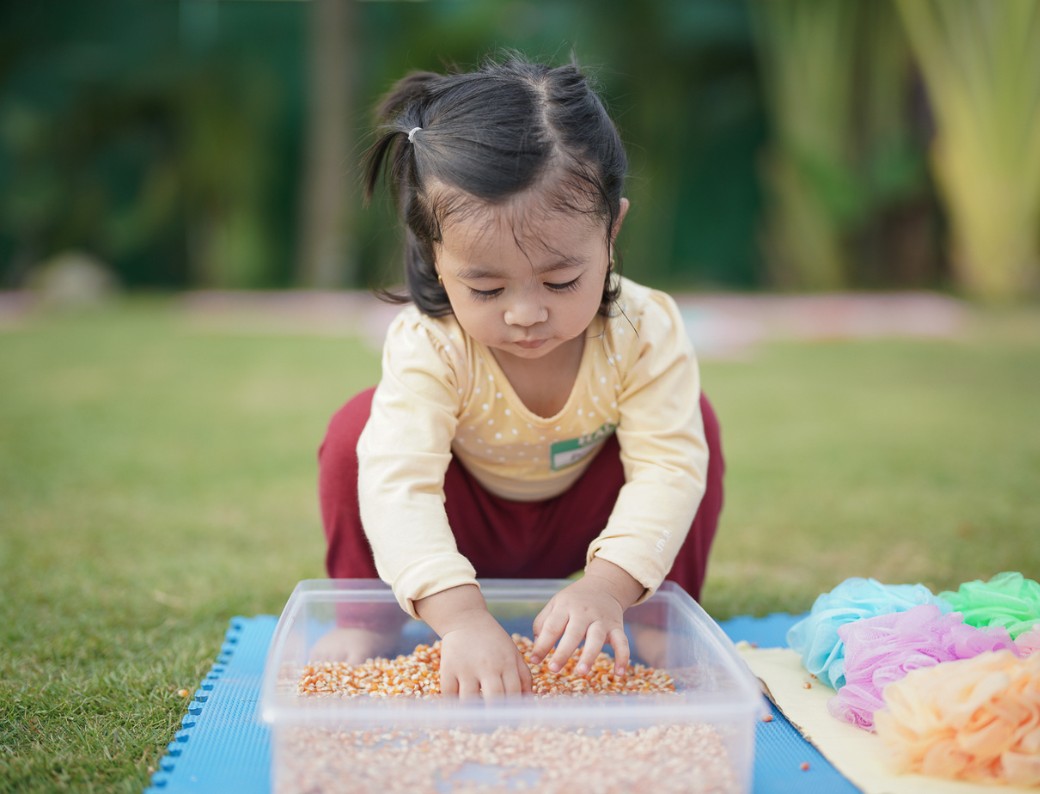
Science activities usually involve pouring, stirring, measuring and handling simple equipment. Those movements work a child's fine motor skills directly, particularly for toddlers and pre-schoolers.
They also build hand-eye coordination when several things happen at once. That feeds into everything else they do, writing, drawing and building a toy included.
6. Cooperation and Communication
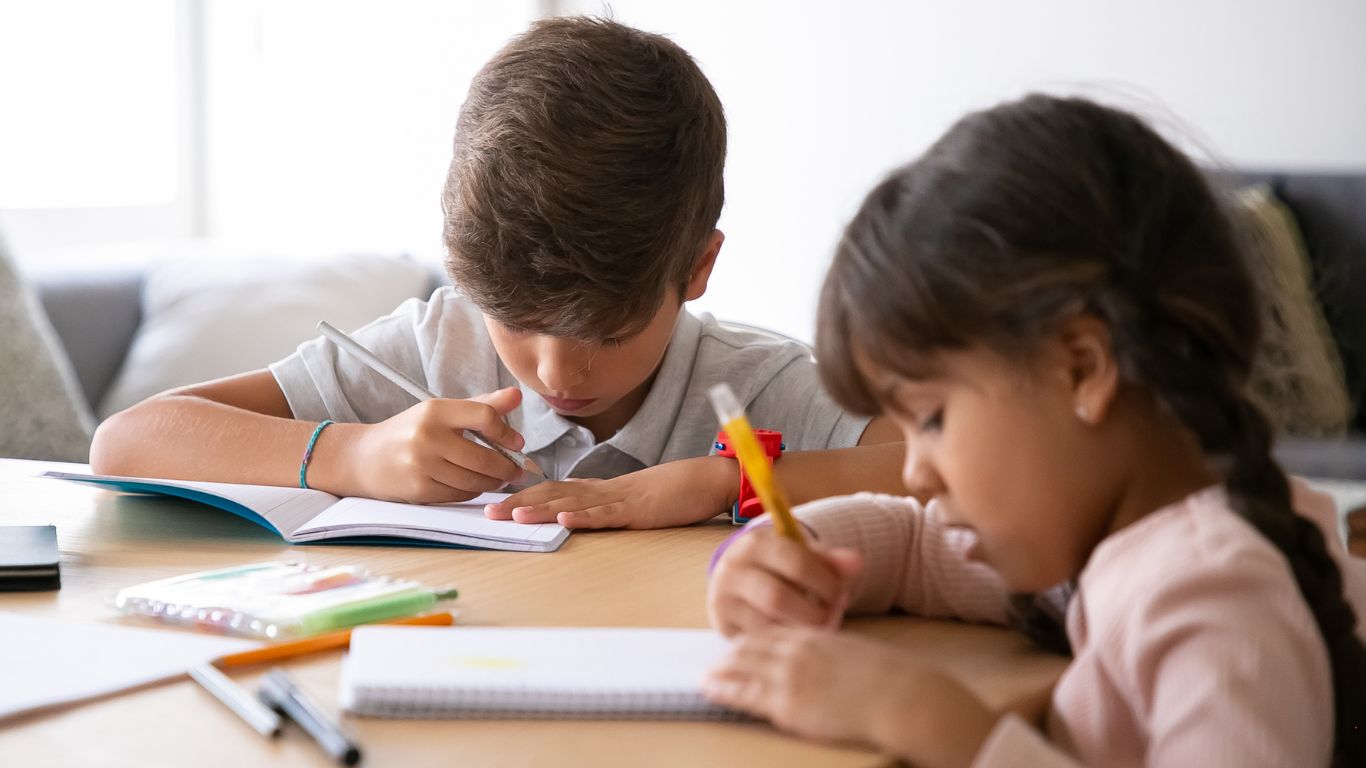
Experiments don't have to be done alone, and they're better with a sibling, a friend or a parent. A child learns to divide up the work, put an idea across and listen to someone else's.
That builds social and communication skills early, and along the way a child comes to understand why collaboration and empathy matter. Both are worth having before formal schooling starts.
7. An Early Introduction to Science
Science often gets treated as difficult or dull. A simple, enjoyable experiment shows a child it's interesting and full of surprises instead.
They grasp basic concepts like changes of state, gravity or a chemical reaction far more readily. More importantly, they build a positive association with science early, which can shape a long-term interest and even where they end up studying.
How to Start at Home

None of this has to be complicated or expensive. What matters is that it's enjoyable and safe, and here are three things that help.
1. Start Simple
Use what's already in the house, water, vinegar, baking soda or washing-up liquid. Children take to an experiment that looks magical but is still explainable, and something that simple is a good way in.
2. Involve Them in the Preparation
Have your child help gather the materials, read the instructions, or guess what will happen. Alongside building confidence, it teaches responsibility and following instructions. It also makes them feel they have a real part in it rather than watching you work.
3. Focus on the Process
With children, the result often misses what was expected, and that's where the learning is. Help them reflect on what happened and talk through why.
That's what strengthens analytical thinking and problem-solving. The outcome matters far less than the conversation about it. If you want ideas, there's an earlier article on science experiments to try at home, all of them straightforward.
Introducing a child to science experiments early brings a good deal with it, from logic and curiosity through to empathy and cooperation. Through something this exploratory, a child learns a great deal while playing.