

How to Choose a Safe Play Space for Your Child
Not every playground is genuinely child-safe. Seven criteria worth checking before you let a child loose.
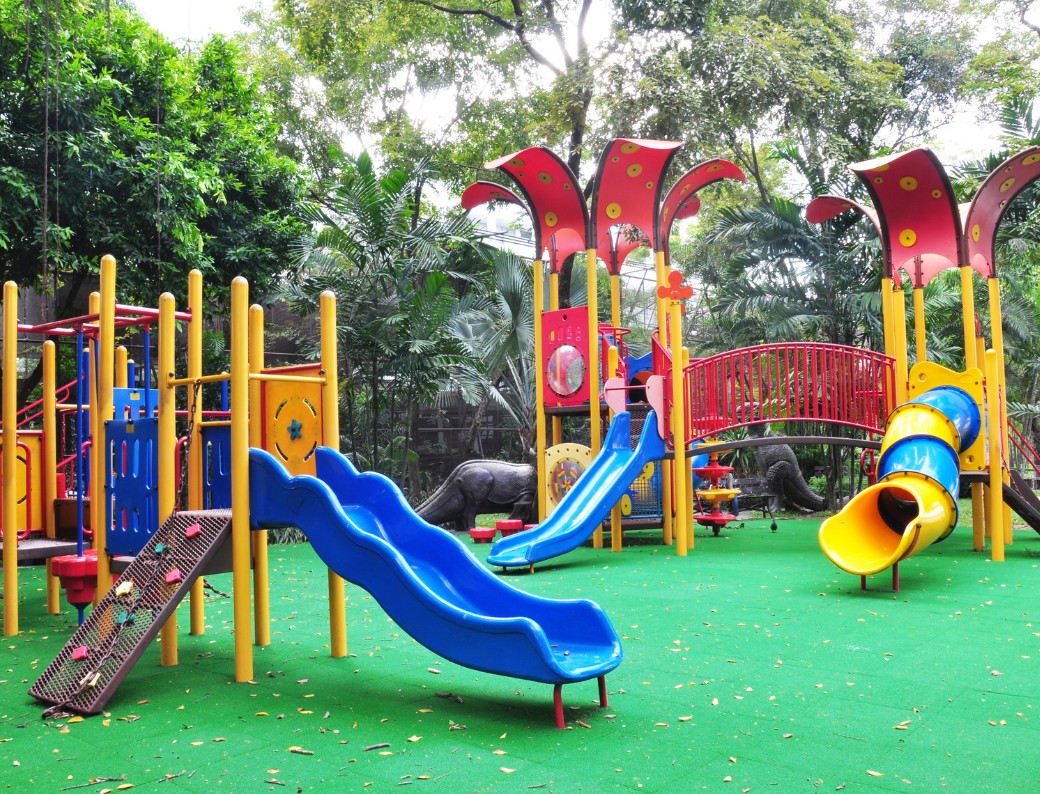
Every parent wants their child playing somewhere safe and comfortable. There's no shortage of play spaces now, indoor and outdoor, each offering its own set of attractions. Before letting a child loose though, it's worth choosing the place carefully so the visit stays enjoyable without a risk of injury.
Research indicates playgrounds do a good deal for a child, from motor skills through to social development. Not every playground is genuinely child-friendly though, and there are more factors to check than most people expect.
Here are the criteria worth applying before choosing somewhere for your child.
1. Clear Safety Standards
Before choosing a play space, make sure it meets recognised safety standards. A good playground generally has equipment carrying safety certification such as ASTM or EN. Check the equipment is made from something safe and solid, and that staff are supervising to prevent accidents.
2. Safe Flooring
Hard or slippery flooring is one of the main causes of injury at a playground. Choose an indoor or outdoor play space with a soft surface, whether that's rubber, artificial grass or fine sand. Avoid concrete or tiled floors, which carry a high risk if a child falls, and step on the surface yourself to check it absorbs an impact.
3. Equipment That Suits Their Age
Choose a playground matched to your child's age, since motor ability varies considerably between them. Checking the age label on each piece of equipment is the simplest guide. Avoid anywhere with equipment that's too high or too complex for a toddler, which raises the risk of a fall.
4. Cleanliness
Cleanliness is the next criterion. Make sure the place holds to a proper standard, with regular cleaning and sterilising, particularly for an indoor space where viruses and bacteria spread more easily. Check there's somewhere to wash hands or hand sanitiser available nearby.
5. Supervision
Alongside safe equipment, a playground needs attentive, approachable staff watching the area. Parents also need to be directly involved in that supervision. Keep an eye on your child while they play so you can act quickly if something happens.
6. Airflow and Space
For an indoor playground, check the airflow so a child isn't left feeling stifled. For an outdoor one, a large and uncrowded area is safer, since a child can play freely without running into anyone.
Read also: Well-Equipped Play Parks Worth Visiting
7. A Toddler Area
If your child is under three, choose a playground with a dedicated toddler area. A play zone matched to their development matters a great deal here. These areas usually have safer equipment, whether that's a lower slide, a ball pool or soft toys.
What the Right Play Space Does
So why does choosing carefully matter? Because a child only gets the full benefit when the activity actually suits them. Here's what the right one does.
It Builds Motor Skills
Playing at the right playground improves a child's motor skills. Through swings, slides and see-saws they learn to control their body, improve their balance, and coordinate their hands and feet. A varied set of equipment also lets them explore a range of physical activity naturally.
It Supports Social Interaction
A playground isn't only somewhere to play, it's where a child learns to interact with others their own age. Playing together, they learn to share, take turns and read how someone else feels. Choosing a child-friendly space helps them develop social skills they'll use for life.
It Encourages Creativity
Plenty of modern playgrounds include interactive equipment that pushes a child to think creatively. An educational play space lets a child pretend to be a character, build something from sand, or set up their own obstacle course. All of it feeds their imagination.
It Reduces the Risk of Injury
Choosing a certified play space minimises the risk of injury from unsafe equipment. Soft flooring, solid equipment and proper safety facilities give a child real protection while they play.
It Keeps Them Active
Playing outdoors keeps a child considerably more physically active than sitting at home with a device. A playground offering some physical challenge pushes them to move more, which is good for their health.
It Builds Confidence
When a child manages a new piece of equipment, or works up the nerve to try something they'd avoided, their confidence rises. A safe playground is what lets them explore and build that nerve in the first place.
It Reassures Everyone
A clean, well-maintained playground meeting proper standards reassures the child and the parent alike. Choosing the right one means you can relax while your child plays freely.
Choosing Well
Knowing why choosing a play space carefully matters, you can weigh safety standards, age-appropriate equipment and cleanliness before deciding. That's what lets a child enjoy themselves without you worrying about it.
For play spaces in Jakarta and other cities, the Happy Kamper app is worth a look. It lists options with locations and current prices shown.


