

How to Teach Your Child to Read at Home
Children introduced to books early tend to be more confident at school. Here are seven steps for teaching reading at home, and the tools that help.
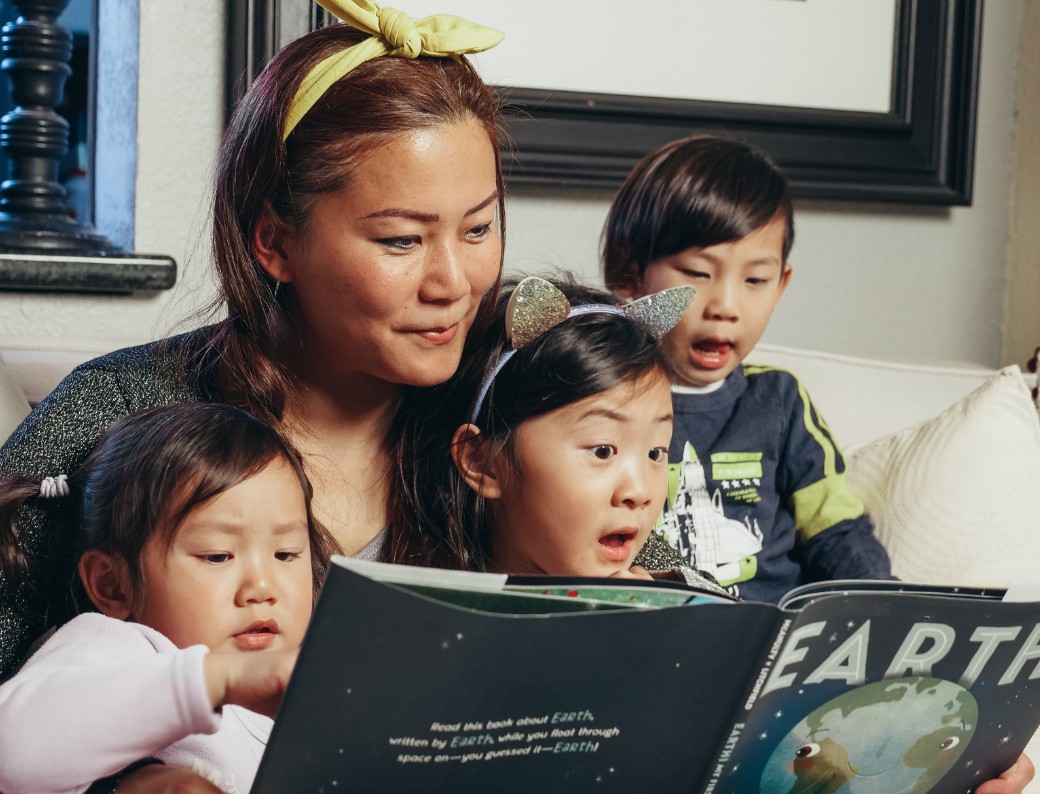
Teaching a child to read at home is among the more rewarding things a parent does. It supports how they develop and builds a closer relationship at the same time.
Reading and writing get taught at kindergarten, but starting at home is better. Beyond learning their letters, a child comes to enjoy reading as part of ordinary life.
Children introduced to books early tend to be more confident at school and stronger cognitively. That makes teaching reading at home a genuinely important first step.
Why Teach Reading at Home?
1. It Builds Literacy Early
Learning to read early isn't only about recognising letters and words. It lays the foundation for everything literacy-related that follows.
A child who reads regularly has a wider vocabulary, communicates better, and arrives at school readier for the work. Introducing books and letters early teaches them that reading is both enjoyable and useful.
2. It Becomes a Daily Habit
Teaching reading at home is a chance to make it part of a child's routine. Fifteen or twenty minutes before bed each evening is enough.
Done that way, a child learns to read and grows closer to you at the same time. Both come out of the same habit.
3. You Can Follow Their Interests
Reading at home gives you the flexibility to notice what actually holds your child. Are they drawn to classic fairy tales, animals or vehicles?
Choose books that match and they'll be far keener, and reading starts to look enjoyable rather than compulsory. It also lets you track their progress without applying pressure.
4. It Builds Confidence
A child used to reading with a parent at home tends to be more confident using that skill elsewhere, at school or with friends. With full support behind them they feel calmer and less pressured. It also teaches a child that learning can be enjoyable rather than something to dread.
5. It's Time Together
Teaching reading at home is a good way to build closeness. You can use it to listen to whatever your child wants to tell you, and to laugh at the same things.
Those moments turn into the memories that last. Reading stops being only educational and becomes something that holds the family together.
So that's why it's worth doing at home. Here's how.
Seven Steps for Teaching Reading at Home
1. Start With Letters and Sounds
Start by introducing letters and the sounds they make. Begin with the simple ones, A, I and U, then move to easy consonants used constantly, B, D and M.
Use flashcards, an alphabet song or an educational video to keep it enjoyable. Have your child say each sound aloud, which is what connects the symbol to the sound and forms the foundation of reading.
2. Make Reading Together a Habit
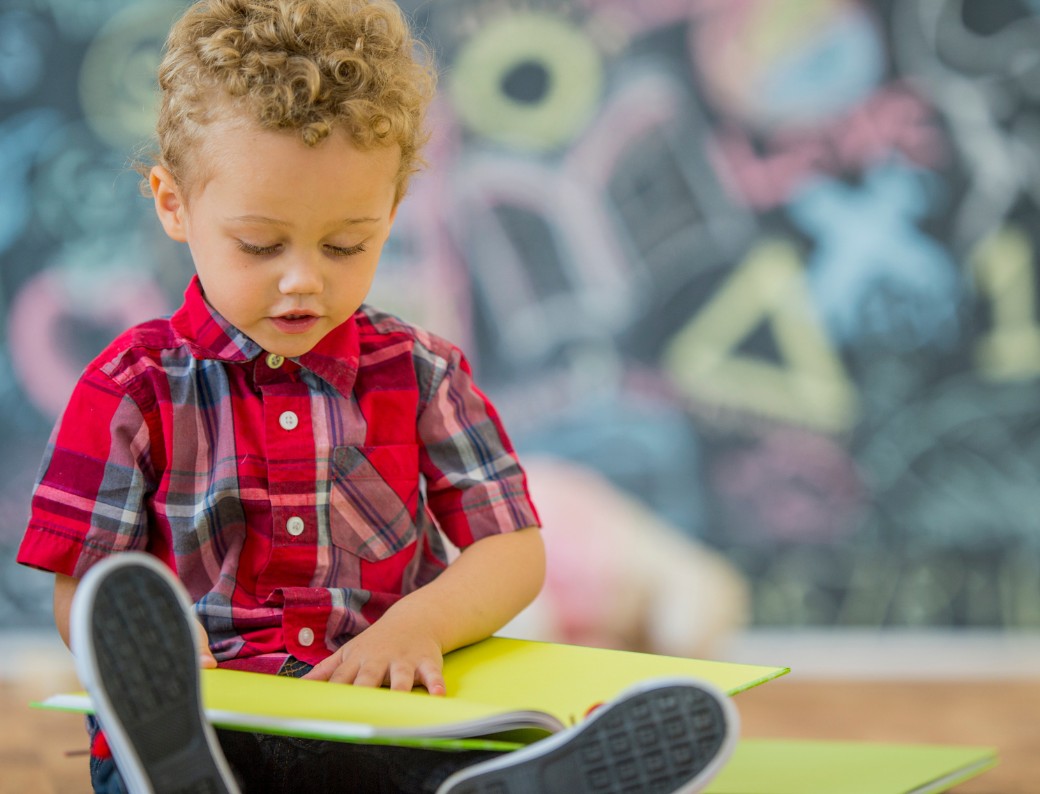
A child used to reading turns it into a routine they enjoy, so set aside time each day to read together. Pick picture books with a simple story that holds their attention.
Beyond teaching them to read, it creates time together worth having. Reading daily also has a child picking up word and sentence patterns naturally.
3. Turn It Into a Game
Learning doesn't have to be serious. Try simple games, making word cards, letter puzzles or matching words to pictures.
You could make a card with a picture of an apple and write "apple" underneath, then ask your child to match it. It keeps reading practice from turning into a chore.
4. Read With Expression
Films work because the actors deliver their lines with feeling and the right intonation. Reading aloud is no different, and children love a story that's alive.
Use a different voice for each character, or emphasise particular words. The story becomes far more engaging, a child follows it better, and the words you stressed are the ones they remember.
5. Praise Them
When your child manages a word or a sentence, say so. Positive support makes them feel recognised and keeps them motivated to learn more.
Don't push or apply pressure when they're struggling. That's the fastest way to lose their interest altogether.
6. Read Through the Day
Reading doesn't have to mean books. Bring your child into it during ordinary activities, reading product names on packaging, road signs, or a menu if they're ready for it.
Shopping together, have them read the labels, "milk" or "bread". A child comes to see reading as a genuinely useful skill rather than a school exercise.
7. Follow Their Pace
Every child learns at a different rate, so avoid comparing yours with anyone else's. If they prefer dinosaurs to science, find books about dinosaurs. A child given something that matches their interest is more enthusiastic and more confident about carrying on.
Tools That Help
Here are five things worth having to hand when teaching a child to read at home.
Picture Books
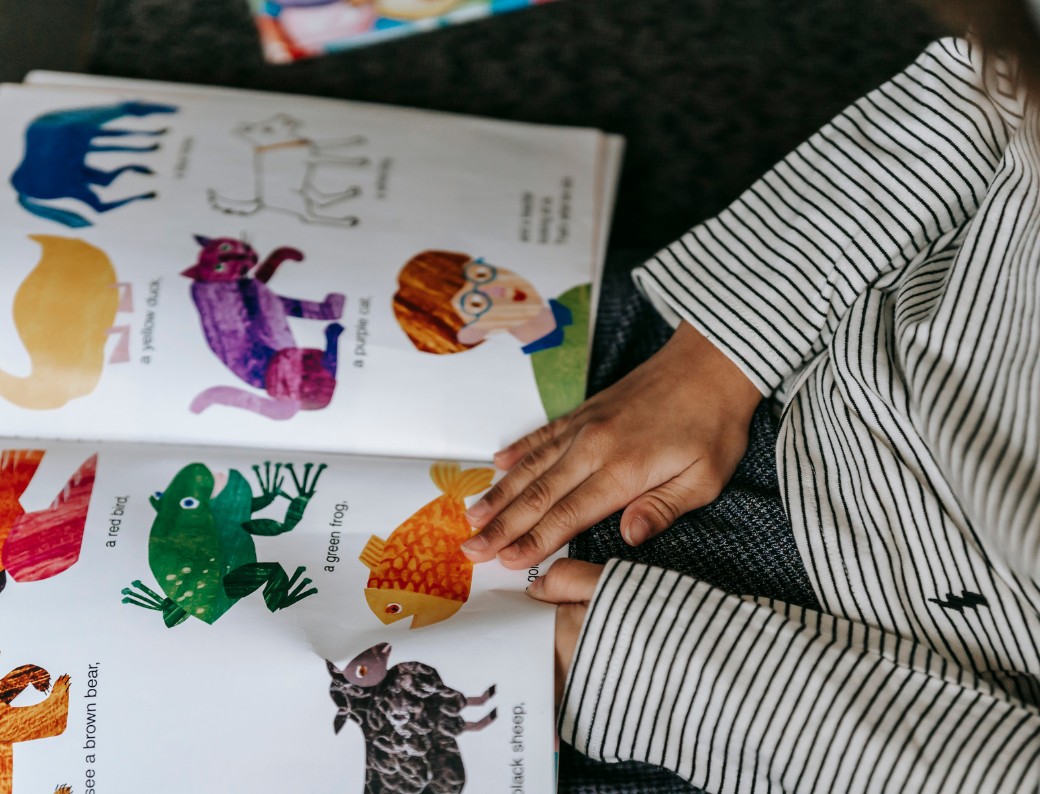
Picture books are the most effective way into reading. Look for appealing illustrations, large text a child can read easily, and a simple story.
Story collections like Cerita 1001 Malam or the Buku Pintar Anak series work well. The pictures help a child connect a word to its context, so the story lands faster.
Letter and Word Flashcards
Flashcards are a practical way to introduce letters and words visually. You can make them yourself, though a bought set usually covers more words.
Use picture cards, a duck with a large "D" above it for instance. Turning it into a guessing game makes the practice more interactive.
Interactive Reading Apps
Educational apps are worth using too. Epic and Lingokids both offer reading activities with animation and sound.
Stay with your child while they use one, so it stays learning rather than only playing. Keep an eye on screen time as well.
Magnetic Letters
Magnetic letters make learning to read feel like play. Stick them on the fridge and ask your child to spell something simple like "mama" or "ball". It has them recognising letters and building vocabulary at the same time.
Songs and Educational Videos
There are plenty of alphabet songs that help a child remember letters. You'll find educational videos teaching letters and words through animation.
Choose something short and suitable for their age. Length matters more than content at that stage.
Ready to Start?
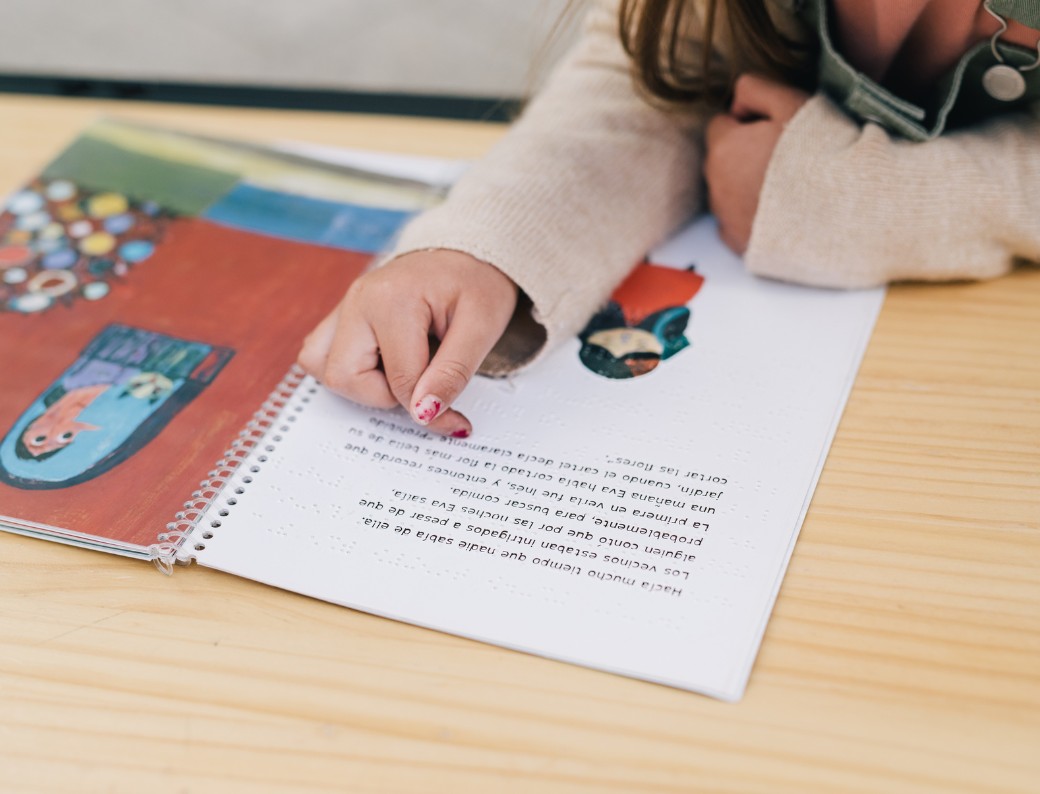
Teaching a child to read at home is an important thing to do for their development. Introduce the letters, build the habit, and keep the method enjoyable, and a child takes to it far more readily.
Keep the support positive and match the activity to their interests and ability. Every child learns at their own pace, so it's worth enjoying the process rather than rushing it. For more ideas on activities for children, have a look at Happy Kamper.


