

What Playing With Slime Does for a Child, and How to Choose a Safe One
Slime works fine motor control, focus and creativity at once. Here's what it does for a child, and how to pick one that's safe.
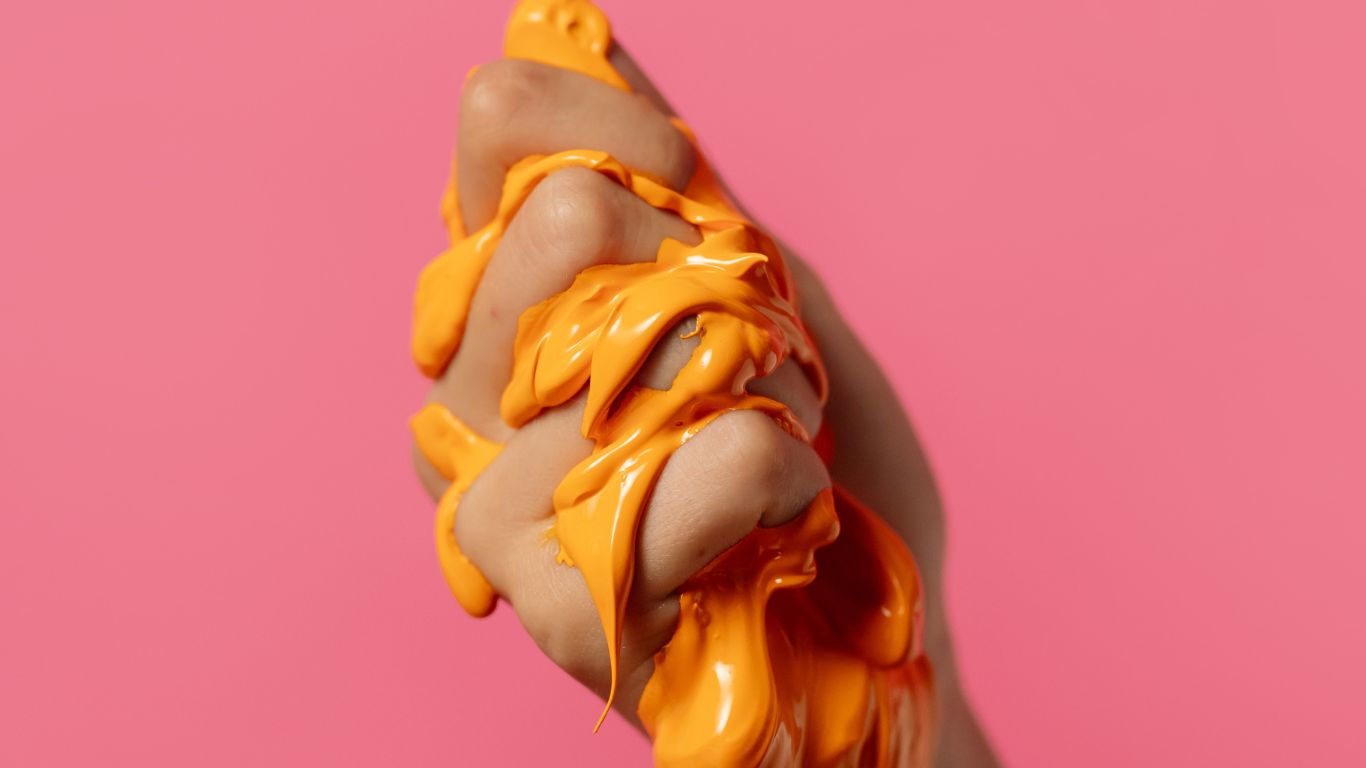
Slime is familiar enough to most households. What gets less attention is that it isn't only something enjoyable to squeeze, it carries a genuine benefit for how a child develops. Plenty of child psychologists recommend it as an effective way to stimulate the senses.
Not every slime is safe to play with though, particularly for younger children, so it's worth knowing what to look for. If you're looking for something at home that's enjoyable and educational at once, slime is a reasonable choice. This article covers what it does for a child, and what to check before buying one.
What Slime Does for a Child
1. Fine Motor Control
Squeezing, pulling and shaping slime works the small muscles in a child's hands and fingers. That matters for writing, feeding themselves and anything else needing hand coordination.
Slime is a light activity that adds motor stimulation without feeling like a lesson. Younger children need plenty of direct physical experience to develop well, which is why plenty of specialists suggest slime as one form of sensory play.
2. Focus and Concentration
Slime can genuinely help a child concentrate. Absorbed in squeezing it or pressing shapes into it, their brain is learning to hold attention on one thing, which is what self-regulation is built on.
Making it something they learn from turns the whole thing into an easier process, without any pressure attached. For a child who is easily distracted, slime can work as a small piece of therapy with an outsized effect on their day.
3. An Outlet for Emotion
Children can't always put what they feel into words. Slime gives them somewhere to put it, and there's a real relief in pressing and squeezing something that gives way.
Some psychologists describe this as a form of sensory coping. Choosing something safe matters here, so you're comfortable while your child gets on with it. It's a simple way to shift a child's mood, and an effective one.
4. Creativity and Imagination
Children make slime pizzas and slime monsters, which is where the creative side comes in. With nothing more than a few colours, a child can imagine freely and build whatever they've pictured.
It isn't only entertainment, it works the creative side of their thinking. That fits the idea of creative play, where a child is given room to explore without limits, which matters a great deal for how they develop over time.
5. An Early Introduction to Science
A child can start learning about science through slime. Watching it change shape when pulled or cut, they're observing elasticity, viscosity and gravity in action.
It suits anyone wanting to introduce science at home in a way that's enjoyable. Making slime from scratch turns it into a small experiment, teaching a child about a chemical reaction in the simplest possible terms.
How to Choose a Safe One
a. Non-Toxic and Food Grade
Look for slime labelled non-toxic and food grade. That matters if your child puts their hands near their mouth after playing.
Plenty of educational toys now include slime made from natural ingredients, free of harsh chemicals. Check the packaging and choose something that states clearly what it's made of.
b. Avoid Anything With Borax
Slime made with borax is usually more elastic, but the ingredient carries a risk of skin irritation and allergy. Choose a borax-free version, of which there are plenty available now.
Alongside being safer, this type suits day-to-day play at home. It's what lets you offer a homemade slime that's safe while still giving a child the sensory experience.
c. Check the Scent and Colour
Slime that smells strongly or comes in a very intense colour usually contains artificial fragrance and dye, neither of which is ideal. Choose something with a mild scent or none at all, with colour from a natural source.
That lowers the risk of an allergic reaction and is gentler on a child's skin. Plenty of at-home activities use natural slime for exactly this reason, including versions made with cornflour or gelatine.
d. Match the Texture to Their Age
Younger children do better with a soft slime that's easy to shape, since anything stiffer only frustrates them. Older ones can handle something more elastic, which makes it more of a challenge.
Matching the texture to the child supports creative play while getting the most out of the sensory side. The right slime is what turns it into something worth their time.
e. Buy From a Brand Worth Trusting
Don't buy slime purely because it's cheap. Choose a brand with a decent reputation and clear safety certification.
There are plenty of local brands now making slime from safe ingredients, including for toddlers. That way you get something that supports how your child is developing while staying safe to handle.
In Short
There's a good deal slime does for a child's development, provided you choose something safe and well made. It's a simple activity that supports creativity and the senses at once. Beyond slime, there are plenty of other activities listed on Happy Kamper worth looking at.