

Why Sensory and Motor Classes Matter for a Child
Touching everything is how a child learns. What a sensory class adds to that, and the right age to start.
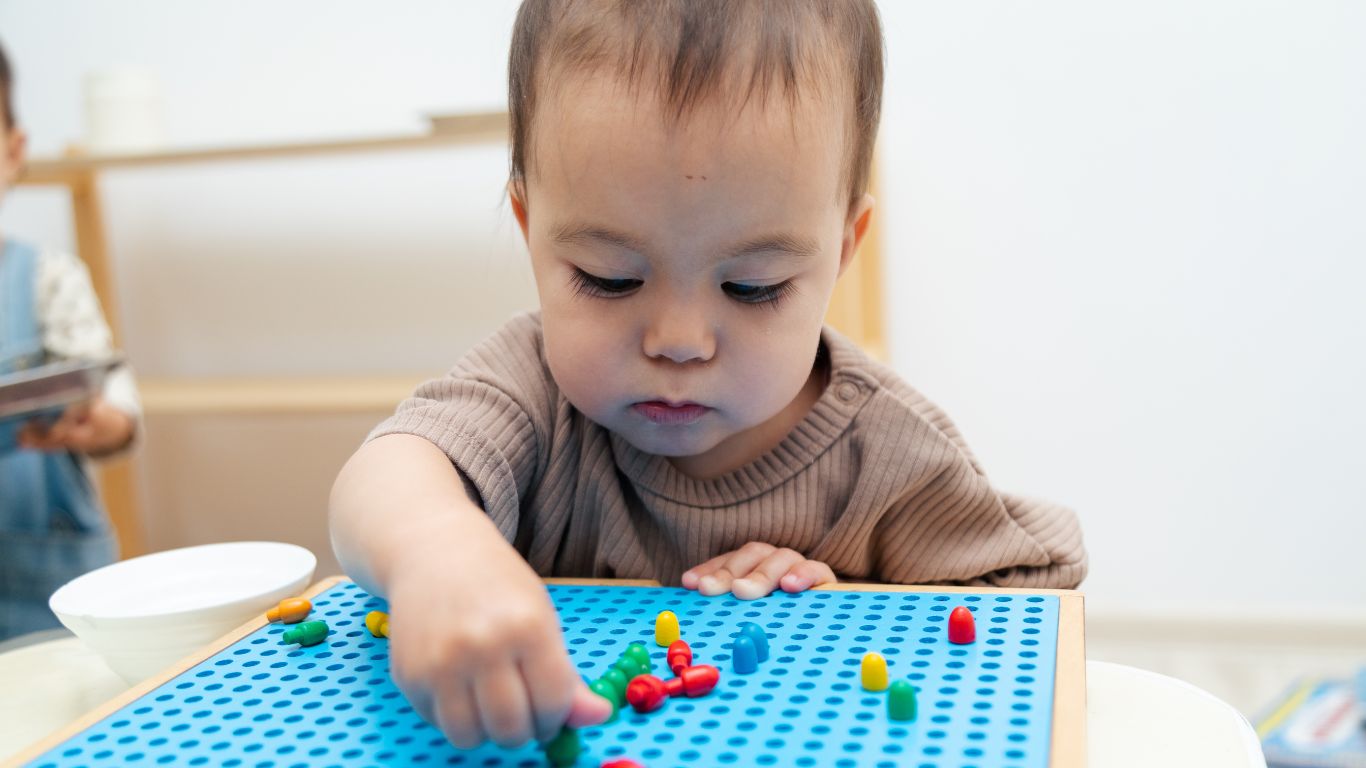
You'll have noticed how curious a child is about touching things, feeling a texture, or putting something in their mouth. That isn't idle behaviour, it's how they learn.
A sensory and motor class exists to get the most out of that exploration, making sure each sense is stimulated in a way that's enjoyable and useful. Research indicates children who get sensory stimulation early tend to have stronger motor, cognitive and social skills later.
Plenty of parents assume a sensory class is only a play session, when it's rather more than that. In one, children learn about the world in a way matched to their stage of development. Playing with texture, smelling different scents and working on balance are all designed so a child develops as well as they can.

1. Thinking and Memory
Sensory stimulation matters for forming connections between brain cells, improving memory and building problem-solving. Exploring the texture of sand or playing with water has a child's brain working hard to process it. A sensory class also improves their concentration on a simple task, and children who get regular sensory stimulation show stronger brain development than those who don't.
2. Balance and Coordination
In each session a child does something involving sensory activity, whether that's walking across a soft surface or catching a ball. That trains the coordination between eyes, hands and feet, so they move more easily and more responsively. It also accelerates their gross and fine motor development.
3. Social and Emotional Skills
Playing in a sensory class, children learn to share, wait their turn and communicate with the others. That interaction builds empathy and the social skills they'll use later. Enjoyable sensory activity is also a way to manage emotion and build a child's confidence.
4. Language
Children active in a sensory class tend to have a wider vocabulary. That's because they're constantly interacting with objects and other children and then describing what they feel. Playing with soap foam, they pick up words like soft, slippery and expanding, so their motor development moves alongside their language.
5. Adapting to New Situations
A sensory class introduces a child to a range of different sensations, from loud noise through to unfamiliar textures. That leaves them more flexible when something new comes along, whether that's starting school or meeting new people. They're less easily startled by change.
6. Managing Stress and Anxiety
Some children are more sensitive to particular stimuli, whether that's loud sound or bright light. A sensory class offers controlled stimulation, so a child learns to adapt to a range of situations without being overwhelmed. That helps a great deal with children who are anxious or highly sensitive to their surroundings.
7. Creativity and Imagination
In a sensory class a child explores a range of materials, whether that's hand paint, kinetic sand or coloured water. That pushes them to think creatively, whether by forming a pattern or building a story from what they're playing with. So the benefit runs past the physical into the mental and emotional side.
When to Start
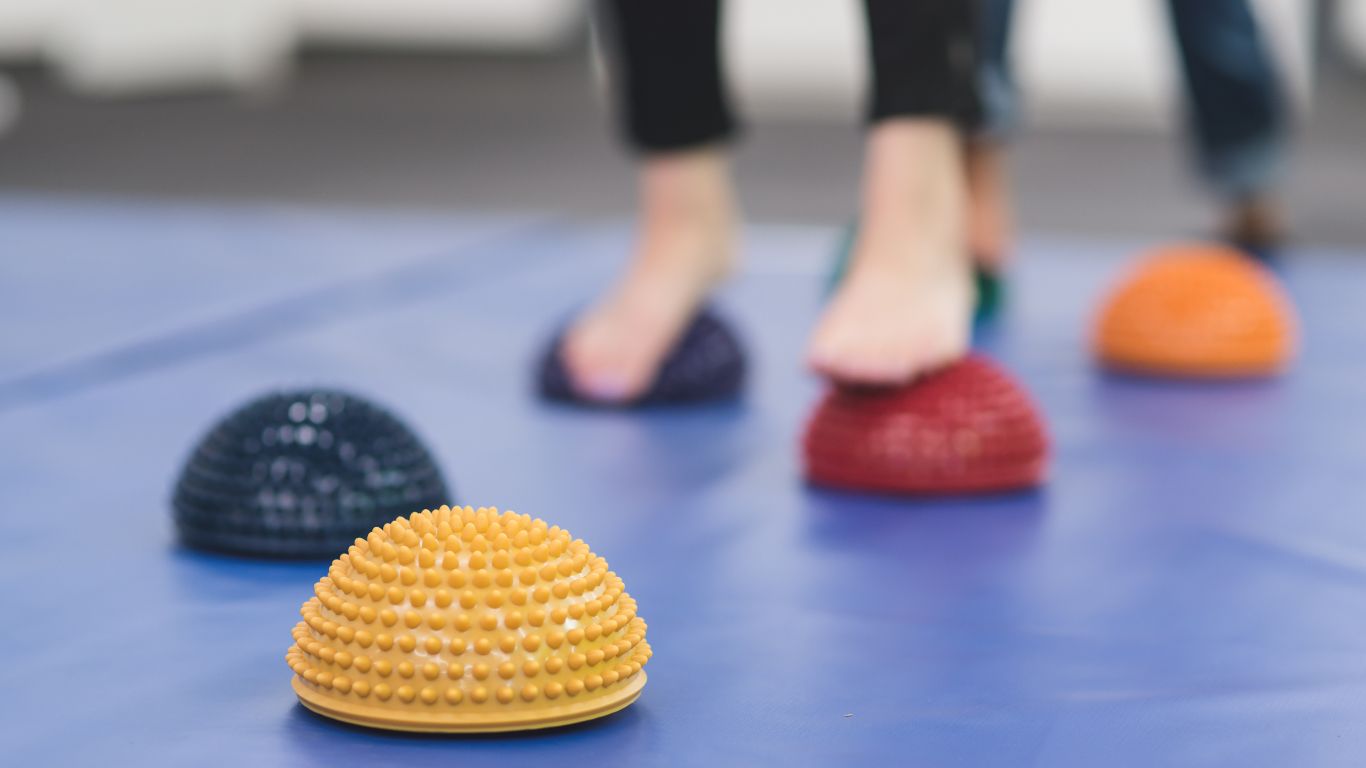
The obvious question is when to introduce a sensory and motor class. The answer is that earlier is better.
From birth a child starts learning about the world through touch, sound and movement, which is why plenty of classes take children from around 6 months to 5 years. Classes for babies generally focus on lighter stimulation, whether that's music, gentle touch or light.
Once a child reaches toddler age they explore far more freely. That's the right moment for more complex sensory stimulation, including texture, scent and balance work. Classes at this stage leave a child more confident moving and interacting with what's around them.
It's also worth considering if your child either loves exploring or seems afraid of a particular stimulus, whether that's refusing to touch sand or avoiding loud noise. With an experienced instructor, a child becomes far more comfortable exploring safely.
Finding a Class
Here are sensory and motor classes around Jakarta worth considering for your child. Confirm current ages, schedules and fees with each one directly.
Where to Look
Understanding why a sensory and motor class matters makes it easier to support your child properly. The Happy Kamper app lists activities that support sensory development, with locations and current prices shown.