
10 Outdoor Activities Worth Trying With Your Child
Children who play outdoors are more active and more socially capable. Ten activities worth trying.
Children now spend a good deal of their time indoors, whether that's on a device or in front of the television. Outdoor activities carry real benefits though, from building creativity and confidence through to supporting physical development. Research indicates children who play outside more often tend to be more active, healthier and better socially.
So it's worth getting a child outside into the fresh air. This article covers ten outdoor activities worth trying, and you can pick whichever suits their age and interest.
Ten Outdoor Activities
1. Camping in the Garden or Somewhere Wilder
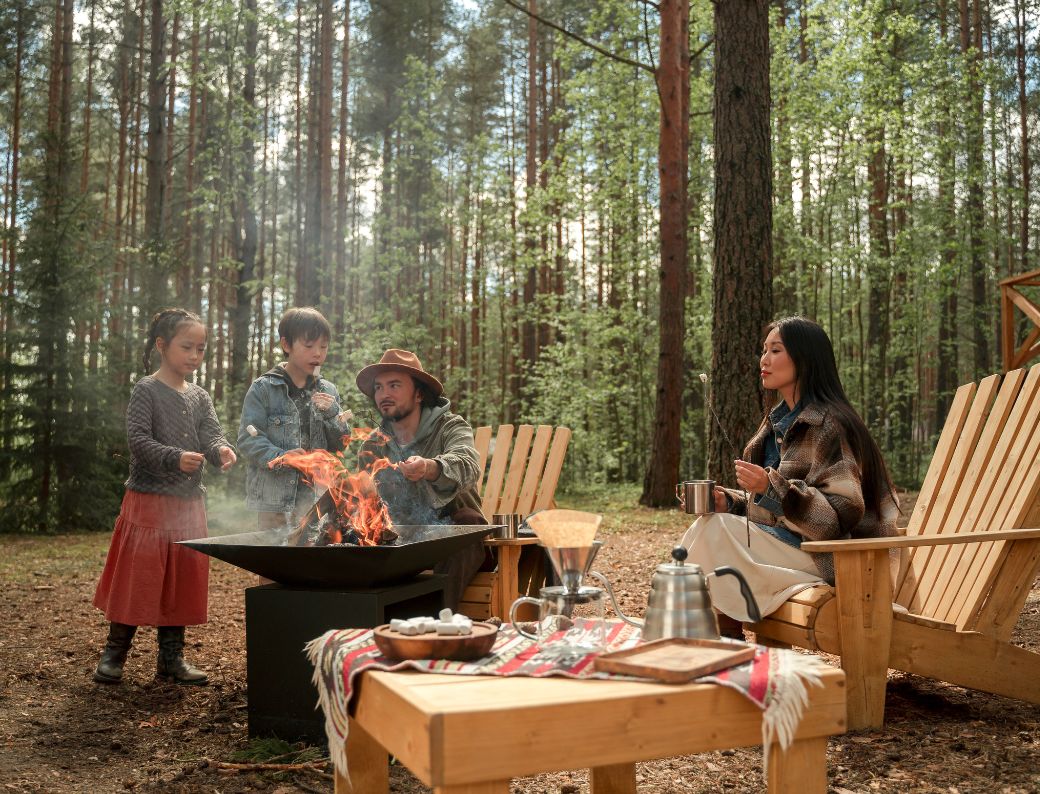
Camping is an enjoyable way to introduce a child to the outdoors and build their independence. If you aren't ready for a mountain or a forest, try camping in the back garden or at a city park that allows it. It teaches children independence, cooperation and a bit more respect for the environment.
They also pick up simple survival skills, whether that's pitching a tent or working a torch in the dark. For a child of four and over, sleeping outside is a genuine adventure. Bring a sleeping bag, snacks and a favourite toy to keep them comfortable.
2. A Treasure Hunt in the Park
A treasure hunt works a child's creativity, attention to detail and problem-solving. Write clues a child can follow and hide a few small objects around a park or the garden.
For a child of five and over, raise the difficulty with a riddle they have to solve before finding anything. Small teams racing each other make it more entertaining still. Alongside being enjoyable, it teaches a child to work in a team and think critically.
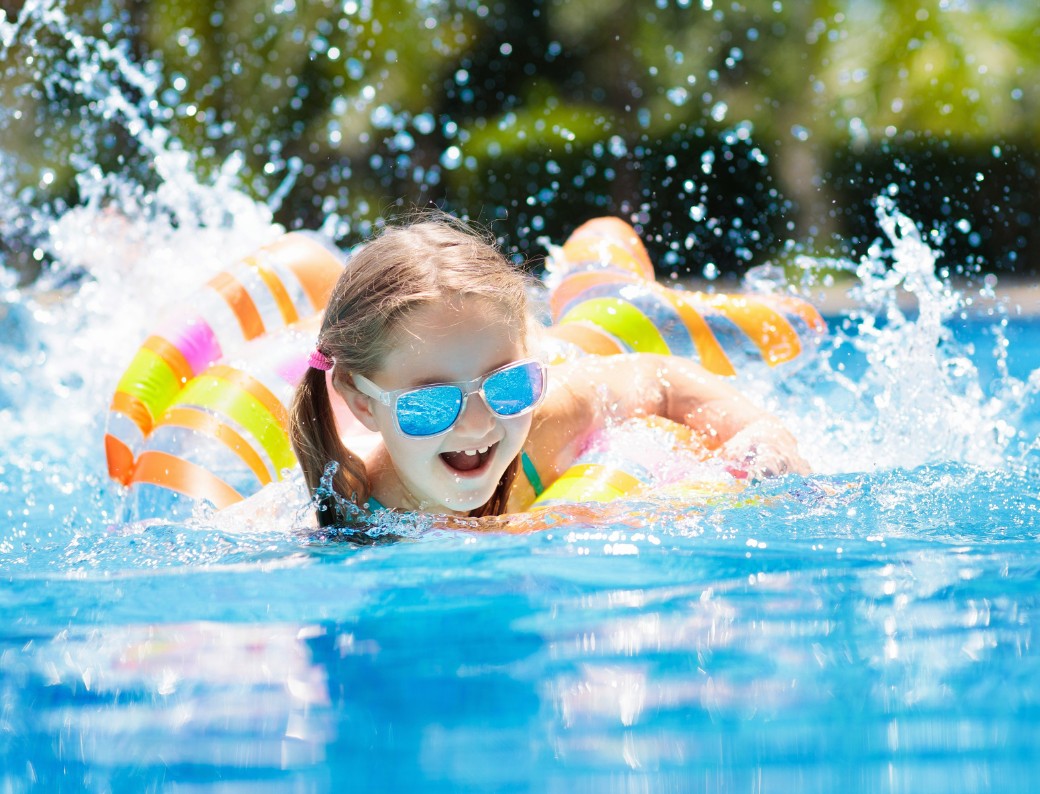
3. Water Play at a River or Beach
Water is a favourite with almost every child. If you have the time, take them to a beach or a river with a gentle current.
For a child of three to six, playing with sand and building a castle develops their creativity, while an older child can try bodyboarding, light snorkelling or hunting for shells and interesting stones. Water activities improve motor coordination and balance. Always supervise them in the water and use a float where it's needed.
Read also: 11 Swimming Classes Around Jabodetabek and What They Cost
4. A Gentle Hike
To introduce a child to the outdoors while getting some exercise, a gentle hike is a good option. Choose a child-friendly route with a clear path and nothing too steep.
It suits children from around seven, since by then they can walk a decent distance. Alongside being enjoyable, hiking builds stamina, teaches a child to appreciate the natural world, and develops their patience and nerve. Bring light food, water and comfortable clothing to make the walk easier.
5. Gardening and Growing Vegetables
Gardening is enjoyable and teaches children about how a plant grows and why looking after the environment matters. A child learns to plant vegetables or flowers, water them, and watch something grow from a seed to a harvest.
It works from around three upwards, and even a toddler can help with the watering. Gardening also builds patience and a sense of responsibility for something in their care. Start with something that grows easily, like tomatoes, chillies or sunflowers.
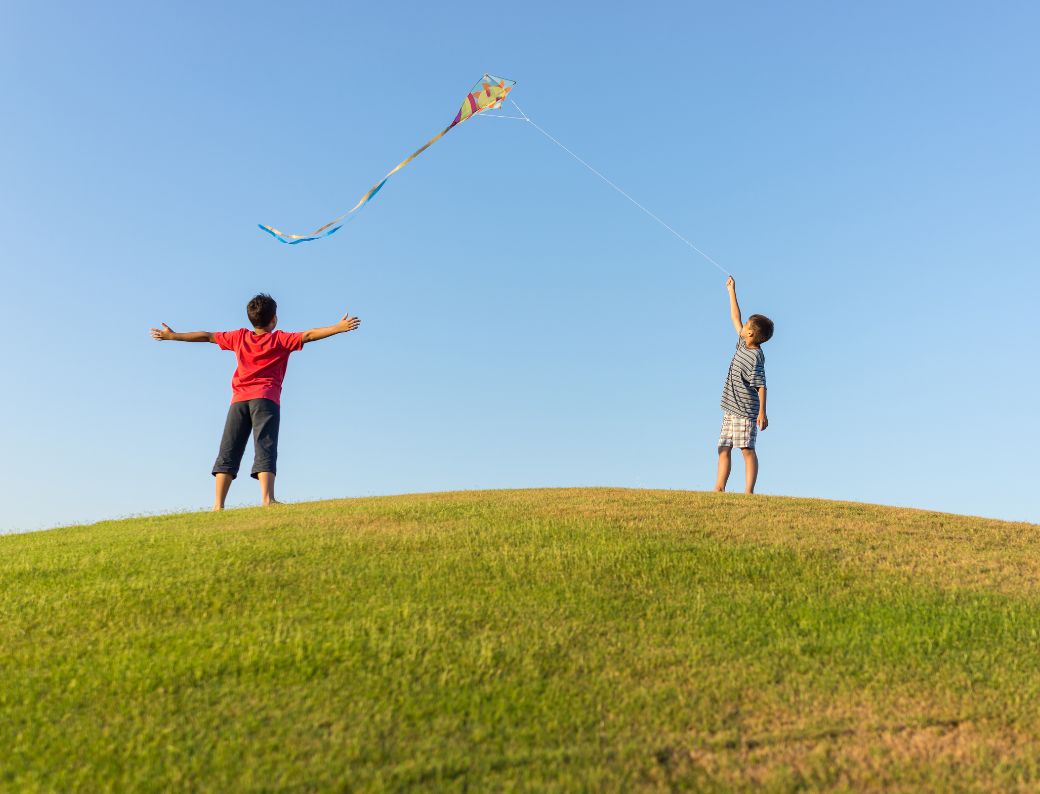
6. Flying a Kite
Kite flying is a traditional game that's lost none of its appeal. Take your child to an open field and help them get a kite up.
It trains hand-eye coordination while teaching patience and persistence. From around five, a child can start launching and controlling a kite themselves. For something more creative, make a kite together from coloured paper before flying it.
7. Cycling in a Park
Cycling is among the more popular outdoor activities for children. Alongside the health benefit, it trains balance and leg strength.
A child of two or three can start on a tricycle or a balance bike, while a child of five and over can try two wheels with support. Choose somewhere safe, like a city park or a dedicated cycling area, so they can practise without traffic nearby.
8. Outbound and Flying Fox
For something more challenging, a flying fox is worth considering. It helps a child build nerve, work through fear and raise their confidence.
Activities like this are usually available at nature attractions or play parks with outdoor equipment. It suits children from around six, particularly those who enjoy a challenge.
9. A Picnic With Some Nature Watching
A picnic sounds simple but becomes a genuinely valuable experience for a child. Bring their favourite food, lay out a mat at a park or a botanical garden, and get them watching the birds, insects and plants around them. It teaches a child to notice their environment and understand how an ecosystem works. For a child of four and over, an illustrated book on plants and animals lets them learn while playing.
10. Ball Games and Team Sport
Team sport like football, basketball or volleyball teaches children about cooperation and strategy. It also builds stamina, muscle strength and social skills.
From around four, start with something simple like kicking a ball or throwing and catching. From around seven, a child can start learning the rules of a more complex game.
Choosing the Right Activity
Choosing an outdoor activity isn't something to do at random. Alongside being enjoyable, it needs matching to a child's age, interest and physical condition.
Get it wrong and they end up bored or worn out quickly. Here's what to apply before deciding.
Match It to Their Age and Ability
Every child has different motor development and energy levels. For a toddler of one to three, choose something lighter like playing in a park, water play or gardening.
Children aged four to six can start on something more active like cycling, a treasure hunt or a picnic with some nature watching. Children of seven and over usually prefer a challenge, whether that's a gentle hike, team sport or kite flying. Match the activity to their ability and it stays safe and enjoyable.
Choose Something That Supports Their Development
Alongside being enjoyable, make sure an outdoor activity carries a benefit for their physical and mental development. Cycling and hiking train balance and stamina, while a treasure hunt or gardening builds creativity and patience. If your child is shy, team sport like football or basketball is worth trying to build their social skills.
Check the Safety
Safety stays the main priority when choosing an outdoor activity. Pick somewhere safe, away from traffic or anywhere hazardous.
For water play at a river or beach, keep an adult supervising and use a float where needed. Prepare the safety equipment too, whether that's a helmet for cycling or comfortable shoes for hiking.
Find Out What They're Interested In
To keep a child enthusiastic, let them help choose what to try. If they like a challenge, a flying fox or an outbound session works.
If they prefer something calmer, gardening or a picnic in a park suits better. That way a child enjoys the activity rather than feeling pushed into it.
Watch the Timing and the Weather
Weather has a considerable effect on how comfortable a child is outdoors. Avoid long stretches in direct sun, particularly between 10am and 2pm. If the weather isn't cooperating, whether that's rain or too much heat, choose something safer like playing somewhere shaded or camping in the garden.
Make It Something They Remember
Finally, make time outdoors something a child looks back on. Take photographs or video, bring their favourite snacks, or invite their friends along to make it more entertaining. What matters isn't only the activity itself but the time you spend together.
Get Them Outside
Playing outdoors isn't only enjoyable, it matters for a child's physical, social and creative development. From hiking to cycling to a picnic, there's a wide range of outdoor activities worth trying at any age. So it's worth getting a child outside more often, since that's what keeps them healthy and happy.
For more activity ideas, Happy Kamper lists options worth looking at. A little planning turns an ordinary weekend into something they remember.