

Nine Skills a Child Will Need in the Future
AI is reshaping what work looks like. Nine skills worth building in a child early, and how to start at home.

Change is unavoidable, and the arrival of AI has already altered a great deal, work included. The skills a child will need are more complex as a result, which makes starting early worth doing.
Plenty of parties are involved in that, from school through to the environment a child grows up in. Parents carry a real share of it if a child is going to master what's coming.
So which skills actually matter? Here are nine.
1. Communication
Communication underpins every other discipline and ability. Communicate well and an idea lands as intended, while without it even a brilliant idea fails to get across.
You can build this early. Get a child in the habit of talking about their day and let them put forward an idea, a thought or a question, since that's exactly what communication is.
2. Collaboration
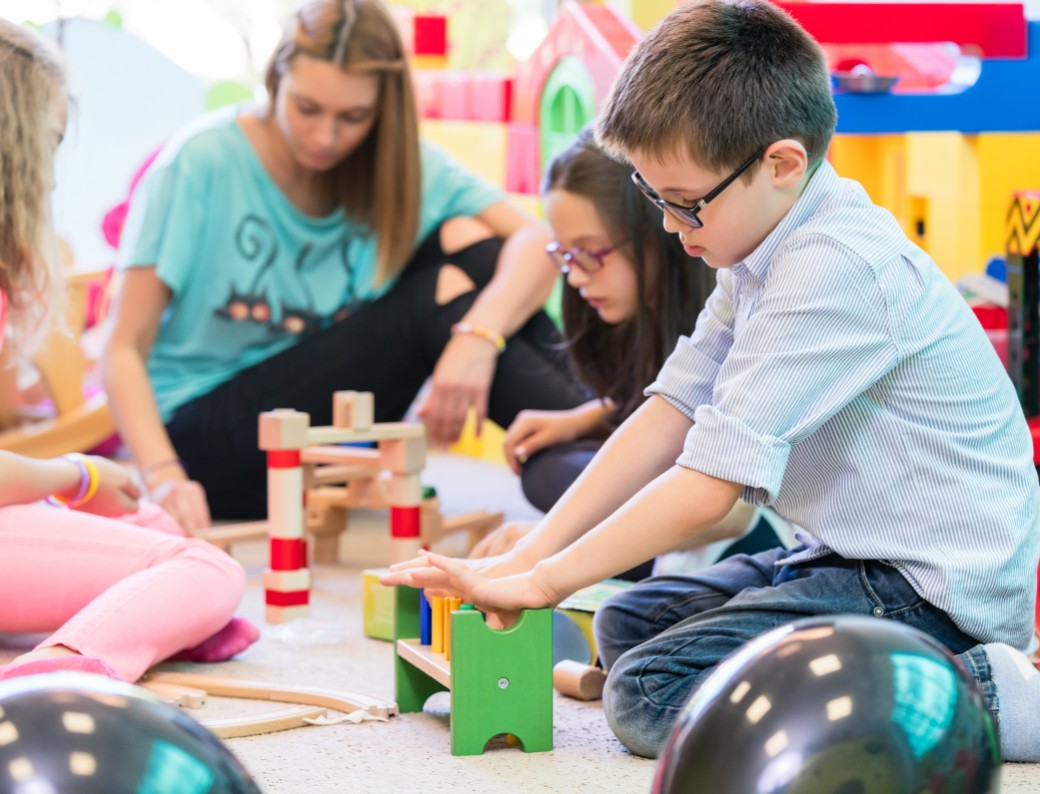
Working with other people opens up opportunities that don't appear otherwise. It also trains resilience directly, since a child has to adapt to different conditions to reach a shared goal.
This is straightforward to build at home. Start with tidying toys together, decorating a room, or running a STEM project or experiment as a pair.
More on STEM here: 10 STEM Activities to Try at Home
3. Critical Thinking
Critical thinking is a foundation worth having. It pushes a child to explore and to work through a problem to a solution.
It matters that parents train this, so a child carries it forward. Build a culture of asking, checking and observing at home, starting with ordinary everyday things.
4. Creativity
Thinking creatively lets a child become someone who makes things rather than only uses them. At work it's close to a requirement if the result is going to stand out at all.
This can be trained early. Start at home with Lego, origami or any kind of crafting, and aim for a child who genuinely enjoys it so the habit survives into adulthood.
5. Computational Thinking
Computational thinking gets a child used to identifying a problem systematically and logically, then finding an efficient solution. It lets them break a problem into small parts and work through them in order.
Planning a trip is a good example. You break it into small tasks, covering the destination, transport, accommodation and what to visit. Thinking this way teaches a child to work through something systematically rather than react to it.
6. Compassion
Children also need to be taught compassion, meaning care, empathy and warmth towards whatever they're working on. It can be trained by asking why, which gives a child a real sense of ownership because they understand the consequences of what they do.
7. Confidence
Without confidence no other ability develops, which makes it the key one. A child whose confidence is built early adapts far more easily, because they trust what they can do.
This can be trained too. Start by valuing every stage, failure included, and offer praise and positive affirmation when something goes well. Let a child hold an opinion without it being knocked down every time.
8. Emotional Intelligence and Motivation
Children need emotional intelligence and motivation to handle what's ahead. Emotional intelligence leads to better decisions across their life, work and money included.
Motivation gives everything else its value. A child who knows why they're doing something knows what to do next.
9. Digital and Technical Ability
Finally, digital ability is close to compulsory now. Technology moves fast enough that a child has to adapt to it, which means introducing devices properly and early.
Show them what a device is genuinely good for, whether that's learning, making something or anything else constructive. Introduced the right way, a device isn't something to avoid entirely.
Those nine can also be supported through classes and educational activities. It's worth looking at educational activities that build them, and Happy Kamper lists options with locations and current prices shown.