

Swap Screen Time for Sport: What Suits a Child
Screens win by default when nothing else is on offer. Here are five sports that suit children, and six ways to build genuine interest rather than obligation.
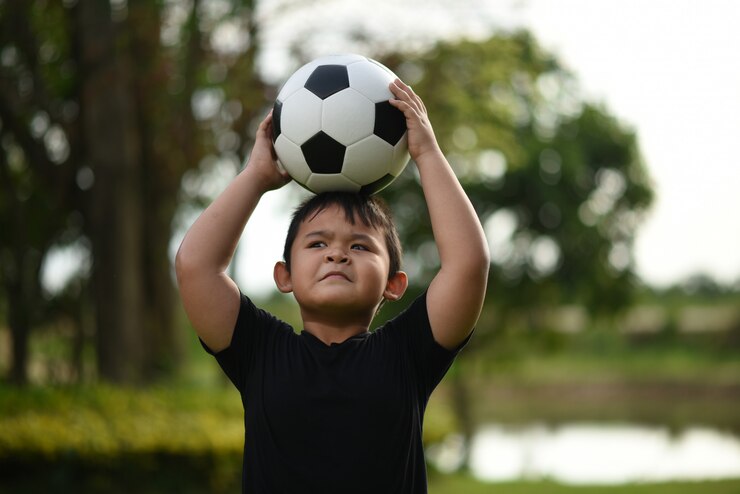
The right sport does a lot to pull a child away from a screen. Devices are part of daily life now, children's included, and there's no undoing that.
Technology brings real benefits, but too much of it works against a child's physical and mental health. Hours in front of a screen are hours not spent moving or dealing with the world directly.
Balancing the two is the practical answer. It takes a bit of deliberate management rather than a ban.
Why Physical Activity Matters
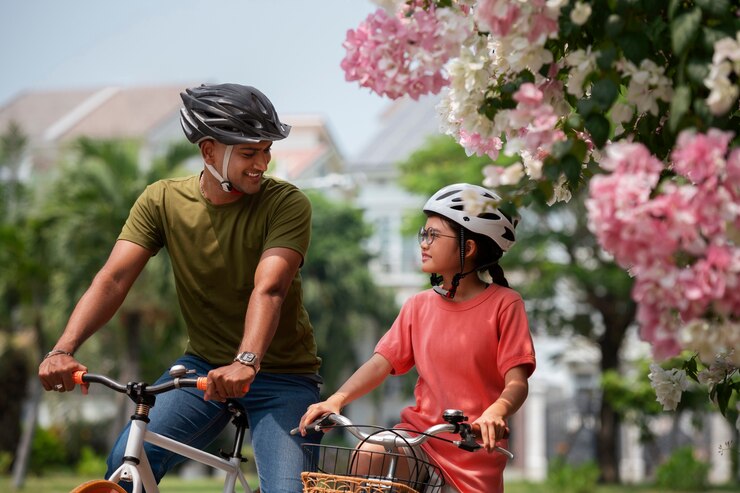
Children have a great deal of energy and a lot of curiosity. They need physical activity to put that energy somewhere and to develop motor skills properly.
A child who spends most of their time on a device becomes less active, and their physical health follows. Getting outside lets them move freely while keeping in decent condition.
Too much screen time also disturbs sleep and affects how a child thinks. Exercise, by contrast, balances energy, strengthens the body and improves coordination and balance.
Physical activity triggers endorphins, which lift mood and reduce stress. Playing outdoors also means sunlight, the natural source of vitamin D, which matters for healthy bone growth.
Five Sports That Suit Children

Choosing a sport that suits keeps a child active and brings health benefits with it. Here are five worth considering, and what each one does.
1. Cycling
Cycling is enjoyable and something you can do together. It builds leg strength, balance and whole-body coordination, and it's a good way to show a child more of the world around them.
2. Swimming
Swimming works the entire body, with almost every part of it moving at once. It builds lung capacity, muscular strength and flexibility.
Read also: 8 Benefits of Swimming for Children
3. Football
Football is the most widely played of them, and a child picks up teamwork and strategy alongside the game itself. Physically it builds stamina, speed and coordination.
4. Running
Running is the simplest sport there is and among the most effective. It's good for heart health, stamina and leg strength.
5. Gymnastics
Gymnastics combines strength, flexibility and balance. Set it to music and it stops feeling like exercise at all.
Each sport brings something different, and the parent's job is making sure a child actually enjoys the one they're doing. A child who enjoys it keeps it up without being asked.
How to Build Genuine Interest
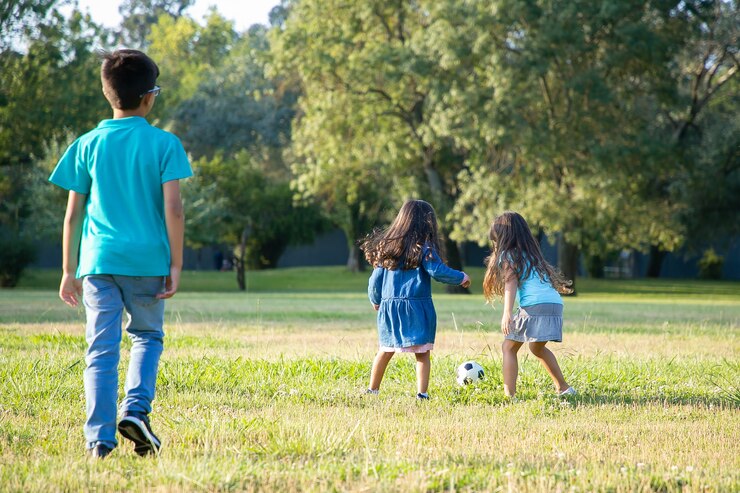
Finding the right sport is difficult when a child hasn't tried much or isn't interested yet. Here are six things that help.
1. Watch What They Gravitate To
Pay attention to what your child does when they're playing outside. Running, kicking a ball, getting in water, whichever it is, that's the obvious starting point.
2. Try Several
Don't hesitate to introduce a range of sports. Work through them one at a time until something takes.
Trying several gives a child something to compare. Most only find what suits them by contrast.
3. Bring Them Into the Decision
Ask your child which sport they want to try and which looks most interesting to them. A child involved in the decision is noticeably keener to turn up for it.
4. Set the Example
Children copy their parents, sport included. If you're active, your child is far more likely to want to be.
Do it together where you can. It stops being an obligation and turns into time spent as a family.
5. Match It to Their Age and Ability
Make sure the sport suits your child's age and what they can physically manage. Something too hard or too easy loses their interest quickly.
Aim for something that challenges them at the level they're actually at. That's where the interest holds.
6. Focus on Enjoyment, Not Competition
Early on, the thing that matters is that a child enjoys it. Keep the focus on the fun and the health rather than on winning.
That builds a positive attitude towards sport and keeps their motivation up. Competition can come later if they want it.
In Short
Sport is a far healthier use of a child's time than a screen, particularly for physical and mental development. Playing outside brings health benefits and develops motor skills at the same time.
Choosing something that matches their interests and ability is what keeps a child active. You'll find places to play and train listed on Happy Kamper, along with more articles like this one.


