

The Benefits of Learning Outside the Classroom, Not Just a Day Out
Learning outside the classroom isn't an aimless walk. Here's what children gain from it, the challenges schools face, and simple ways to start with your own child.
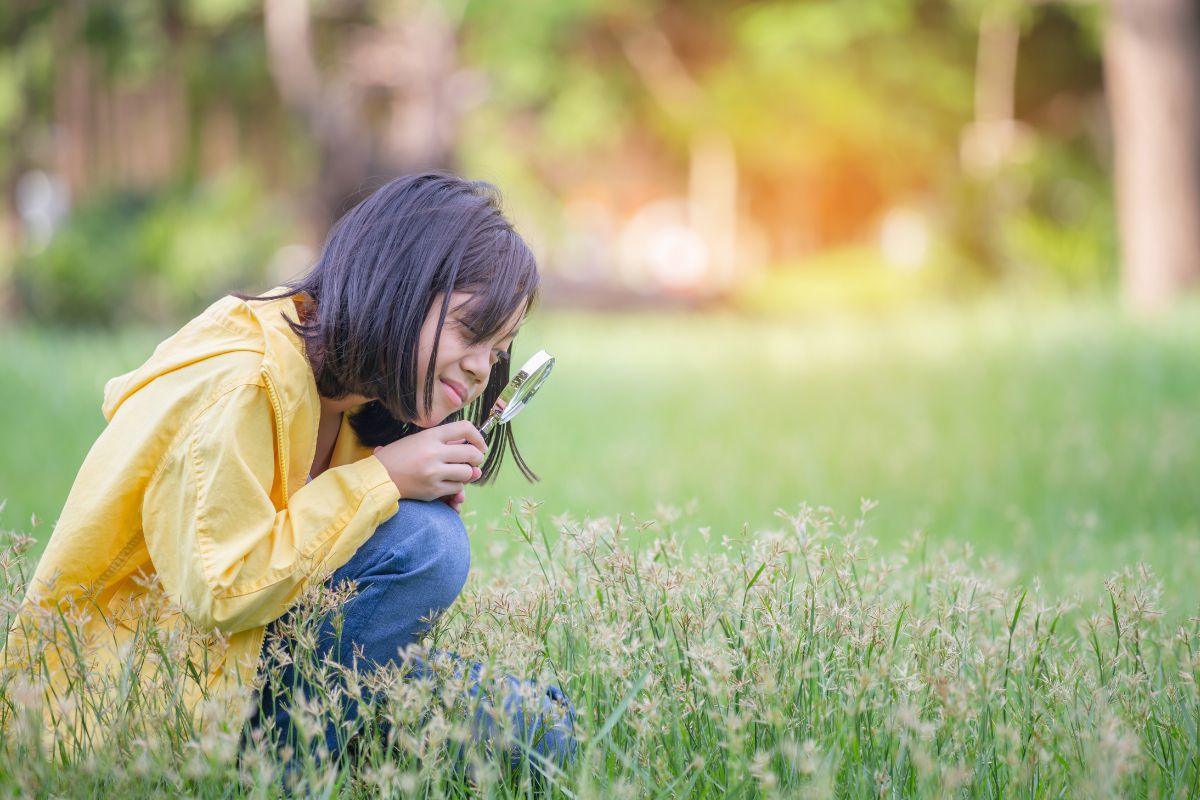
Have you ever thought your child might actually learn better outside the classroom? It isn't only about sitting still at a desk and listening to a teacher.
More schools and parents are recognising what learning outside the classroom does for children, particularly for creativity and curiosity. It's a shift in where learning happens, not in what's being taught.
A study from the University of Plymouth found that learning in the open air does more to motivate children than classroom teaching alone. That covers concentration, social skills and emotional wellbeing.
So it's no surprise that learning outside the classroom keeps gaining ground. It's now applied at every level, from early years through primary school.
What Learning Outside the Classroom Means
Learning outside the classroom doesn't mean taking children out for an aimless walk. It refers to teaching that happens beyond the conventional classroom, in a park, a museum, a zoo, or even the school grounds.
The aim is to make learning feel real, enjoyable and connected to context. Children experience the subject rather than only reading about it.
In practice, learning outside the classroom covers a wide range of activities, from science experiments in the open air to art sessions in a city park. It widens how children understand a subject, because they live it rather than read it.
Take a zoo visit during a topic on animals. Children don't just recognise a picture, they hear the sounds, watch how the animals move, and get a feel for the habitat. That kind of experience gives them a far deeper understanding than the same lesson indoors would.
It also supports contextual learning, which sits closer to everyday life. Children learn straight from their surroundings, so linking a lesson to reality comes more easily. That matters most for younger children, who tend to learn through concrete experience.
One benefit that's rarely noticed is how much educational activities outside the classroom strengthen the bond between a child, their teacher and their classmates. They're learning while moving and interacting, not sitting still and listening.
Read also: Does a Child's Happiness Affect How Fast They Learn?
The Benefits of Learning Outside the Classroom for Children
Now that the idea is clear, it's worth looking at what children actually gain from it. These sessions aren't only about having fun, and there's real value in what children pick up beyond the classroom walls. Here are five of the main benefits worth considering.
1. Sharper Thinking Skills
Learning through direct experience makes information easier for children to absorb. When they see, touch or hear something real, their brain works harder to process it. That can improve both recall and how well they grasp a concept.
Take the water cycle. A child who watches rain fall and follows a small stream through a park picks the idea up faster than one looking at a diagram in a book. Sessions like this reinforce active learning and build genuine interest in science and nature.
Being outdoors also pushes children to think critically and solve problems. They get used to making quick decisions, whether they're in a role-play or running a simple experiment.

2. Stronger Social and Emotional Skills
Outside the classroom, children interact far more, with classmates, teachers and their surroundings. That's a real opportunity to build social skills and start recognising emotions in themselves and others.
In group work like exploring a city park or a nature-based project, children learn to cooperate, share roles and finish a task together. Without noticing, they're practising empathy, communication and social responsibility.
These sessions help build confidence too. Children face real challenges, whether that's speaking up in a discussion outdoors or trying something they've never done before.
There's a mental health side as well. Time in the open air can help reduce stress and anxiety, which leaves children calmer and steadier in how they feel. That's a good reason to make outdoor educational activities a regular part of the week rather than an occasional treat.
3. A More Active, Hands-On Way of Learning
Every child learns differently. Some are visual, some are kinaesthetic, and some take far more from direct experience than from anything else. One of the benefits of learning outside the classroom is that it fits the method to how children naturally learn.
Ask them to keep a nature journal, draw a map of the route, or present what they observed, and they're taking part rather than watching. It's hard for a session like that to feel boring.
It also feeds curiosity and pushes children to find out more about the world around them. They ask more questions, they're braver about trying things, and they come to the next session keener.
Experience-based learning builds a sense of responsibility for their own work as well. Children feel involved in the process instead of passively receiving information.
4. Early Environmental Awareness
Learning outdoors gives children direct experience of the environment and a reason to care about it. Exploring an urban forest, gardening or helping clean a small river teaches them about ecosystems, cleanliness and the cycle of life.
It builds ecological awareness in a way children enjoy. They don't only learn that littering is wrong, they feel it when they're picking up rubbish in a play area or seeing an animal that's lost its habitat.
Experiences like this matter for planting environmental values early. Children with an emotional connection to nature grow into people who take more responsibility for the world around them.
5. A Wider View of the World
Finally, learning outside the classroom opens up a bigger world for children. They aren't fixed to a textbook, and they get to explore somewhere real, full of colour and stories.
They can pick up history at a museum, understand local culture through a trip to a traditional market, or do maths by counting the harvest on a visit to a farm. All of it makes a lesson feel alive.
Environment-based learning enriches what they take away. Children end up better prepared for the real world because they're used to handling different situations and settings outside school.
Challenges and Solutions in Running Lessons Outside the Classroom

It looks ideal, but running lessons outside the classroom brings its own difficulties. Time is limited, teachers may not feel ready, and there's the question of keeping children safe away from the classroom.
The most common challenge is a school's limited resources. Not every institution has access to enough open space or the equipment these sessions need. Teachers also need specific training to run experience-based learning well.
None of that is without a solution. A school can start small, with a mini garden in the grounds, or work with local community groups to run environment-based sessions that are structured and safe. Some schools have already built the programme into their yearly curriculum.
What matters is the commitment to keep learning meaningful and enjoyable for children. In the end we don't only need children who do well academically, we need children who are resilient, who care, and who are ready for the real world.
How to Start Learning Outside the Classroom
If you want to introduce the idea of learning through play in the open air, there's no need to overthink where to begin. What matters most is matching it to your child's age, interests and readiness. Here are a few simple tips to try.
First, pick outdoor activities that are both enjoyable and educational. Gardening, watching insects, making art from leaves or visiting an educational park are all good places to start.
Second, use a platform like Happy Kamper to find outdoor activities that suit. Download the Happy Kamper app, register, then filter by location and outdoor activity category to see options from trusted providers across a range of cities.
Some places worth considering as destinations for learning outside the classroom:
- D'Kandang Amazing Farm (Depok) – a farming and livestock education spot children enjoy.
- Pasar Kebun (Bandung) – an educational market where children learn about plants and how buying and selling works.
- Bukit Strawberry (Bandung) – good for learning about growing and picking fruit straight from the field.
- Taman Lembah Dewata (Bandung) – a green mountain setting with horse riding and nature education.
- Wisata Bukit Domba (Bogor) – a fun place to meet farm animals and spend time in nature.
- Dusun Semilir (Semarang) – an educational attraction combining culture, nature and creativity.
- River Walk Boja (Kendal) – a family spot with a village feel, suited to exploring the outdoors.
Direct experience like this gives children contextual learning that's genuinely enjoyable and full of meaning. So take your child out to explore beyond the classroom and build learning experiences they'll remember.
Learning Doesn't Have to Happen Indoors
Introducing your child to outdoor activities opens a door for them to grow more confident, more critical and more curious. The benefits of learning outside the classroom aren't only academic, they shape character and how a child connects with the world around them.
If you're not sure where to begin, explore outdoor activities through the Happy Kamper app and pick a location and category that fits. There's plenty there that can turn into a day your child remembers, so help them learn in a way that's more fun and more meaningful, starting outside the classroom.


