
Practical Ways to Teach a Child to Read and Write Quickly
Six methods for teaching a child to read, five practical tips for parents, and what to do when the progress starts feeling slow.
Teaching a child to read and write quickly is a genuine challenge for most parents. Between entertainment and technology, children can find it hard to focus on a basic skill like this. Even so, plenty of children develop real writing ability early, and reports of young Indonesian authors publishing widely show how far this can go with the right approach.
Six Methods for Teaching Reading
1. Phonics
Phonics helps a child understand the relationship between a letter and a sound. Teaching each letter as a sound makes it easier for them to recognise a new word. Start with a phonics song, or use word cards to connect a letter sound to an everyday object, and it gives their reading a solid foundation.
2. Syllables
Here a child learns to recognise syllables as the building blocks of a word. Using words that come up in ordinary conversation helps a great deal. Introducing something like "ma-kan" or "bu-ku" slowly, until they're used to joining the parts, leaves a child more confident about tackling longer words.
3. Whole Word
For a visual child, this one works well. A child meets the whole word, something like "rumah" or "makan", without breaking down the sounds first. Using a picture alongside speeds up their understanding, since they connect the word directly to a real object.
4. Picture Reading
Illustrated stories appeal to younger children, because they can link an image to the word being read. Start with a picture book and read it together, pointing at whatever matches the word on the page. That widens their vocabulary while attaching each word to something they can see.
5. Matching Letters to Images
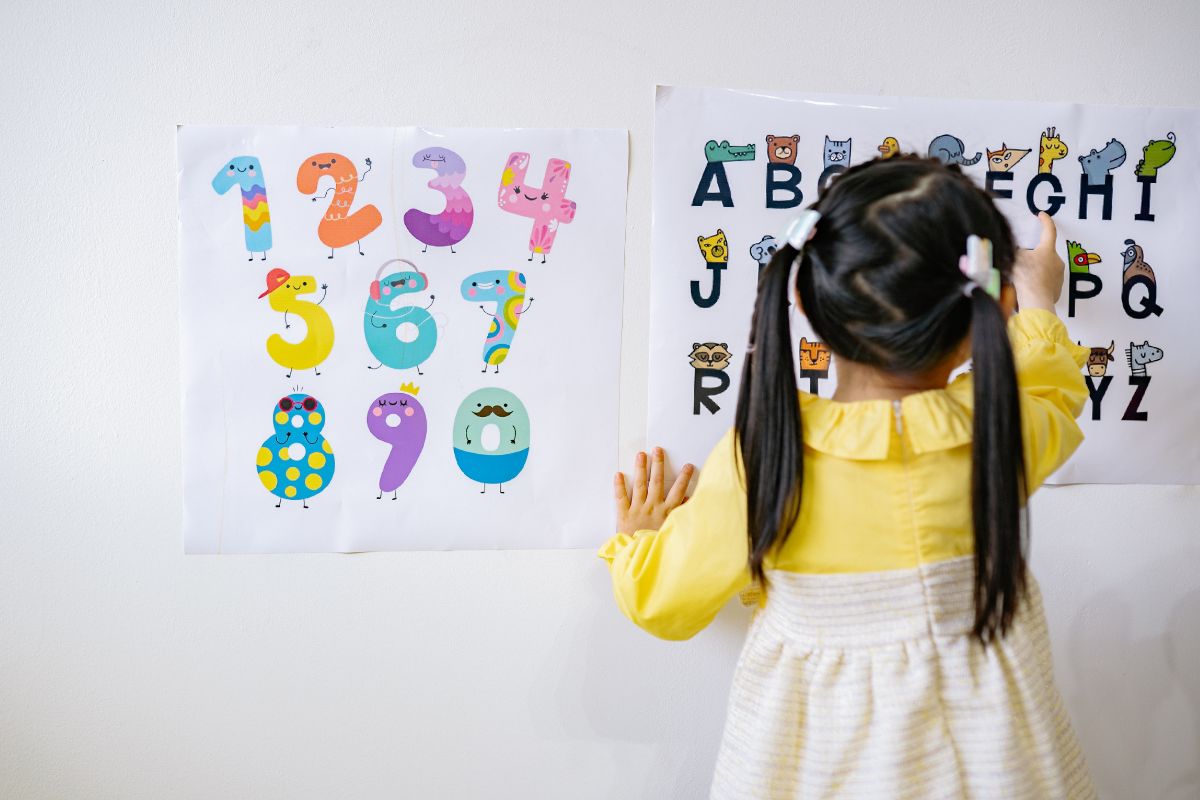
Children learn faster when they connect a letter to a matching picture. For the letter B, show them something starting with it, like a ball or a bus. Picture cards or a simple illustrated book work fine for this, and alongside reading it sharpens their memory.
6. Reading in Context
This method teaches a child to read within a sentence or a longer story rather than as isolated words. It gives them a better sense of how a word is actually used. Start with a short story and then ask what they understood from it, and the word sticks because they've seen it doing a job.
Practical Tips for Parents
Every child works at their own pace when learning to read and write. There are a few practical things that make supporting that process easier and more enjoyable. None of them need expensive equipment or a complicated method, only consistency and patience.
1. Keep It Relaxed
Learning doesn't have to be rigid. The more relaxed it is, the more easily a child takes it in. Try reading a favourite book sitting in the garden, or over a warm drink in the afternoon.
A settled child is far more open to what you're teaching, whether that's reading word by word or forming letters. Work out when your child is at their best, morning or evening, and keep the praise coming when something goes right.
2. Use Pictures and Games
Children are remarkable visual and physical learners. They pick up letters and words more easily through pictures, letter cards or an educational board game.
Try picture flashcards of animals to introduce the opening sound of each word, or a guess-the-word game with magnetic letters on the fridge. That's enjoyable and it strengthens the connection between sound, letter shape and meaning naturally.
3. Read Together Every Day
Reading together becomes time together. It doesn't have to be long, since 10 to 15 minutes before bed makes a real difference. Choose a story with appealing pictures and simple text, and let your child read the words they know or guess the story from the images.
Alongside their reading, it widens their vocabulary and gets them used to how a sentence is built. Talk about the story afterwards so they practise putting an opinion into their own words.
4. Focus on Sound, Not Only Letters
Rather than memorising the alphabet straight through, teach a child to recognise the sound of a letter or a syllable. This phonics approach works because a child understands how a word is built from its sounds.
Getting the sound right is what makes a word like "bola" easy to recognise, since they connect the sound to the letter shape. A song or an educational video helps reinforce that consistently.
5. Consider a Reading and Writing Class
Parents sometimes feel out of their depth or unsure where to start, which is where professional help earns its place. A class matched to your child's age and stage is worth considering.
Classes like these are run by experienced teachers using methods built for children. Happy Kamper lists reading and writing classes from a range of providers, so you can pick whichever suits your child.
What Happy Kamper Does for Parents
Happy Kamper is a practical way to find a class supporting your child's development. You can find reading and writing classes filtered by price and location.
Rather than searching one provider at a time, each listing shows reviews, schedule and teaching method in one place. From there it's a matter of booking whichever fits.
When Progress Feels Slow
Teaching a child to read quickly can feel like hard going, particularly if yours seems behind children their own age. There are plenty of ways round that, and here they are.
- Be patient and avoid comparisons
Every child develops at their own pace. Constant comparison only leaves a child feeling under pressure. Focus on the small improvement each day instead.
- Make phonics enjoyable
A phonics approach is effective for building literacy. Use songs, letter cards or a sound game to hold their interest.
- Build in breaks
A long session leaves a child worn out. Try 15 minutes of learning, then a break with something physical.
- Vary what you use
Use an interactive app, a picture book or an educational toy. Variety holds their focus and motivation considerably longer.
- Bring reading into the day
Get them reading food labels, road signs or the shopping list. That widens their vocabulary and builds the habit in real situations.
- Build a daily reading routine
Reading together before bed becomes time together and a habit at once. Children learn best through something consistent.
- Mark the small wins
Whether that's reading a full sentence or recognising every vowel, say so. That support builds confidence and keeps them going.
So it's worth starting your child's reading and writing somewhere enjoyable and effective. If you're unsure which class suits, the Happy Kamper app lists activities matched to their age.