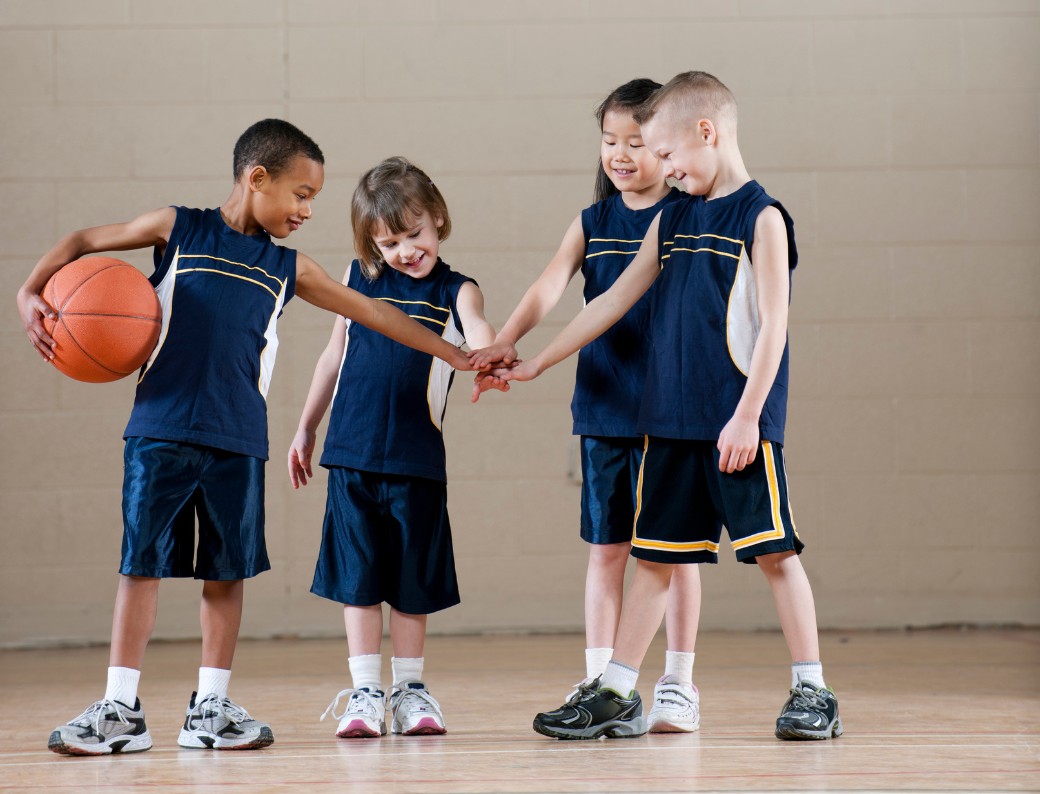

Why Basketball Is Worth Starting Early
Basketball builds coordination, decision-making and teamwork at once. When to start, and how to choose a class.
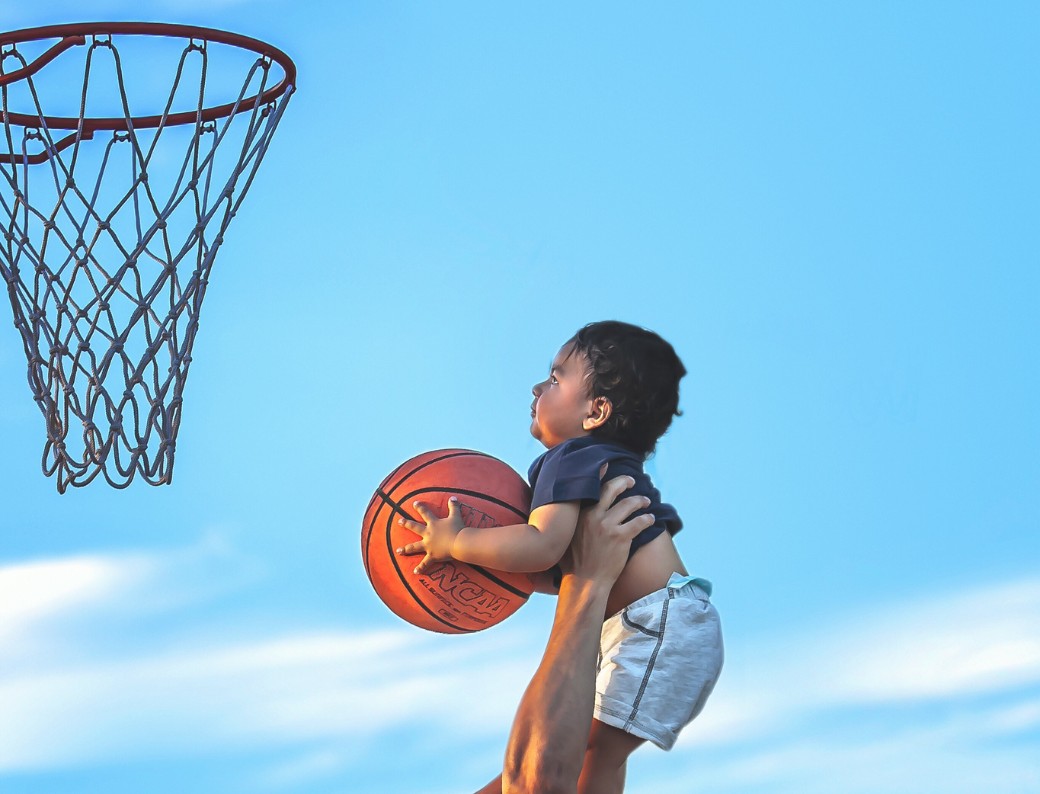
If your child likes running, jumping and playing with a ball, a basketball class may be the right next step. Basketball is more than an ordinary sport, since it helps a child grow up healthier, more confident and more disciplined. The earlier they meet it, the more they get out of it.
According to Indonesia's health ministry, children who are physically active gain a great deal, including better balance and coordination, stronger and more flexible muscles, and improved heart and lung fitness. Physical activity also trains concentration, memory and academic ability.
The problem is that plenty of children now prefer a screen to moving, which affects their health and development. So it's worth pushing children towards something active like basketball.
Here's what a child actually gains from it.
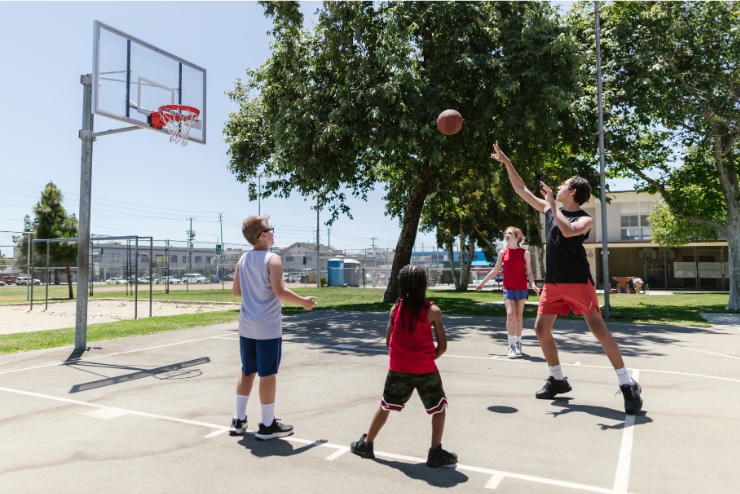
1. Physical Development
A basketball class develops fine and gross motor skills early. Dribbling, jumping or throwing all train the coordination between a child's eyes and hands, and the speed of the game trains their pace, balance and reflexes.
Playing regularly also builds stamina and strengthens muscle and bone, so a child is more active and falls ill less often.
2. Mental and Emotional Development
Basketball isn't only physical, it trains strategic thinking and fast decisions. Playing, a child has to decide when to pass, shoot or defend, which trains concentration and problem-solving.
It also teaches a child to handle winning and losing. Through a class they learn to stay calm, manage what they feel and accept a result. Research from the Harvard School of Public Health indicates physically active children carry lower stress and report being happier than less active ones.
3. Social Skills and Teamwork
Basketball is a team sport, so a child learns to interact and work with others. That matters a great deal for their social development, particularly for confidence and empathy.
Playing in a team, children learn to communicate, support a teammate and understand why cooperation matters. A study from the American Academy of Pediatrics notes that children active in team sport tend to be more confident and communicate better than those who don't play.
The Right Age to Start
The usual question is what age a child can start playing basketball. The answer is that earlier is better, and children can generally meet the sport from around 3 to 5 with basic work like dribbling or throwing at a low hoop.
From 6 to 10 a child can follow a more structured class, covering passing, shooting and simple game strategy. Their body coordination is developing well by then, which makes the training considerably more effective.
From 11 to 15 a class can get more competitive, focusing on strategy, defence and finer technique. At that stage a child also starts to understand why consistent training and a healthy routine matter to how they play.
So if your child shows an interest, there's no reason to hesitate. Choose a class matched to their age and needs so the learning stays comfortable and enjoyable.
Five Things to Check
Choosing the right class matters if a child is going to get a good experience out of it. Here are five things worth checking.
1. Location
Choose somewhere practical to reach from home or school. That makes the schedule easier and avoids a child arriving worn out by the journey.
2. Coaching Credentials
Make sure the coach holds certification and has real experience with children. A good coach understands what a child of that age needs and how to motivate them properly.
3. Facilities and Safety
Check what the place provides, including the condition of the court, the equipment available and the safety standards in place. Good facilities support the learning and keep a child safe while training.
4. The Training Programme
Choose a programme matched to your child's age and level. A good one covers basic skills, game strategy, and the mental and physical side alongside.
5. Reviews
Find out what other parents say about a place their child has attended. Their view gives you a reasonable picture of the teaching quality and how satisfied people are.
With those in mind you can pick a class that suits your child, so they develop properly in a sport they enjoy.