

Musical Instruments Classes for Kids in Tangerang Selatan
4 activities found, Verified on Happy Kamper
Available Activities
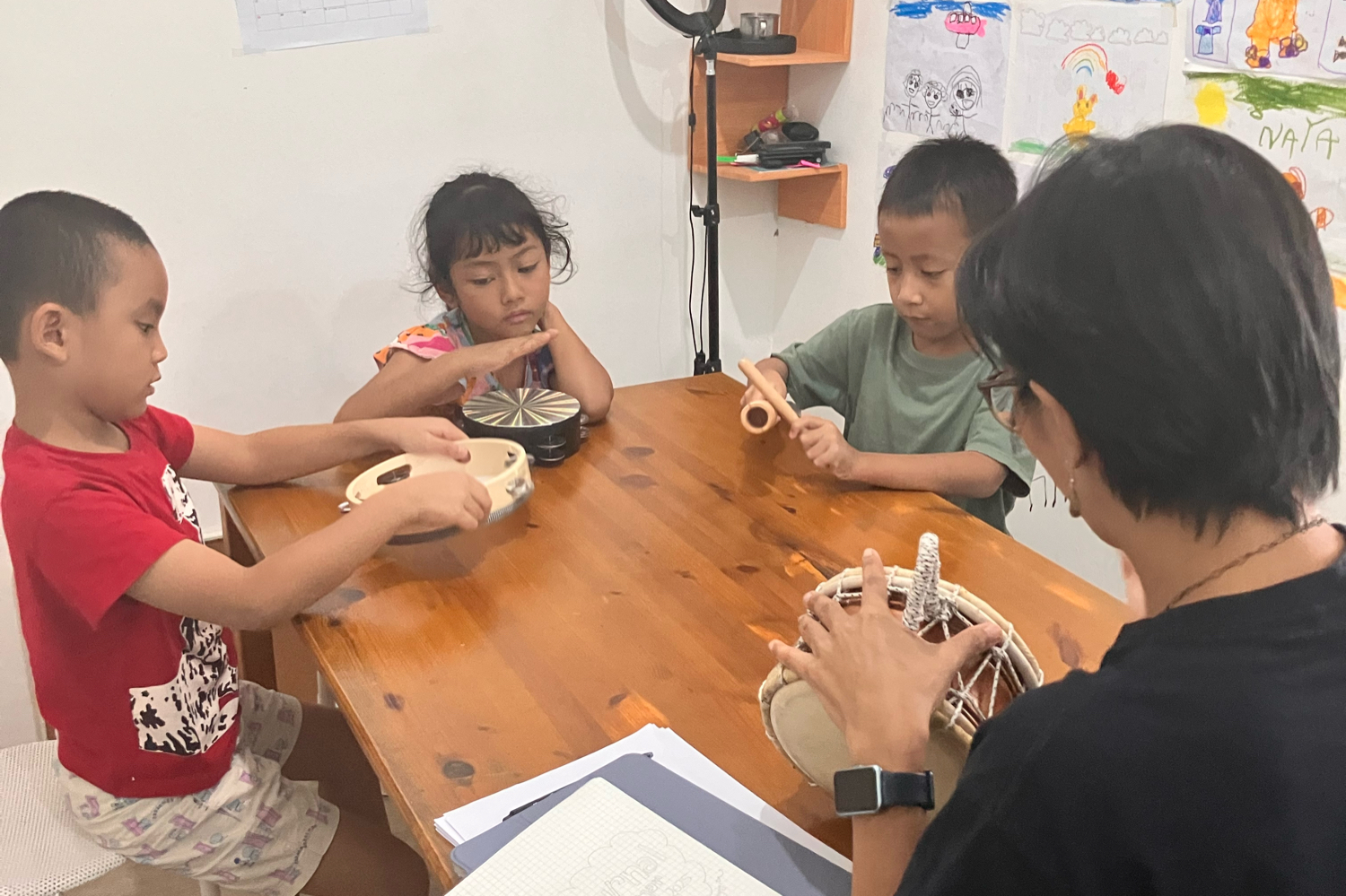
Kelas Anak Sora
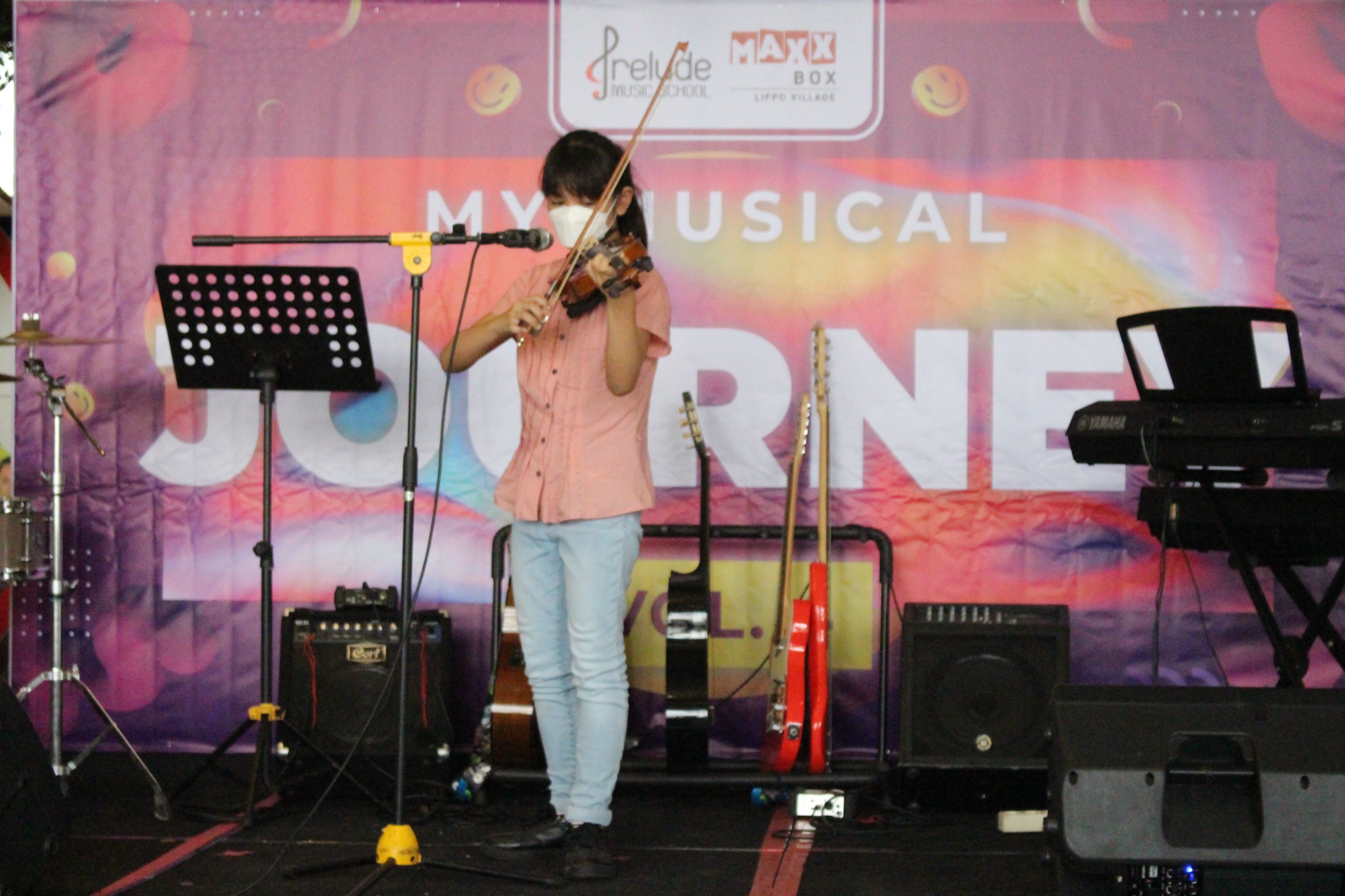
Private Violin Class
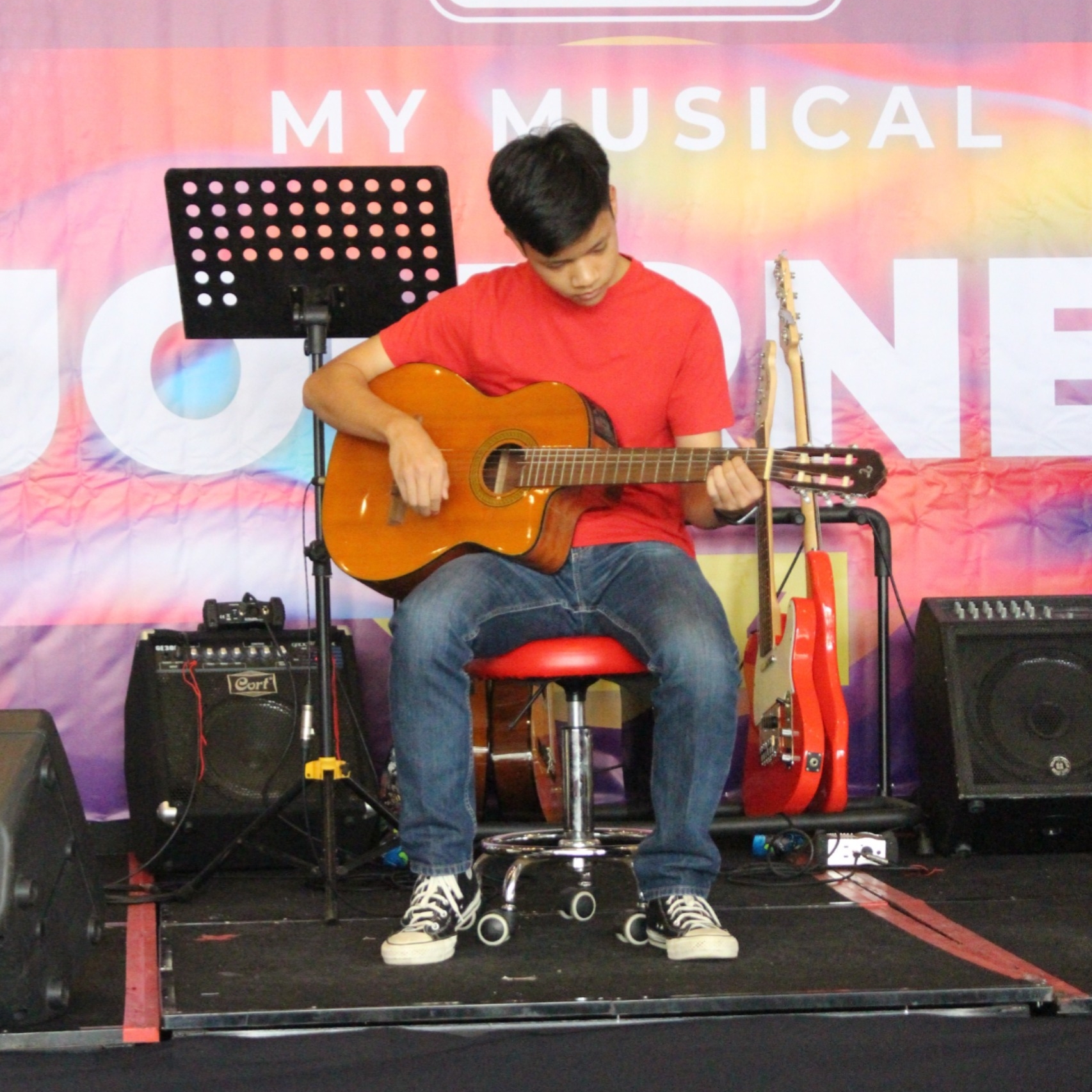
Private Guitar Class
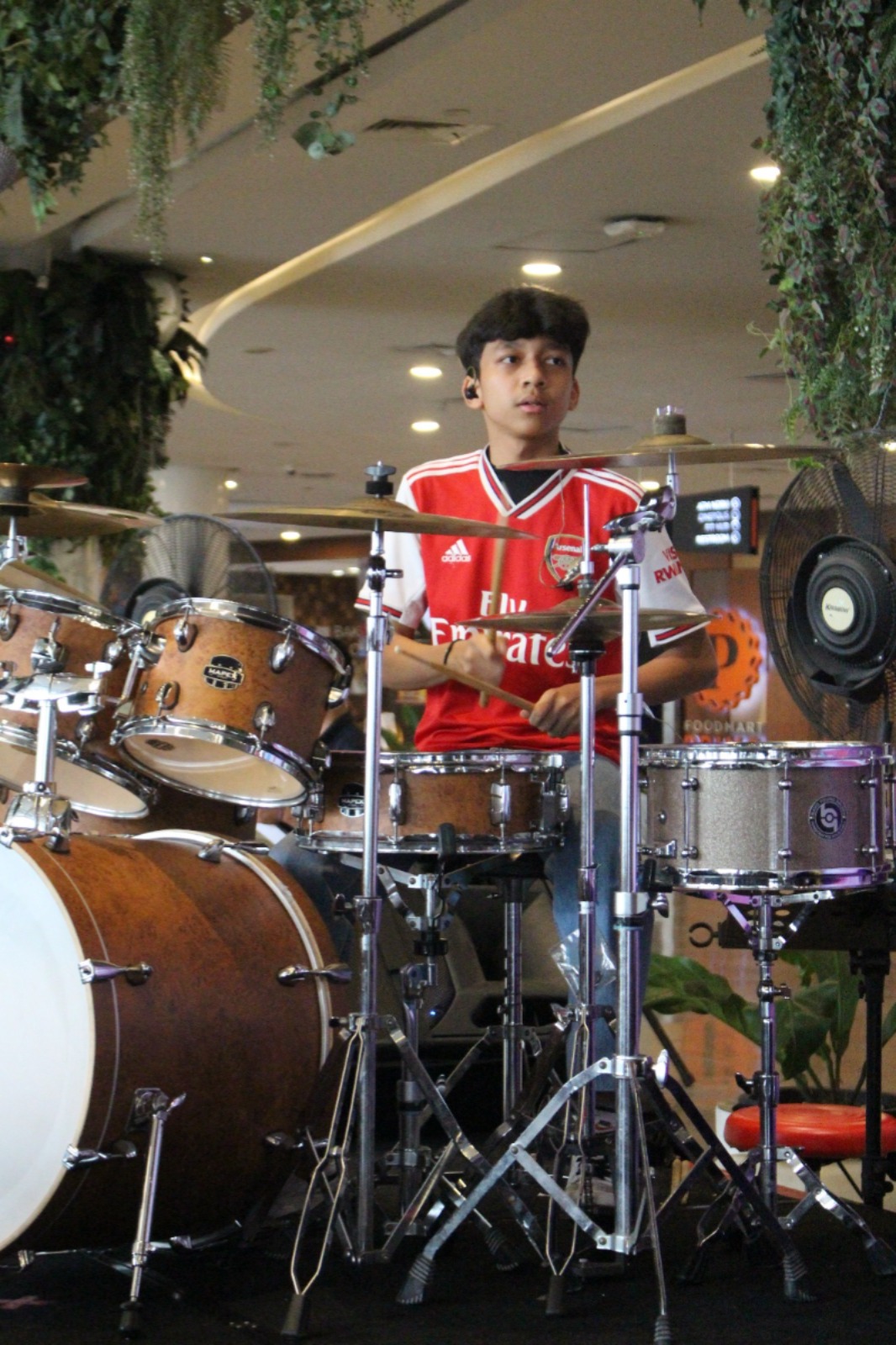
Private Drum Class
Why Musical Instruments Classes for Kids in Tangerang Selatan
Learning to play a musical instrument is one of the most rewarding activities a child can pursue. Beyond the musical skill itself, learning an instrument develops concentration, memory, fine motor coordination, and the discipline to practise consistently, skills that benefit children across academics and daily life. The "instrument" category covers the full spectrum of non-piano instruments available in Indonesia: guitar (acoustic and electric), violin, cello, drums, bass, ukulele, traditional gamelan instruments, angklung, and increasingly, digital production tools. Each instrument develops specific cognitive and physical skills while sharing the universal benefits of musical training. Guitar is the most popular choice in Indonesia due to its cultural ubiquity and versatility across pop, rock, dangdut, and classical styles. Violin develops exceptional ear training and fine motor precision. Drums build rhythmic intelligence and physical coordination in ways unique to percussion. Ukulele is an ideal first stringed instrument for young children due to its smaller size and lighter strings. Indonesian traditional instruments, particularly gamelan and angklung, offer the additional benefit of cultural connection and are increasingly available in enrichment academy programmes across major cities. For parents uncertain which instrument to choose, the single most important factor is the child's own enthusiasm, motivation drives the daily practice that determines long-term progress far more than innate aptitude does. A child who desperately wants to play guitar will outperform a reluctant violin student every time. Visiting a music school for a trial session on two or three instruments before committing is a common and sensible approach widely supported by music educators across Indonesian cities.
What to Expect
Instrument classes in Indonesia run 30–60 minutes for private lessons or 60–90 minutes for group. Beginners learn basic technique, posture, and simple melodies in the first 3–6 months. Intermediate students develop repertoire, music reading, and technique exercises. Many academies prepare students for ABRSM, Trinity, or Yamaha graded examinations. Browse the verified providers on Happy Kamper to compare fees by instrument and format. In the first three months, the most important outcome is not technical perfection but consistent enjoyment, a child who looks forward to practice is a child who will stick with an instrument long enough to develop genuine skill. Teachers at quality Indonesian music schools balance technical instruction with repertoire choices that motivate the student: familiar pop songs, film soundtracks, or contemporary Indonesian music alongside classical pieces. Parents should plan for home practice to be part of the routine from the start, even 10–15 minutes daily produces dramatically better results than weekly lessons without any home practice. For guitar and ukulele, fingertip calluses develop over the first few weeks, and parents should know that mild fingertip soreness is normal and temporary. Most academies welcome parents to observe lessons periodically, and some provide parent notes or app updates after each session so families can reinforce specific techniques at home.
Frequently Asked Questions
Book via the Happy Kamper App
Browse all 4 listings, read parent reviews, and book in seconds.
Download App