
10 Art Activity Ideas for Children
Children were making art 17,000 years ago. Ten activities to try at home, and what each one builds.
Children were making art long before formal education existed. At the Lascaux caves in France, paintings more than 17,000 years old are thought to have been made by children using their hands and natural pigment. It's a reminder that a child's interest in art is not a modern invention.
Art is now among the activities recommended for supporting a child's development. It isn't only enjoyable, it carries real benefits, from sensory stimulation through to fine motor development and building confidence early.
Why Art Matters
Art isn't only a way to fill spare time. For a child it's a window onto themselves and the world around them. Here are three reasons it matters in the early years.
They learn to express what they feel
With a limited vocabulary, art gives a child a free and safe way to channel emotion. Through colour, marks or shape, a child can show a feeling they'd struggle to put into words. That helps a parent understand their inner world more fully.
It trains fine motor control and hand-eye coordination
Drawing, painting or sticking down cut paper all demand directed hand movement. That trains the fine motor skills that matter for writing, doing up buttons and eating independently. One immediately visible benefit of art is how much a child's focus and precision improve while they work.
It builds creativity and problem-solving
There's no right or wrong when a child draws a three-headed purple monster or a flower with legs, because that's the point of art. It offers exploration without limits, and creativity grows out of exactly that freedom. Along the way a child learns to make decisions and solve small challenges, whether that's sticking paper down neatly or mixing colours to get a particular shade.
Ten Art Activities to Try
Here are the ideas worth trying with your child. All of them work at home with simple materials while still being educational. These ten make a good weekend activity, or something to build into an ordinary week.
1. Finger Painting
Finger painting is among the art activities children like most. It suits younger children particularly well, since it trains the senses and frees up how they express themselves.
Let a child dip their fingers into paint and work on paper. Alongside being enjoyable, it improves hand-eye coordination. It's a simple at-home art activity with an outsized effect on early stimulation.
2. Paper Collage
A collage means arranging cut coloured paper into a shape, whether that's a flower, an animal or a face. It sharpens creativity along with a child's spatial thinking.
You can use old magazines or origami paper. Beyond visual imagination, it strengthens the muscles in their fingers. Collage is also a practical art and craft activity you can repeat with a different idea each time.
3. Drawing With Unusual Tools
Instead of a pencil or brush, try drawing with a cotton bud, a plastic fork or even a leaf. That gives a child a new and enjoyable kind of exploration.
Drawing with unusual tools pushes a child to think beyond the obvious. It's a good example of an art activity that builds creativity and imagination, since a child is pushed to see ordinary objects differently.
4. Clay From Flour and Salt
Make your own clay at home from flour, salt and water. A child can shape it into small animals or whatever they like, and once dry it can be painted.
Alongside being enjoyable, it's an art activity that trains fine motor control thoroughly. A child learns to control the pressure in their hands and focus on detail.
5. Painting on Stone or Wood
Instead of paper, try painting a rounded stone or a small piece of wood. That gives a different texture while introducing a child to an alternative medium.
The results can become a desk ornament or something for their room. It's an art activity that stimulates creativity through a different medium than usual.
6. Leaf and Flower Printing
Take your child to a park to collect fallen leaves and flowers. Then use watercolour to print the natural pattern of each leaf onto paper.
A child learns about leaf shapes, veins and the natural colours around them. It's an art activity combining education with exploring outdoors, which also works as a family weekend activity.
7. Simple Origami
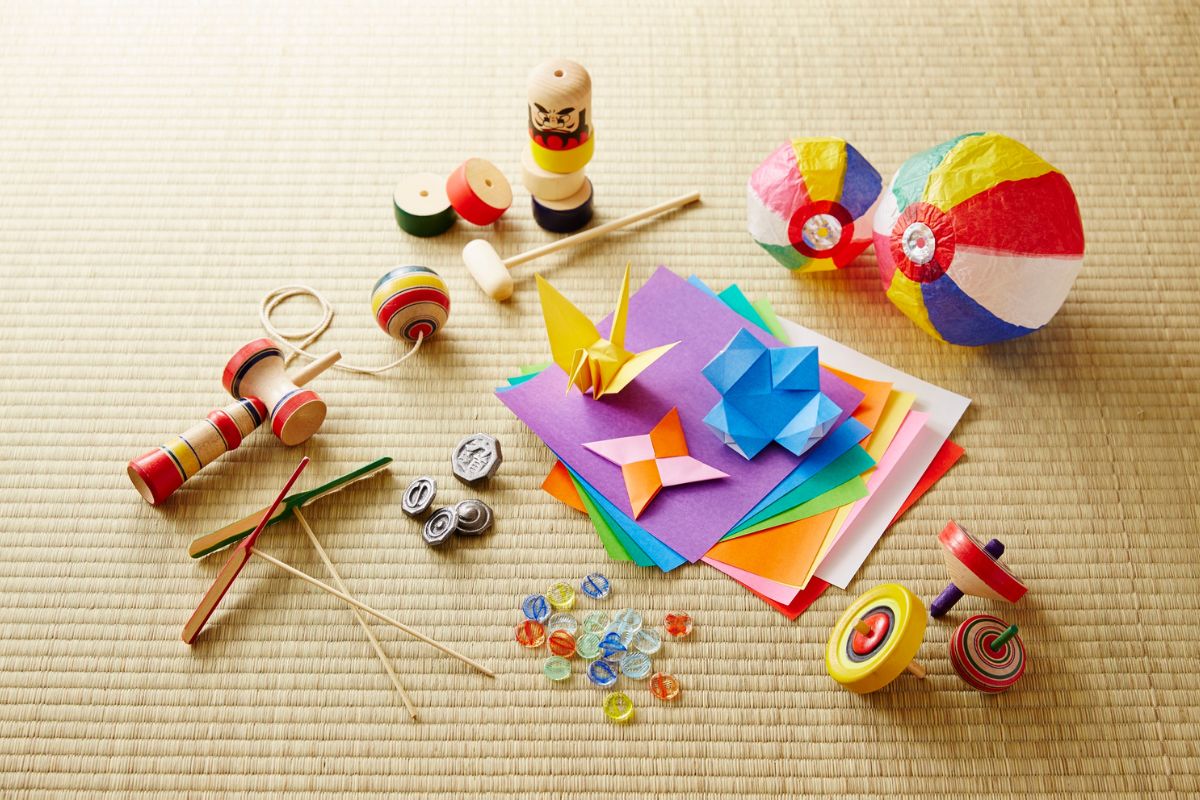
Teaching a child to fold paper into a boat, a plane or an animal trains concentration and patience. Start with something easy and build up to something more complex.
Origami also introduces pattern, geometric shape and following instructions in order. It's an educational and enjoyable art and craft activity to do together.
8. Making Character Masks
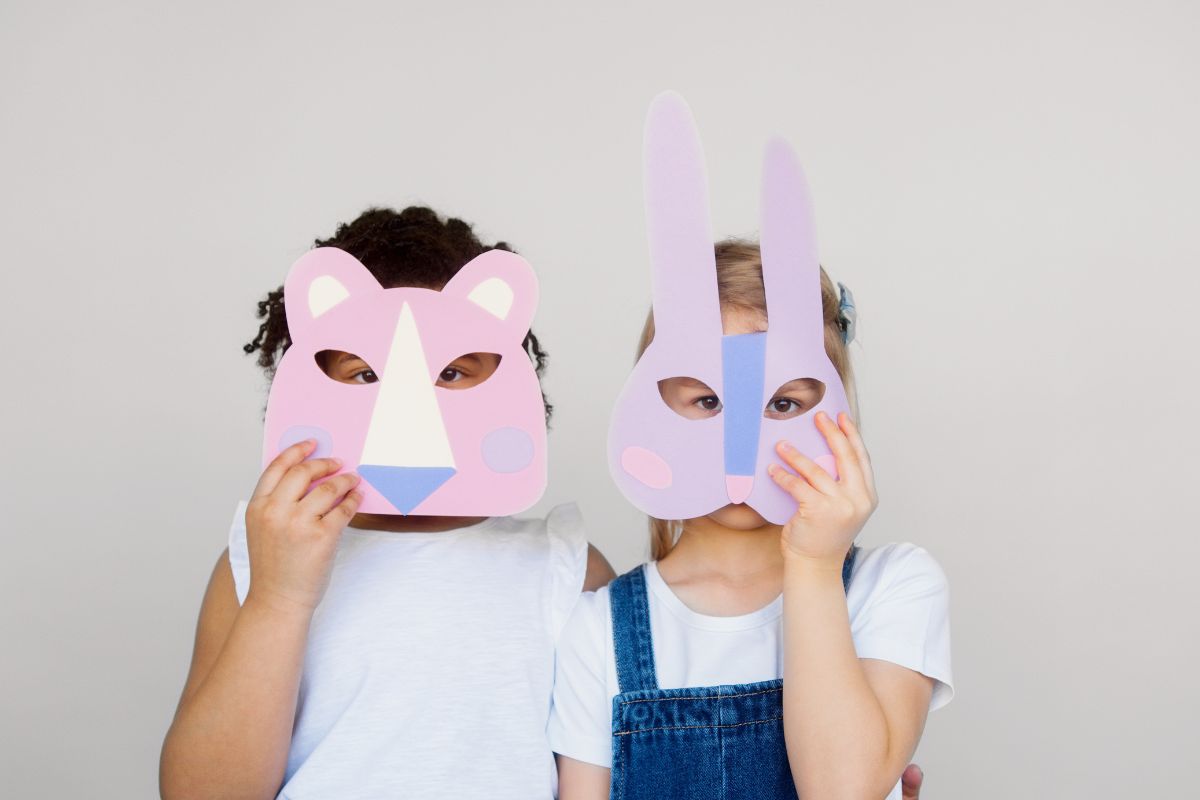
Use a paper plate or an old box to make a mask of your child's favourite character, or draw and colour one on paper. Let them decorate it with coloured paper, cotton wool and markers, then play a role with it afterwards.
This helps a child express themselves through a character and develop empathy. It's an art activity that brings in role play and self-expression.
9. Wax Resist With Watercolour
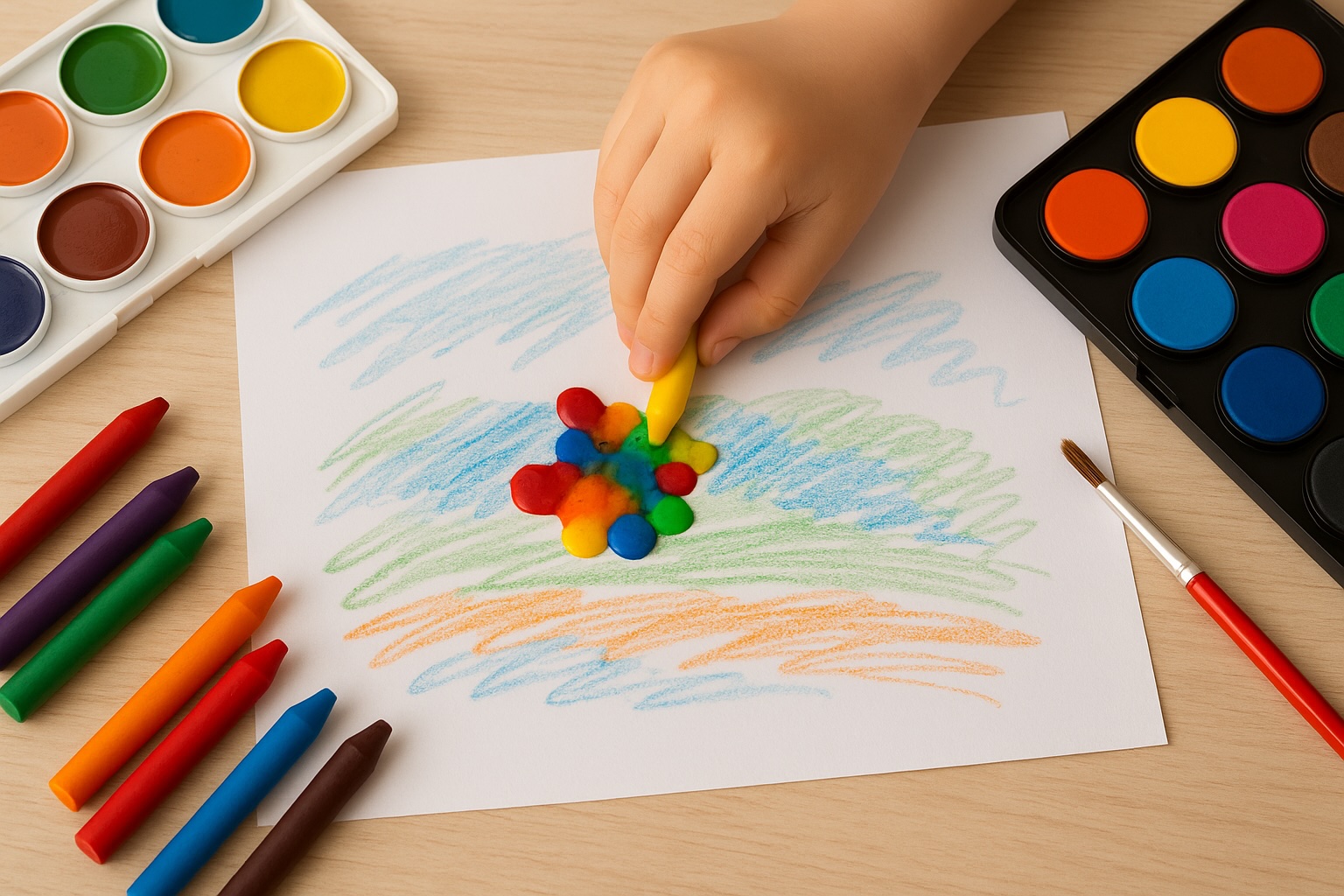
Draw with a white crayon or a candle on paper, then paint over the whole sheet with watercolour and the drawing appears. It gives a striking visual result while teaching a simple scientific idea about how the wax resists the paint.
It's an art activity that folds in a small experiment at home. There's a tutorial here: Wax Resist using a Candle and Watercolours.
10. Making Greeting Cards
Teach your child to make a card for a friend's birthday or a family occasion. They can stick, draw and write a short message.
It teaches empathy and why showing someone you thought of them matters. It's a form of art and personal expression that can become a family habit. With this range, you help a child sharpen their creativity while building an emotional and social foundation.
Tips for Getting Started at Home
Art at home can be an enjoyable way to spend time together while being genuinely educational. Here are some simple things that help.
- Set aside a space. Choose somewhere safe and comfortable, with newspaper or a mat down to catch the mess.
- Use safe materials. Choose art supplies suited to your child's age and free of anything harmful.
- Show them and encourage them. Demonstrate how to use a tool and let them copy, praising the effort as they go.
- Schedule it. Set a regular weekly slot so a child has something to look forward to.
- Let them express themselves. Avoid correcting their work too much and focus on the process rather than the result.
Online and Home-Visit Art Classes
To support a child's creativity further, an online or home-visit art class is worth considering. Here are providers worth looking at, though it's worth confirming current programmes and fees with each one directly.
Studio Manga Rokyu, online drawing class
Studio Manga Rokyu has offered an online drawing class focused on manga technique. It has suited children from around 8 with an interest in Japanese comics, covering character sketching, basic proportion, facial expression and simple colouring. Being online, a child can take part from home. More detail: Studio Manga Rokyu
Sanggar Lukis Purna Warna, online drawing and colouring
This provider has run online drawing and colouring classes for children from around 5 to 10. Sessions have covered drawing simple objects, landscapes and imaginary characters, packaged interactively to hold a child's attention throughout. More detail: @SanggarLukis.Purna.Warna
Fun Art Drawing Class, home visit
Fun Art Drawing Class has offered private drawing and colouring through home visits. It has been aimed at children from around 4 across Tangerang and the surrounding area, covering the basics of shape, line and colour while developing visual creativity. The tutor adapts the material to the child. More detail: @FunArt.DrawingClass
Art Class By Rum, oil pastel colouring, home visit
Art Class By Rum has run a class specifically on colouring with oil pastel. Delivered as a home visit, it has been aimed at children from around 5 to 12 across Jakarta and nearby.
Alongside gradation and blending technique, a child is encouraged to express emotion and ideas visually. Oil pastel also lets them explore texture and colour.
Sanggar Lukis Anak Kirana Mentari, home visit
This provider has offered private drawing and painting at home for children around Yogyakarta. Aimed at children from around 3, it has introduced a range of drawing techniques and media including watercolour and acrylic. A tutor visits to guide a child through shape, colour and expression. More detail: Sanggar Lukis Anak Kirana Mentari
Art Is Worth the Mess
Drawing, colouring and making things are a real part of a child growing up healthy and happy. Through art a child expresses themselves, sharpens their imagination and builds confidence. Online and home-visit classes also make it straightforward to bring a creative experience into the house.
The Happy Kamper app lists children's classes with locations and current prices shown. It's worth comparing a few, since every child responds to a different kind of session.