
What Art Does for a Child in the Early Years
Making art works motor control, imagination, emotion and focus at once. Here's what it does for a young child, and how to support it.
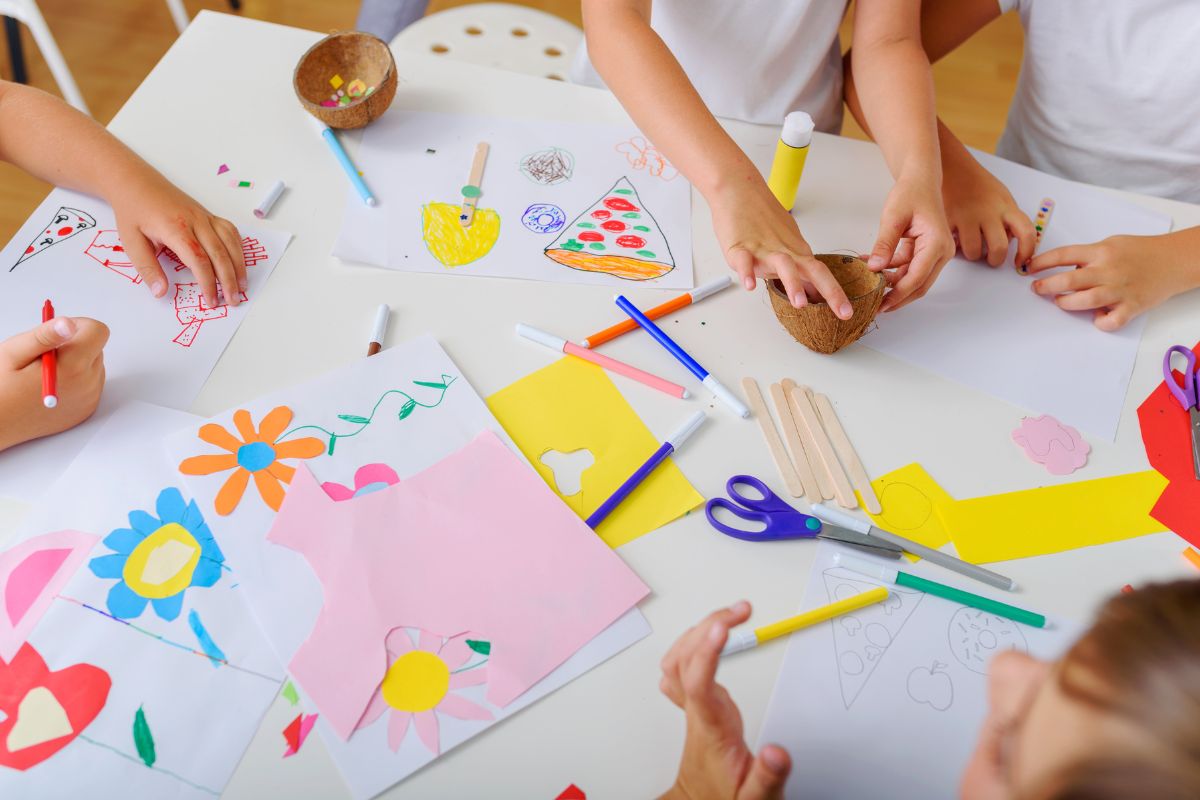
Young children absorb what's around them quickly. Art gives them a way to express themselves, practise solving a problem and build something creative. This article covers what art does for a child and how it becomes part of learning without feeling like a lesson.
"Art is not just a subject, it is an activity you do with your hands, your eyes and your whole personality." Quentin Blake The quote gets at how much art contributes to a child overall, from creativity and imagination through to how they express themselves.
What Art Does for a Child
Art isn't only about ending up with a drawing, a painting or something handmade. The process of making it carries a good deal that supports how a child develops. You've probably watched your child concentrate hard on something they're making, and that isn't entertainment, it's learning.
Here are five of the main things it does.
1. Fine Motor Control and Coordination
Art gives a young child excellent physical stimulation. Holding a brush, scribbling with a crayon or sticking down coloured paper trains the small muscles in their hands and fingers to move together. Cutting, folding and colouring all matter for fine motor development.
That practice carries into everyday skills later, writing, doing up buttons and putting on shoes. Children who do plenty of art tend to handle a pen more confidently than those who don't. Finger painting, collage and origami are all enjoyable ways to work on this, since each asks for detailed, structured movement.
2. Imagination and Creativity
In art there's no right or wrong, and a child chooses their own colours, shapes and materials, which is where creativity comes from. A car with wings, or a rabbit-shaped vending machine made out of cardboard, is a child practising thinking outside the obvious. That pays off later in solving problems and adapting to whatever comes next.
Regular art broadens how widely a child thinks and imagines. Free drawing, telling a story visually, or making a mask out of recycled material all work as creative exploration. It's a large part of how creativity develops in the first place.
3. A Way to Express Emotion
Young children still find it hard to put emotion into words. Art lets them convey something they can't yet say. A drawing in dark colours, or hard scribbling across a page, can be a particular feeling finding its way out.
Art helps a child recognise and manage what they feel. It also leaves them calmer and more relaxed. Colouring a mandala, making a paper puppet or simply scribbling can work as a light form of therapy. That's a concrete part of why art matters in early years education, since it teaches a child a healthy way to express themselves.
4. Concentration and Staying Power
Making something, however simple it looks, usually takes a while. A child learns to follow the stages, wait for paint to dry, and adjust a colour or a shape. That teaches patience and the ability to concentrate for longer.
Building a mosaic out of small pieces of paper means focusing on detail. They have to think about pattern and size, which demands full attention. Even colouring inside the lines helps concentration. It fits with how art supports learning generally, since finishing something asks for focus and persistence.
5. Confidence and Pride
You'll have seen your child's face light up showing you what they've made. Recognition from a parent gives them a considerable emotional lift. They feel valued, seen and listened to, which is the foundation of confidence.
Art gives a child room to explore without fear of getting it wrong. There's no bad mark for a house with a pink roof or a tree with heart-shaped leaves. When their work is appreciated, or put up at home, a child learns to value themselves and their own effort, which is part of how character forms early.
What Parents and Teachers Can Do
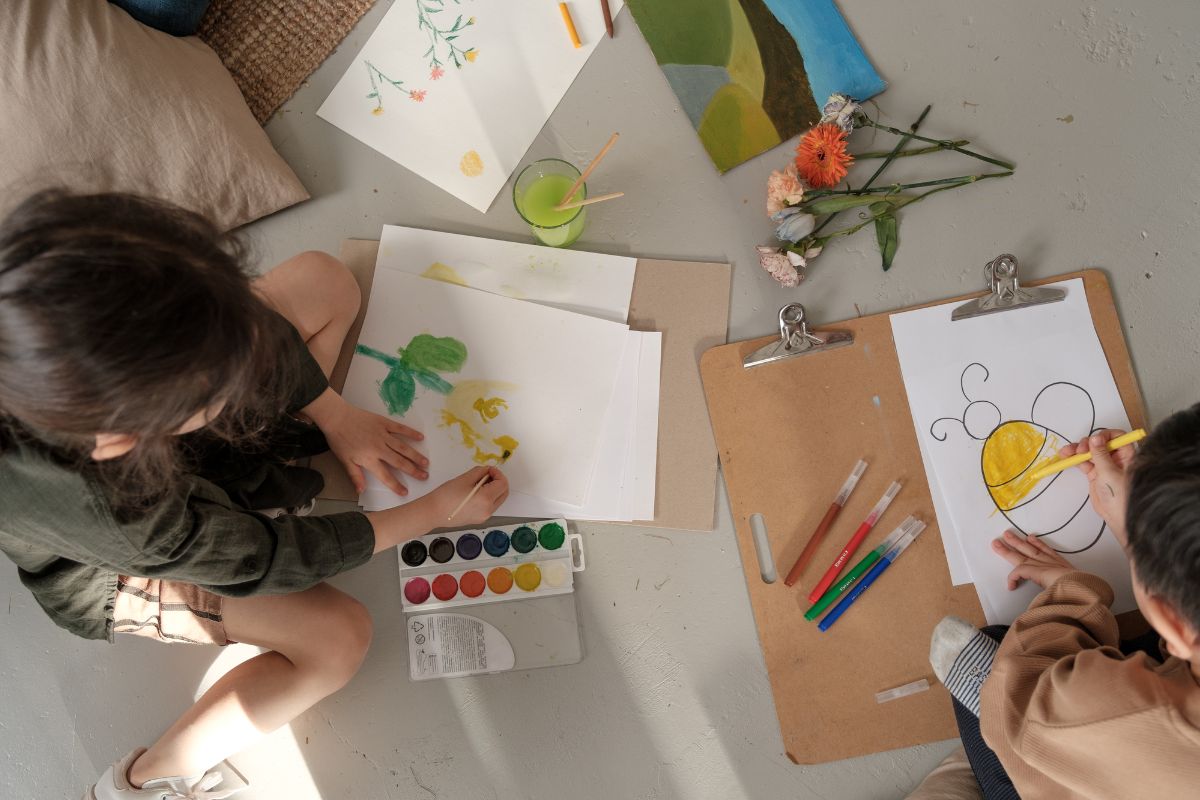
Parents and teachers are the ones who open the door to art for a child. Support from an adult makes a child more confident about expressing themselves and readier to try something new. Here are some practical ways to do that.
First, set aside time and space at home. It doesn't have to be elaborate, blank paper, something to draw with, and scrap material for making things is enough. Making a card or a collage together becomes something a child remembers, and it builds social skills too, since they learn to work together, take turns and share an idea.
Second, teachers can make art inclusive at school, whether that's a group project, a small performance, or a class experimenting with colour. That approach builds a richer, more enjoyable learning environment, which is where art earns its place in early years education.
Third, acknowledge the effort every time. Praise, a small round of applause, or simply listening while they explain what they've made has a real effect on their enthusiasm and confidence. It's the supportive, pressure-free approach that makes art work.
Finally, you can widen a child's experience through an art class or a workshop. Happy Kamper lists art classes matched to a child's age and interest.
Art Is How a Child Learns the World
Through art, children come to understand the world, express themselves and build character and confidence. Drawing, painting and making things carry a good deal for how they develop. The benefit runs across emotional, social and motor development alike.
Parents and teachers matter a great deal in opening that up and supporting it. There are plenty of art activities worth exploring on Happy Kamper, matched to a child's age, because every mark and every colour is part of how they grow.