
10 Activities From Happy Kamper That Support How Your Child Grows
The activities a child does early become habits. Here are ten worth building in, and what each one does for their thinking, coordination and confidence.
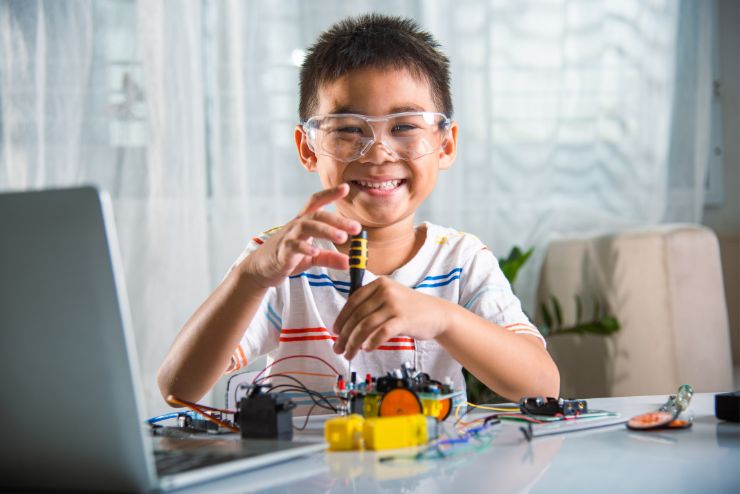
Knowledge matters enormously to how a child develops, and education is among the most important parts of that. The right education shapes character, how a child thinks, what they understand and how they behave.
All of it goes into preparing them for what comes later. This article runs through activities that support a child's development, and what each one actually builds.
Why the Right Activity Matters
The right activity helps a child build critical thinking, social skill and genuine understanding. Each one is different in character and in what it's relevant for.
Choosing and steering is the parent's job. Point a child at activities that suit where they are developmentally and you give them experience worth having, which is what shapes how they think.
10 Activities That Support a Child's Development
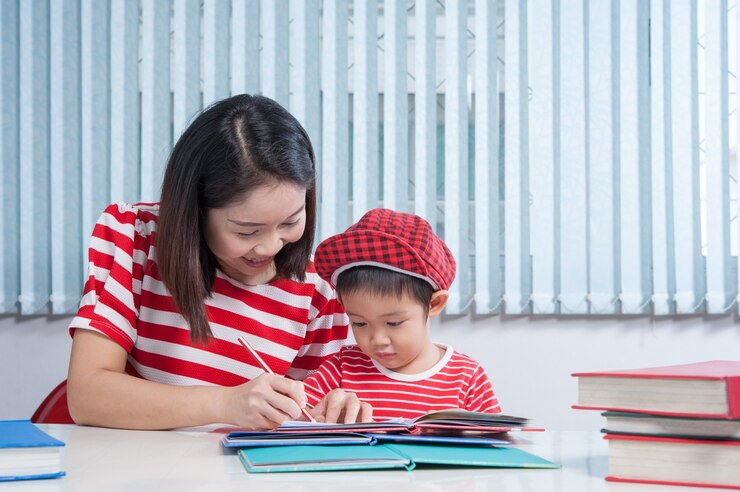
Growth and development is a complicated process, and it takes a range of activities to support properly. What a child does early sticks, and quickly becomes habit.
That's the case for building in worthwhile activities from the start. Here are ten of them.
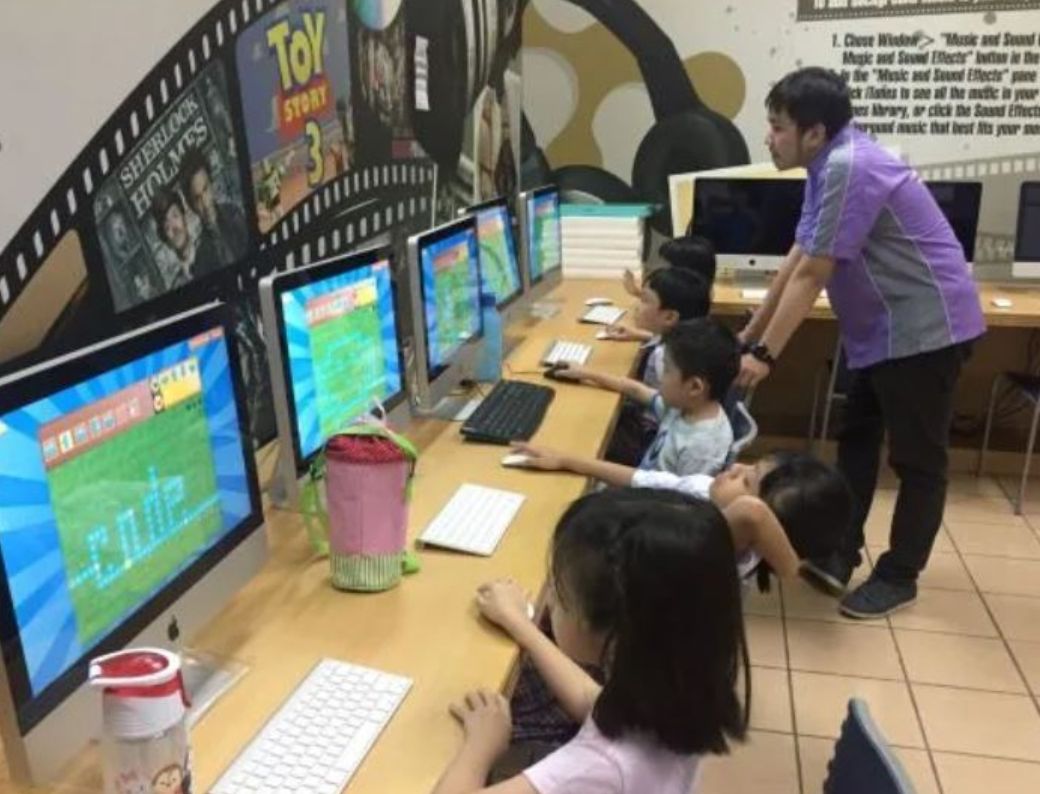
1. Watching Films
The right film does more for a child than fill an afternoon. They pick up new ideas from it, and it's genuinely good practice for language.
Language skill underpins both cognitive and social development. Watching films and reading stories build vocabulary, grammar and the ability to communicate.
What they watch matters, though. Choosing and managing it stays a parent's responsibility.
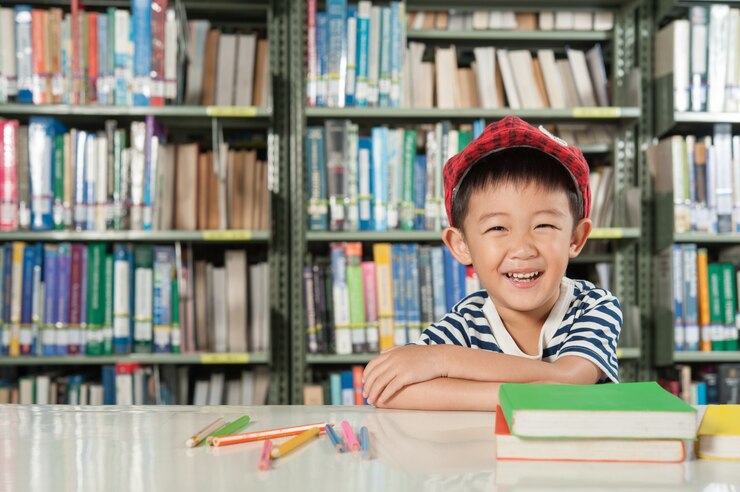
2. Reading
Reading is the foundational skill, and it carries most of a child's academic success. Support it by working through the alphabet, reading a story at bedtime, and keeping interesting books within reach.
Started early, the habit turns into a genuine appetite for reading. That's worth more than any individual book.
Read also:
How to Get Your Child Reading: Choosing the Right Books
3. Counting
Counting is the basic skill behind understanding numbers and everything mathematical that follows. Bring your child into the counting that already happens daily, whether that's toys, fruit or footsteps.
It builds a solid grasp of maths early. That grounding is what makes the more complicated concepts manageable later.
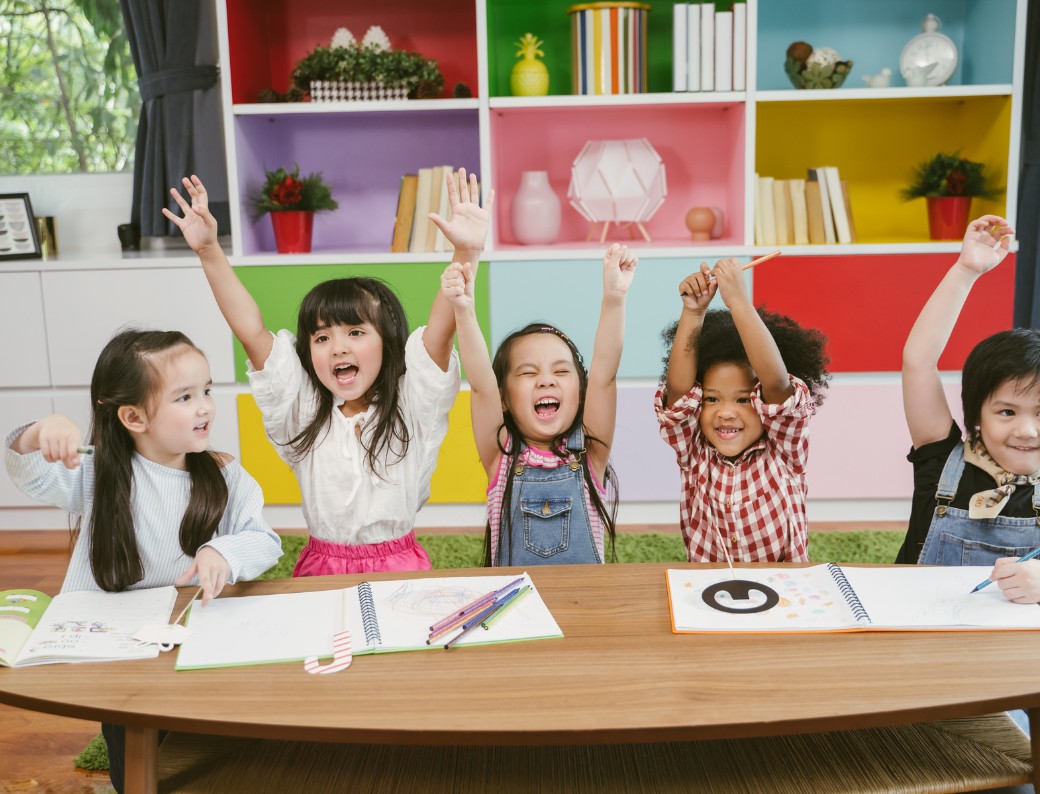
4. Art and Craft
Art and craft matter for fine motor skills and creativity alike. Painting, drawing and making things give a child a way to express themselves.
They also sharpen hand-eye coordination and fine motor control. Both improve with practice rather than age.
5. Cooking
Cooking together works well, even something simple like a cake, doughnuts or a light dish. It builds social interaction, decision-making and confidence at once.
There's a practical side too. A child learns about ingredients and nutrition without being taught either directly.
6. Writing
Writing supports both cognitive and motor development. It improves language, gives a child a way to express themselves, and builds creativity and thinking.
Give them a notebook of their own and encourage a story or a daily journal. The ownership is half of what makes it work.
7. Games
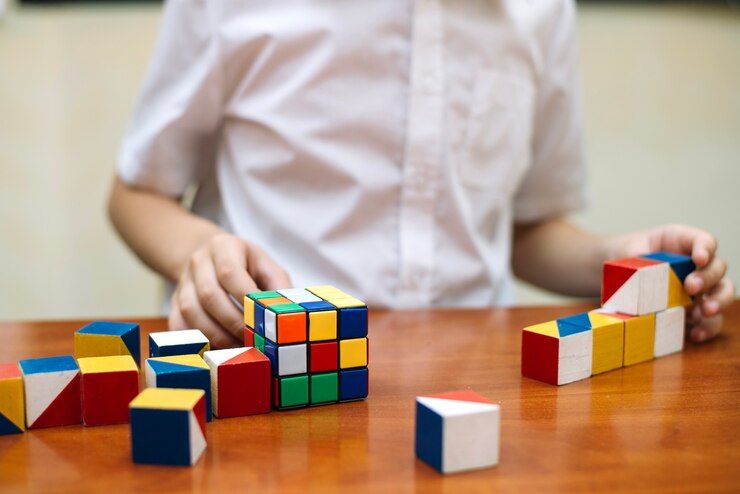
Board games, card games and puzzles all build problem-solving, strategy and decision-making. They encourage social interaction and teamwork as a by-product.
You can make your own too. Building blocks, playing shop or guessing games are educational and enjoyable in equal measure.
8. Outdoor Activities
Getting outdoors matters for physical and social development. Playing outside, walking in nature and outdoor games build gross motor skills, balance and coordination.
It also gives a child room to explore something unfamiliar. That's harder to arrange indoors.
9. Sport
Sport supports physical development directly. Football, basketball or tennis all build physical skill, coordination and teamwork.
The habit is the real benefit. A child who plays sport grows used to a healthy routine.
10. Music and Dance
Still within the arts, music and dance build confidence and creativity. Singing, playing an instrument and dancing develop rhythm, coordination and a creative streak that carries elsewhere.
How Happy Kamper Helps
Happy Kamper lists places for children to develop, so you can find something that matches what your child is actually interested in. That covers art and craft, sport, outdoor activities and a good deal more.
Each listing carries its price, its location and reviews from other parents. That's usually enough to judge whether something suits before you book it.
In Short
The right activity has real bearing on what a child knows and who they become, and on how ready they are for what follows. That's why choosing well matters for parents and teachers alike.
Get it right and a child grows up with knowledge that's genuinely useful to them. Character and understanding develop together. If you're looking for somewhere to start, have a look at what's listed on Happy Kamper.