
Learning a Foreign Language, and Where to Take Classes
Why a second language is easier young, five ways to practise at home, and seven courses worth considering.
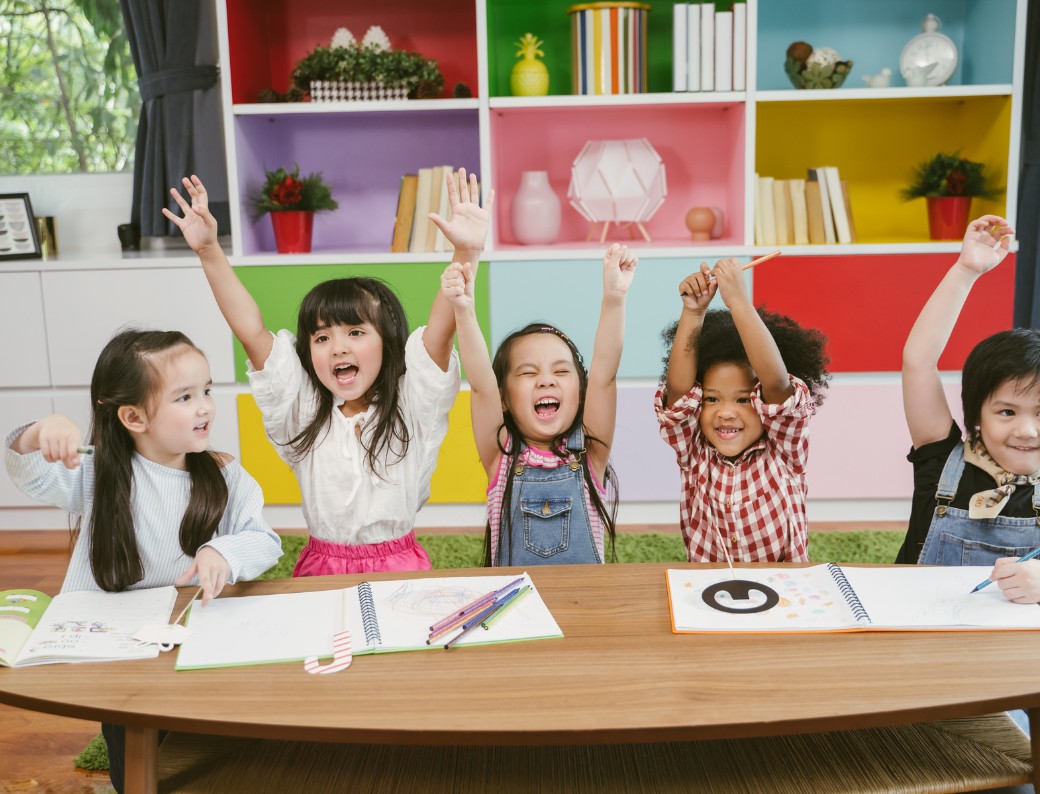
A second language is easier to pick up at five than at fifteen, which is most of the argument for starting early. The other half of the argument is that a young child treats it as play rather than study.
Below is what an early start actually gives a child, followed by ways to keep it going at home. After that there are courses across several cities worth looking at.
1. A Child’s Brain Absorbs Language More Easily
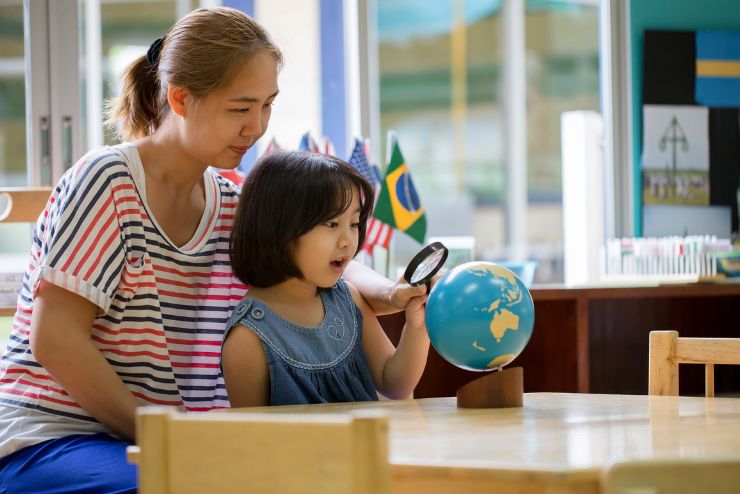
Younger children pick up sound and rhythm without consciously working at it. That window narrows with age, which is why an early start produces a more natural accent.
2. It Sharpens Critical Thinking
Switching between two languages means constantly choosing between two sets of rules. That switching is itself a mental exercise, and it shows up in tasks unrelated to language.
3. It Builds Social Ability
A second language gives a child more people they can talk to. It also gives them an early sense that other ways of expressing something exist.
4. It Raises Creativity
Two languages rarely map onto each other exactly, so a child learns to work around the gaps. Finding another way to say something is a creative habit in its own right.
5. It Opens Future Options
Language ability widens what a child can study and where later on. Starting young means the ability is already there when it matters.
A class on its own rarely does enough, since a language needs using between sessions. These five habits are what turn a weekly class into something that sticks.
1. Use Interactive Games
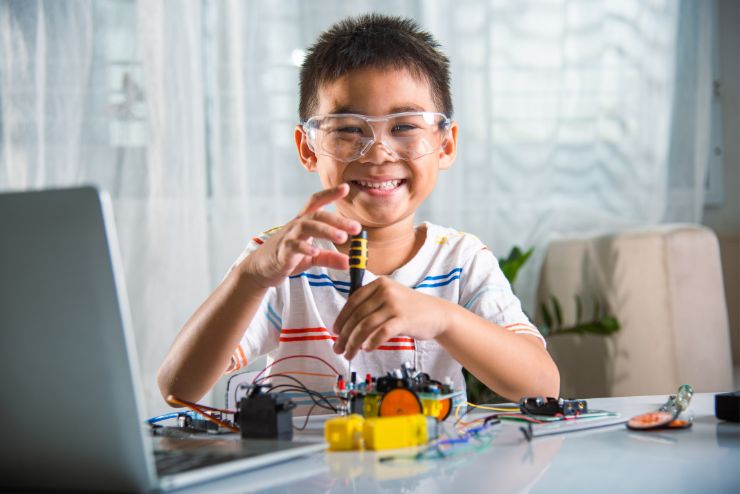
Games give a child a reason to use words rather than memorise them. Anything with a turn and a rule works better than a vocabulary list.
2. Use Audio and Video
Songs and short videos carry pronunciation better than a book can. Repetition of the same few favourites does more than variety at this age.
3. Practise Daily
Ten minutes every day beats an hour once a week, and consistency is what builds recall. Naming things around the house is enough to count.
4. Arrange Playdates or a Study Group
Using a language with another child makes it social rather than academic. That changes how a child feels about it more than any teaching method.
5. Take an Interactive Class
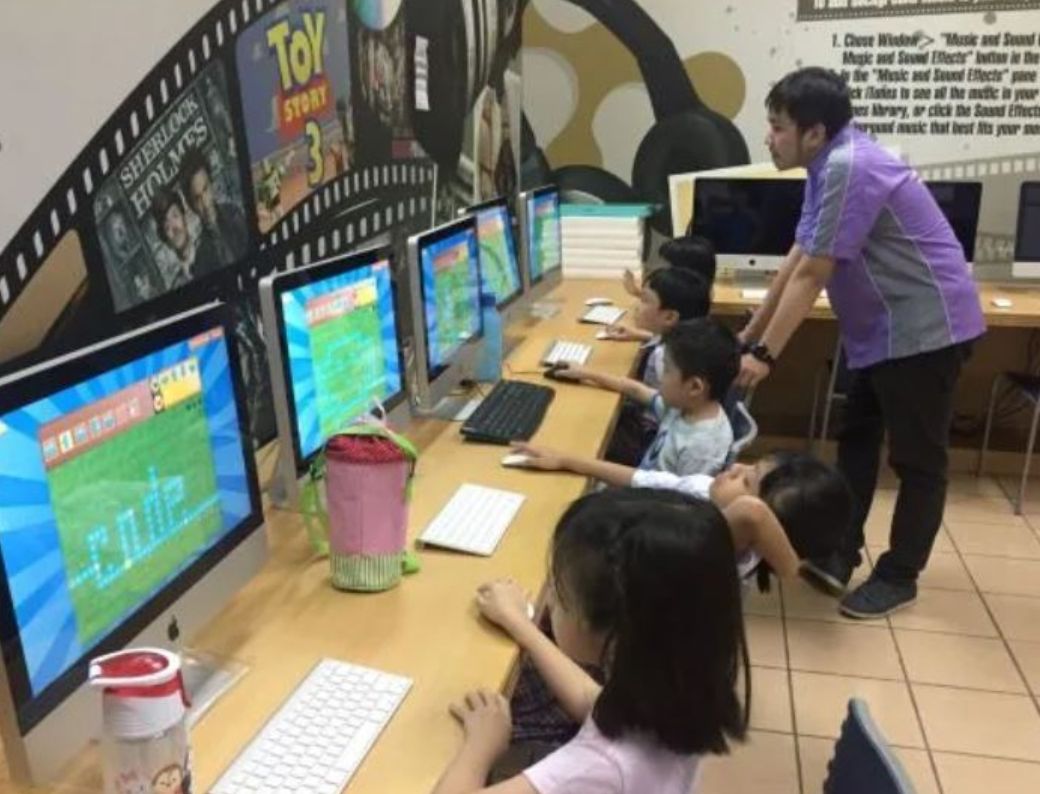
A structured class adds correction, which home practice cannot supply. Online or in person both work, provided the sessions are interactive rather than lecture-style.
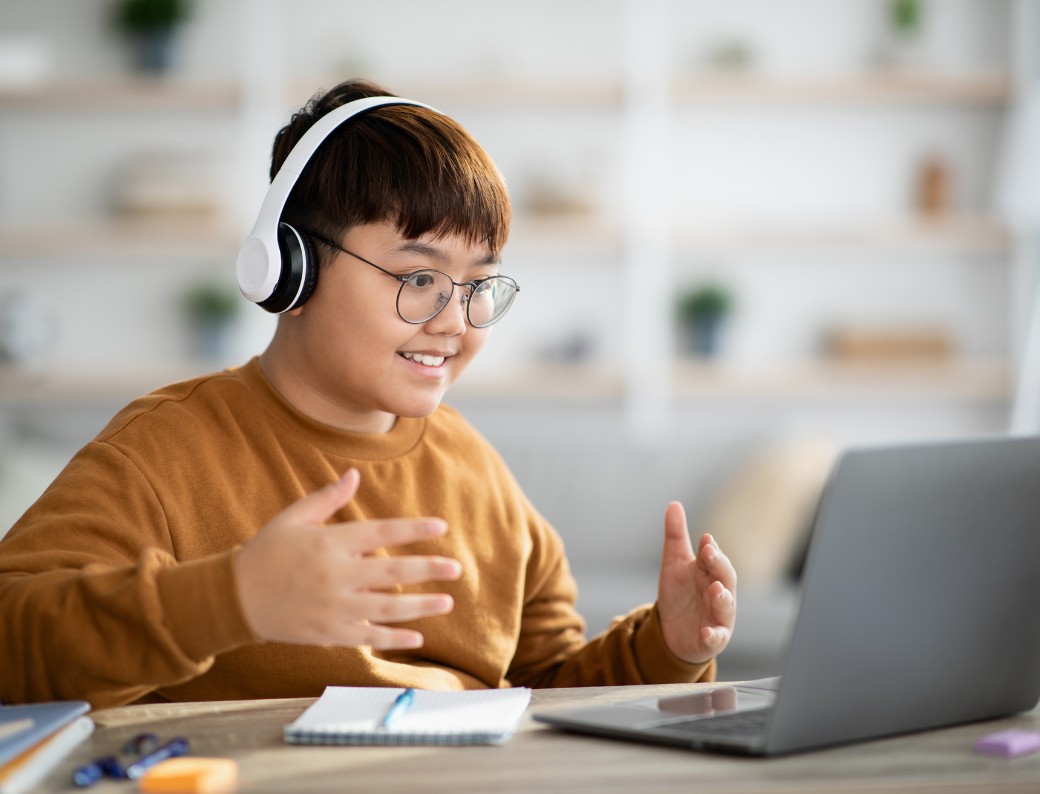
Here are language courses for children across several cities. Confirm current programmes, ages and fees with each one directly.
1. SIP Group TC Ciawitali, Cimahi
A language course running programmes for school-age children in Cimahi. Group classes are the usual format here.
2. Skola Indonesia, Tangerang
A course offering language programmes designed around younger learners. The material is pitched at children rather than adapted down from adult courses.
3. Yuk Private, Serang
Private tuition in Serang, which suits a child who does better one to one. Scheduling tends to be more flexible than a fixed class.
4. English Trick, Sidoarjo
An English course in Sidoarjo running classes for children. Worth checking what age bands are currently open.
5. I Can Read Kota Baru Parahyangan, Bandung
A reading-led English programme with a structured curriculum. Progress is measured in stages, which some children respond to well.
6. Shinjukucenter Japanese Language Course, Depok
Japanese classes, which is a less common option worth knowing about. A second language does not have to be English.
7. Bamboo Cyber School, Tangerang
Language classes delivered online, which helps with a full weekly schedule. Online works provided the sessions stay interactive.
Before enrolling, it is worth checking a few things about any course you are considering. These four cover most of what determines whether it works out.
- Check the teaching method suits your child’s age
- Choose somewhere with experienced teachers
- Ask about class size, since smaller groups get more attention per child
- Check the learning facilities, including teaching aids and digital media
The course matters less than whether a child keeps going, so pick something they will not resist each week. A trial session tells you more than any brochure. The Happy Kamper app lists language courses for children with locations and current prices shown.