
KodeKiddo: Learning Coding and AI
Five things coding and AI build in a child, and a provider running classes from kindergarten upwards.
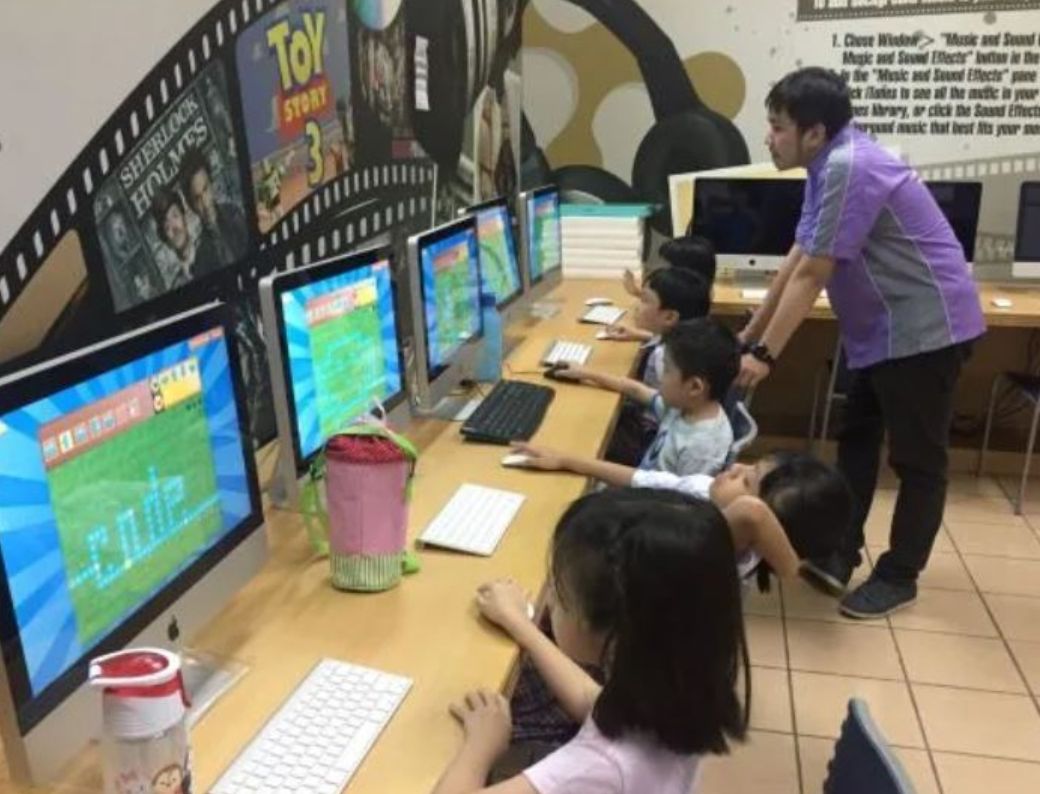
Children need a combination of play and structured learning while they develop, and coding sits in both
Coding has moved from a specialist skill to something closer to general literacy. With AI now embedded in ordinary tools, a child who understands how software is built has a genuine advantage. Here's what learning it actually does.
1. Cognitive Development
Coding trains a child to break a problem into parts and work through them in order. That builds the structured thinking that carries into everything else they study.
2. Digital and Technological Literacy
Learning to code shifts a child from consuming technology to building with it. They get used to finding, checking and adapting information from sources that hold up.
3. Preparing for a Career
Work connected to software and AI remains in demand. Even a child who never becomes a programmer keeps the reasoning and the comfort with technology.
4. Academic Ability
Coding reinforces mathematics and logic directly, since patterns, sequences and conditional reasoning appear constantly. That tends to show up in schoolwork.
5. Competing More Widely
A child comfortable with coding and AI can work with people and material from anywhere. That widens what's available to them considerably.
KodeKiddo
KodeKiddo is one provider teaching coding and AI to children. Here's what it has offered, and it's worth confirming current programmes and fees directly.
Programmes
Its programmes have been split by school stage rather than lumped together, so the material matches what a child can actually handle. That covers kindergarten age through to secondary school.
What It Emphasises
The teaching has combined coding with AI rather than treating them separately. Classes have been small enough for a child to get individual attention, which matters at this age.
- Coding and AI taught together rather than as separate subjects
- Small class sizes
- Material split by school stage
- Project work rather than theory alone
- Online and in-person formats
- A curriculum that builds in stages
- Instructors experienced with children
- Progress reported back to parents
- A trial class before committing
Classes and Fees
Here are the class bands it has run. Fees have varied by band and format, so check the current rate through Happy Kamper or with the provider directly.
Kinder Coding and AI
An entry-level class for younger children, introducing the ideas through play rather than formal instruction. It suits a child not yet ready for written code.
- Online Kinder class
- Onsite Kinder class
- Onsite green Kinder class
Coding and AI for Primary
A primary-age class moving from visual programming towards writing real code. Projects have included simple games and animations.
- Online primary class
- Onsite primary class
- Onsite green primary class
Coding and AI for Lower Secondary
A more demanding class for older children, covering a real programming language alongside AI concepts. The projects get correspondingly larger.
- Online lower secondary class
- Onsite lower secondary class
- Onsite green lower secondary class
Coding and AI for Upper Secondary
The most advanced band, aimed at students who want to take coding towards something professional. Confirm current entry requirements and pricing directly.
- Online upper secondary class
- Onsite upper secondary class
- Onsite green upper secondary class
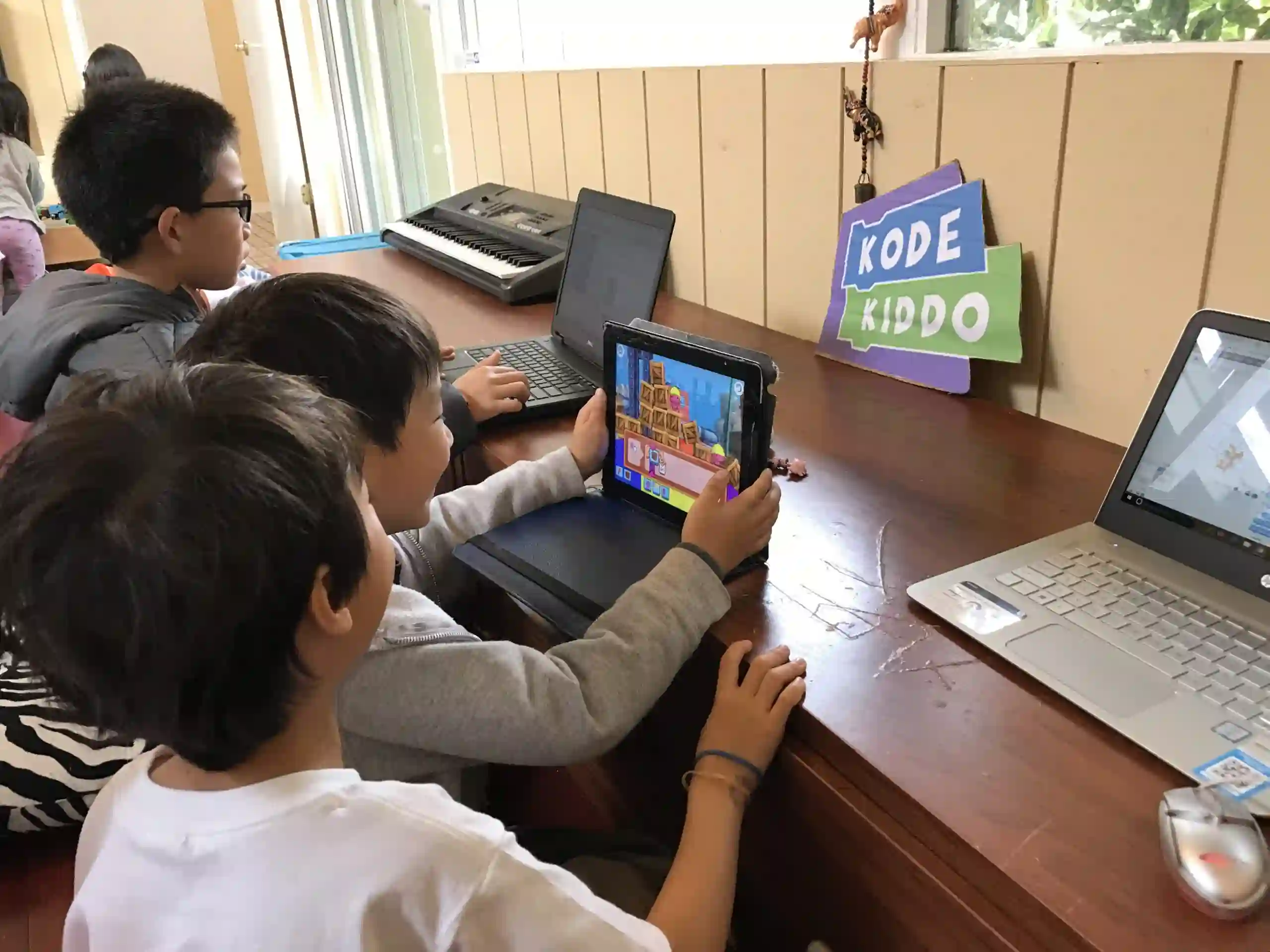
Whichever band suits, it's worth taking a trial class first. A method that works for one child rarely works for every child, and a trial tells you more than a description will. The Happy Kamper app lists coding and AI classes with locations and current prices shown.