

Choosing the Right Extracurricular Activity for Your Child
The right extracurricular does more than fill an afternoon. What to weigh up before choosing one.
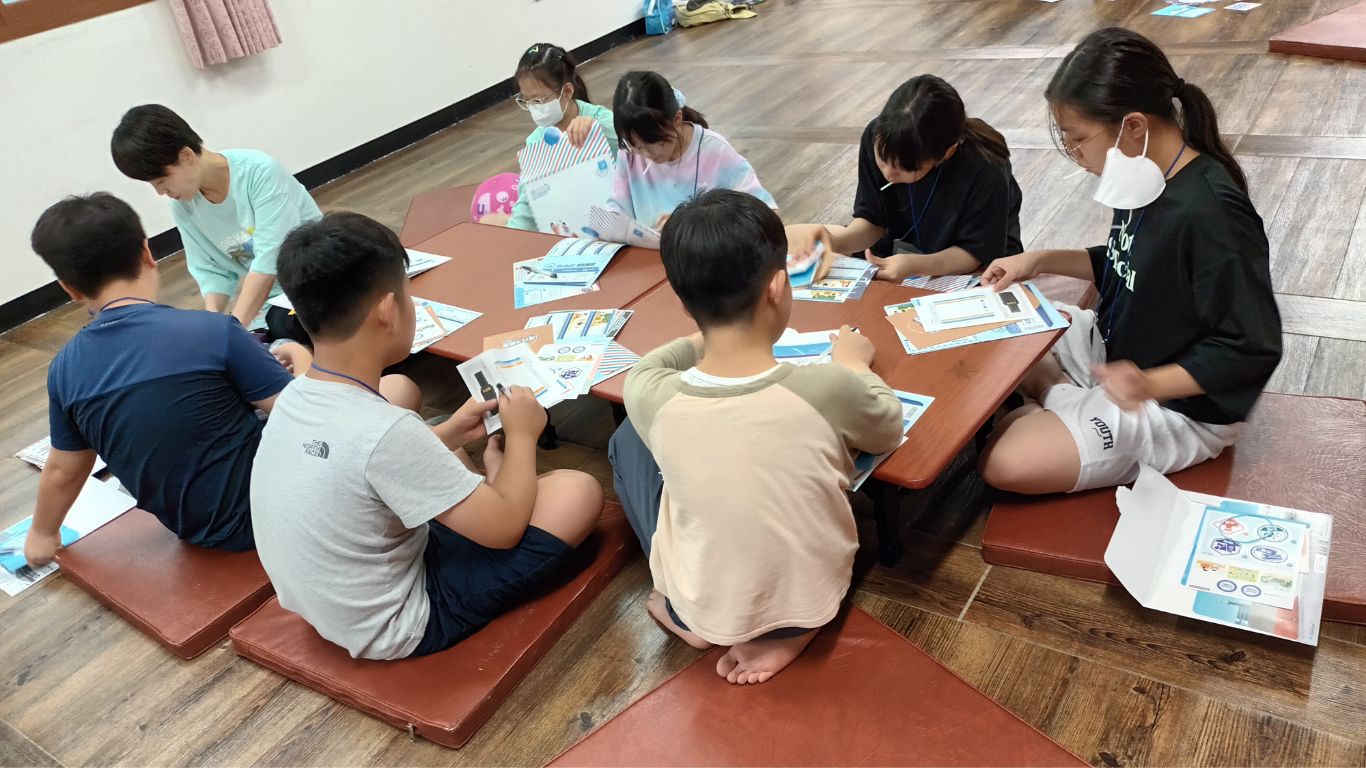
Choosing the right extracurricular activity is a significant part of supporting how a child develops overall. Figures from Indonesia's statistics agency BPS put student participation in school activities at around 49%. An extracurricular isn't only somewhere to channel an interest, it can lift a child's results in the field they care about.
Taking part also tends to raise motivation and learning outcomes generally. So it's worth weighing up your child's interests, ability and needs before settling on a type.
This article covers what extracurriculars do for a child, the main types available, and how to choose one that actually supports them. At the end there's an easier way to find activities near you through Happy Kamper.
What Extracurriculars Do for a Child
1. Social Skills
Taking part in an after-school activity teaches a child how to interact with children their own age, work in a team and resolve a disagreement constructively. Joining something like scouts or an arts group also teaches the value of communication and empathy. Wilson College reports that children active in school extracurriculars show stronger social skills than those focused on academic work alone.
2. Physical Health
For a child who chooses a sport, whether that's football, basketball or swimming, the benefit runs well past the skill itself. The WHO notes that children getting at least 60 minutes of exercise a day carry a lower risk of obesity and chronic illness. Physical activity after school also improves sleep quality and concentration in class.
3. Developing an Interest
Children don't all want the same things, and extracurriculars from primary age through to adolescence give them room to explore what they enjoy. Some are drawn to music, art or technology, others to learning a foreign language. Through a coding class, a science club or music lessons, a child can develop something that becomes a career.
4. Discipline and Responsibility
Activities outside school teach a child to manage their time between lessons, homework and what they enjoy. Children active in an extracurricular learn about commitment, discipline and handling a challenge responsibly. In art and music, for instance, they have to practise regularly to perform well.
5. Confidence
Achieving something in an activity they care about, whether that's winning a debate or scoring in a futsal match, leaves a child considerably more confident. That confidence carries into how they approach everything else. The Harvard Graduate School of Education reports that children involved in non-academic activities are more confident speaking publicly and show stronger leadership skills.
Read also: 10 Ways to Build Your Child's Confidence and Pride
The Main Types
There's a wide range of extracurricular activities worth considering, depending on your child's interest and what they need. Here are the main categories.
1. Academic

These help a child sharpen their thinking and support their school results, whether that's a science club, debating or a coding club. A coding class teaches logical thinking and problem-solving early. Academic extracurriculars also prepare a child for the demands of school and what follows it.
2. Art and Music

For an artistic child, choir, dance or theatre are all good options. An art class gives them a creative way to express themselves and builds their confidence. Learning an instrument like piano or violin also works their fine motor control and concentration.
3. Sport
Physical activity like futsal, swimming or basketball keeps a child active and healthy. Sport builds fitness while teaching cooperation and discipline. It suits an energetic child and builds healthy habits early.
4. Social and Leadership
Student council, scouts or a volunteering club all develop leadership and empathy. Active in a school organisation, a child learns to work in a team and take responsibility for what they've been given. Those soft skills stay useful well into working life.
5. STEM and Technology
For a child drawn to technology, a robotics class or a science club is an appealing option. It gives them a way into science, technology, engineering and maths that they actually enjoy. Alongside what they learn, it prepares them for an increasingly digital world.
How to Choose the Right One
To get the most out of an extracurricular, there are a few things worth weighing up before enrolling. Here they are.
1. Understand What They're Drawn To
Before deciding, talk to your child about what they actually enjoy. If they like drawing, an art and craft class may be the obvious choice. Don't push something they aren't interested in, since they'll lose enthusiasm quickly.
2. Fit It Around Their Schedule
Avoid signing up for so much that a child ends up overwhelmed. Make sure it doesn't eat into study, rest or family time. One or two activities is usually enough for a child to enjoy properly.
3. Think About the Longer Term
Every activity should add something to how a child develops. A programming class, for instance, is enjoyable and genuinely useful later. Choose something that builds a skill they'll actually use.
4. Look at Who's Teaching
Make sure whoever runs it is competent and experienced. A good teacher keeps a child motivated and comfortable while learning. It's worth asking other parents about their experience before deciding.
5. Check It's Accessible and Affordable
Location and cost matter too. Make sure it isn't so far from home or school that the daily logistics become a problem.
Finding Activities on Happy Kamper
Happy Kamper is a platform for finding extracurricular activities that are educational and enjoyable. Art classes, coding and STEM, and sport are all listed in one app. With options across a range of ages and interests, it's easier to find something that fits.
Each activity carries detail including schedule, location and price, so you can compare properly. Booking is straightforward, taking a few taps to enrol your child in something they've picked.
How to Use It
It's straightforward enough. Download the app, register yourself and your child, then choose the activity category that suits. Once you've found something, read the detail and book it directly.
What You Get Out of It
Happy Kamper gives you access to a range of activities from providers listed on the platform. It makes searching by age and interest straightforward, so your child ends up somewhere enjoyable and worthwhile. The booking flexibility also makes their schedule easier to manage.
So it's worth a look when you're ready to plan the extracurricular activity that suits your child best. A short search now saves a term of guessing later.