
Language Skills for Children, and How to Choose a Course
The window between six and twelve is when language comes easiest. Here's why it matters, and six things to check before signing up to a course.

Childhood shapes a child more than any stage that follows, and it's when they absorb information and habits most readily. If you're wondering which skills are worth teaching, language is a strong answer.
It isn't only about day-to-day communication. Language plays a large part in cognitive, social and emotional development, and a good command of it makes a real difference later. This article covers why language skills matter so much, and what to look for when choosing a course.
Why Language Skills Matter
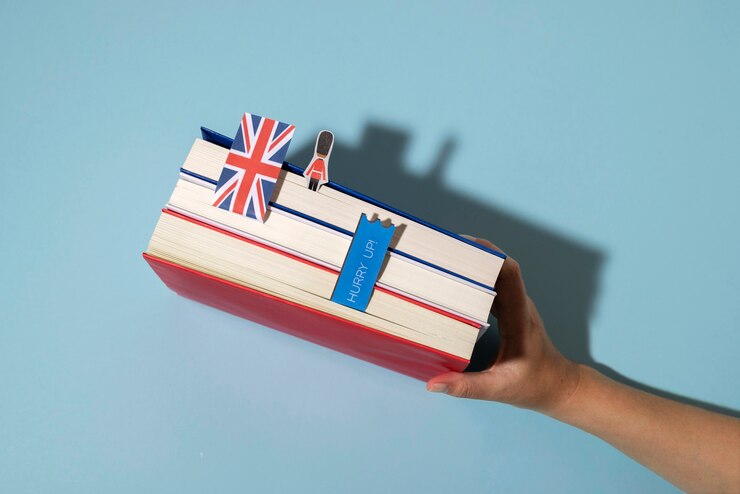
Language is the foundation of a child's social life, and command of it is the main asset in any communication. It's what lets a child express what they think and feel, and build relationships on the back of that.
Young children learn quickly and absorb information remarkably well. That makes it the best window for introducing them to another language.
Learning early doesn't only make communicating easier, it supports how the brain develops. Research suggests children who learn more than one language do better on problem-solving, creativity and memory. Socially it widens their view of other cultures, helps them adapt in mixed settings, and builds empathy and understanding of other people.
When Should a Child Start?

Working out when to start is a dilemma for a lot of parents. Experts put the critical window for language between the ages of 6 and 12, when a child's brain is still highly receptive to new information.
Early is the right time to introduce a second or even a third language. Children aren't yet bound by rigid grammar rules, so they take a new language in more easily and enjoy the process more.
That doesn't mean the door closes afterwards. Older children and teenagers still learn a language perfectly well, though it tends to be slower and needs a different approach.
The key is a supportive, consistent learning environment. A course is one way to build that, since it gives structure and direction to the learning.
It's worth researching properly before committing, though. The wrong choice tends to produce disappointing results.
Six Things to Check Before Choosing

With the why and the when settled, the next step is choosing a language course. Here are six things worth weighing.
1. A Curriculum That Fits Their Age
Check the curriculum actually suits your child, because the right one makes the learning far more efficient. A child follows and absorbs a suitable lesson much more easily.
Too hard or too easy and they lose interest. Either extreme costs you the enthusiasm you were paying for.
2. Teaching Method
Make sure the teaching method is an effective one and not needlessly long-winded. There's no point paying for something inefficient.
A clear method means your child takes the material in faster. That's most of what you're buying.
3. Small Class Sizes
A limited number of students means the teacher can give each child proper attention. That's what makes the difference to whether a child actually absorbs the lesson.
4. Qualified Teachers
Check the teachers are properly qualified and experienced at teaching language to children specifically. A good teacher knows the subject and knows how to talk to children, which are two different skills.
5. Facilities
Look at what the place actually provides. Comfortable classrooms, decent learning materials and a safe environment all support the learning rather than getting in its way.
Good facilities are usually a fair signal of a well-run course. They also make a child more willing to keep turning up.
6. Reviews and Recommendations
Look for reviews from other parents who have enrolled their children there. A recommendation from someone who has been through it is worth a great deal when you're deciding.
Reviews also fill in the details a brochure won't. That's usually where the useful information is.
In Short
Language is among the most essential skills a child can build early. It supports communication, and it plays a real part in cognitive and social development too.
Starting at the right age gives a child a considerable advantage in the learning itself. The window is wide, but it isn't infinite.
When you're choosing a course, weigh the curriculum, the teaching method and the teachers themselves. Think it through properly and you give your child a solid foundation to build on. You'll find language courses listed on the Happy Kamper app, each with its price, location and reviews from other parents.