
Sensory and Gym Classes for Toddlers: What They Actually Do
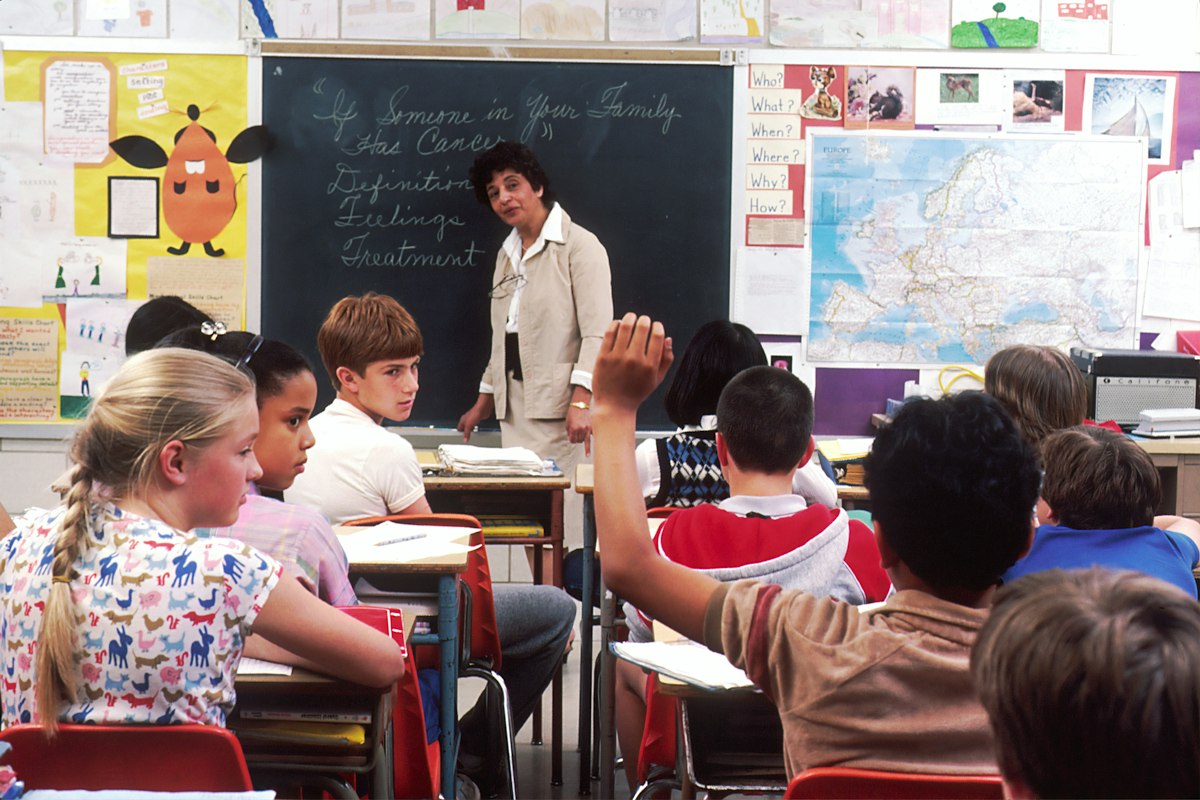
A sensory class puts a toddler in front of messy materials at a low table. A baby gym gives them soft apparatus to climb, crawl through and fall onto. At one to three the difference is the equipment and the room, not the teaching, and most of what either does can be repeated at home.

Inside a Sensory Class
The two names tell a parent almost nothing, which is why the fee is so hard to judge. What separates a sensory class from a baby gym is the equipment in the room, and very little else.
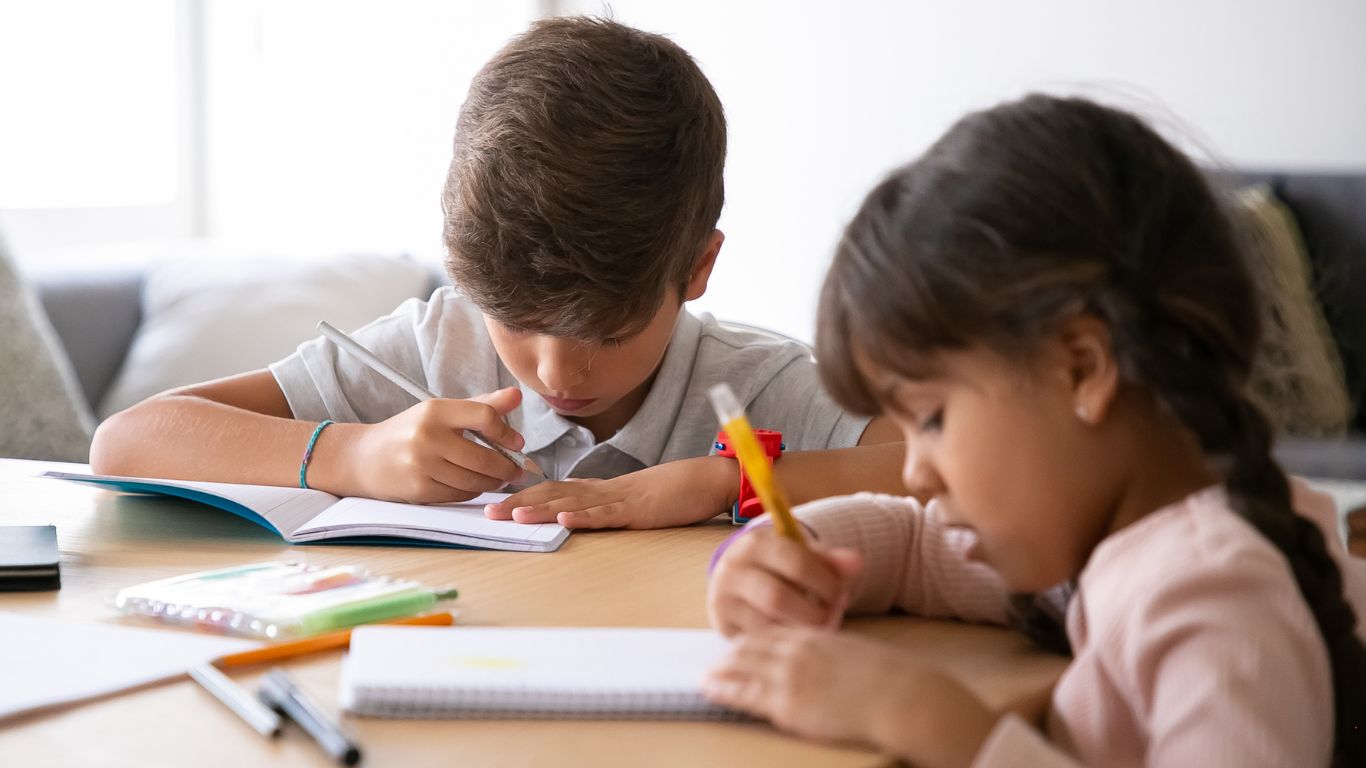
A sensory class is built around materials. Trays of rice, water, dried pasta, shaving foam, jelly, dough and paint go out on low tables, usually themed to one idea for the week, and the children are let loose on them for most of the session.
The leader's job is mostly setup and clearing away. They will start with a hello song, introduce the trays, then circulate while the children dig, pour and tip things onto the floor. Almost none of it is instruction in the way an older child's class would be.
The mess is the product you are buying. Someone else has laid out the trays, will mop the floor afterwards, and has already worked out that the jelly needs making the night before.
The Baby Gym, Station by Station
There is nothing to spill in a baby gym, and that is the whole difference. Foam blocks, wedges, low beams, tunnels, mats, a ball pit and bars set at toddler height are arranged into a circuit, and the children go round it.
It is not gymnastics coaching and should not be sold as it. Nobody at this age is learning a skill in any structured sense, and a centre talking about technique with a toddler is describing something that will not happen. What you get is a room full of padded things a child is allowed to throw themselves at.
Sessions usually open with a warm-up circle and close with a parachute or bubbles. In between the circuit is open, an instructor spots at the harder stations, and the children move at whatever pace they want. Centres listing this kind of class sit under gymnastics and movement in the directory.
Which One Suits Which Age?
For a child who has only just started walking, the gym format usually wins. A soft floor with things to pull up on gives them more than a tray of rice they will mostly try to eat.
Once a child is steady on their feet and has started to pretend, sensory classes hold attention longer. The child can be shown an idea, will stay at a tray for several minutes, and has enough pretend play to do something with a scoop other than bang it.
Between those two points the honest answer is that it barely matters. Both give a one to three year old a novel room and other children in it, and a child who loves one usually likes the other.
Will You Be Staying in the Room?
Almost certainly, yes. At one to three these are parent-accompanied classes nearly everywhere, and the fee covers a place for the pair of you rather than childcare.
That changes what you are buying. You are not getting an hour to yourself, you are getting activities you did not have to prepare and a floor you do not have to clean, with your own attention still fully committed.
If a centre offers drop-off at this age, ask what the adult to child ratio is and who is watching the door. Ask it plainly and expect a number back rather than a reassurance.
How Long Does a Session Really Hold a Toddler?
Less time than the session runs, and every centre knows it. Most classes at this age sit under an hour, and the last stretch is usually snack, free play or a wind-down song rather than the activity you came for.
Set your expectation at part of the session rather than all of it. A child who engages properly for a stretch in the middle has had a normal class, and one who tips a tray over and wanders off has also had a normal class.
WHO's guidance for under-fives says that from the age of 1 onward a child should not be restrained for more than 1 hour at a time, nor sit for extended periods. Read that against a timetable and a long sitting circle looks like the wrong shape for this age, whatever the class is called.
The Home Version of Both Classes
Nearly all of the sensory material is kitchen stock. Uncooked rice, dried pasta, water with a drop of food colouring, flour, oats, ice cubes, cornflour mixed with water and cooked spaghetti all do what the class trays do, in a washing-up bowl on a towel.
The gym version is furniture. Sofa cushions on the floor to climb, a laundry basket to crawl through, a plank of wood flat on the ground to walk along, a mattress pulled off the bed and low steps to go up and down are the same movements the circuit is built around.
There is also far more of it needed than one class supplies. WHO's guidance for under-fives asks for at least 180 minutes a day of varied physical activity from the age of 1 onward, spread through the day, which no weekly session is going to cover.
WHO's early childhood development guideline puts you at the centre of this rather than the equipment. It recommends that all infants and children have early learning activities with their parents and other caregivers during the first 3 years of life, and rates that recommendation strong.
That is the part of the class that travels home for free. The trays and the tunnels stay at the centre, the responsive adult comes with you.
So What Does the Class Actually Add?
Three things, and none of them is teaching. Equipment you would never buy or find space for, other children at the same stage, and a fixed hour that gets both of you out of the house on a day you would otherwise not have left it.
The third one is worth more than parents usually admit. A booked slot on a Saturday morning is a commitment device, and the reason many families keep going is that the alternative is a flat day at home rather than a better activity.
What it does not add is an assessment. Kemenkes asks parents to come to the Posyandu every month, where cadres work through the development checklist in the Buku KIA, and early detection is done by health workers at the Puskesmas using the KPSP pre-screening questionnaire. A class leader is not doing that, and a centre implying otherwise is overselling.
If what you want is a read on whether your child is where you expect, the milestone tracker is free to use and the Posyandu check costs nothing. Centres running the classes themselves are listed under sensory and motor activities, with their own ages, areas and prices. Pay for the class for the room and the company, which is a good enough reason on its own.