

Choosing a School or Class
How to choose a preschool, daycare or enrichment class in Indonesia. What to ask on a tour, how to read a licence, what a trial class should tell you, and the questions worth asking before you pay.
All articles in Choosing a School or Class

Sensory and Gym Classes for Toddlers: What They Actually Do
A sensory class puts a toddler in front of messy materials at a low table. A baby gym gives them soft apparatus to climb, crawl through and fall onto. At one to three the difference is the equipment and the room, not the teaching, and most of what either does can be repeated at home.

How to Choose a Daycare in Indonesia: What to Check on the Visit, and What the Fee Leaves Out
Judge a daycare on what you can verify in one visit: how many adults are in the room, how a crying child is handled, where the babies sleep, and how the day is reported back. National rules cap a group at 10 children up to age two, but that caps group size, not staffing.

Calistung Tutors Across Several Cities
What calistung tuition does before primary school starts, and eleven providers across Indonesia.

Learning a Foreign Language, and Where to Take Classes
Why a second language is easier young, five ways to practise at home, and seven courses worth considering.
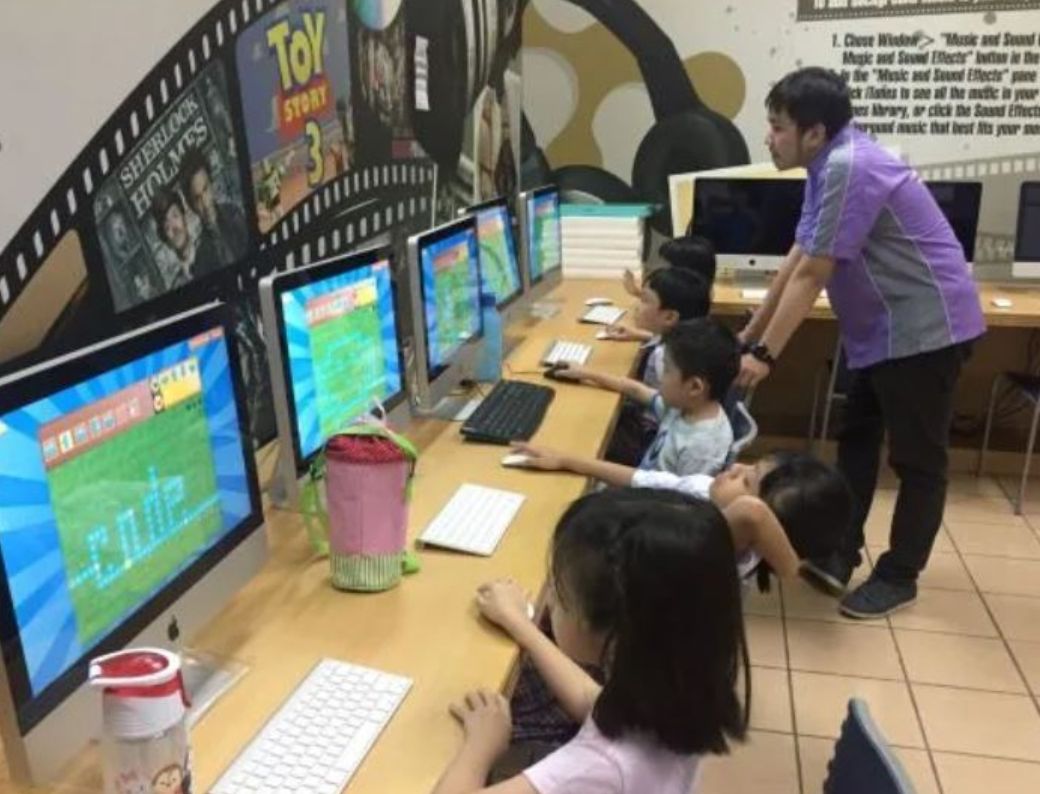
KodeKiddo: Learning Coding and AI
Five things coding and AI build in a child, and a provider running classes from kindergarten upwards.

Getting a Child Ready for Preschool
Preschool is a big transition for a child. What to prepare, and how to make the first day easier.

Choosing an After-School Programme for Your Child
An after-school programme is more than a filler. The five types available, and seven things to weigh up.

Nu Gen Day Care: A Daycare Option for Working Parents
What a daycare offers over care at home, five things to check first, and a look at one based in Bekasi.
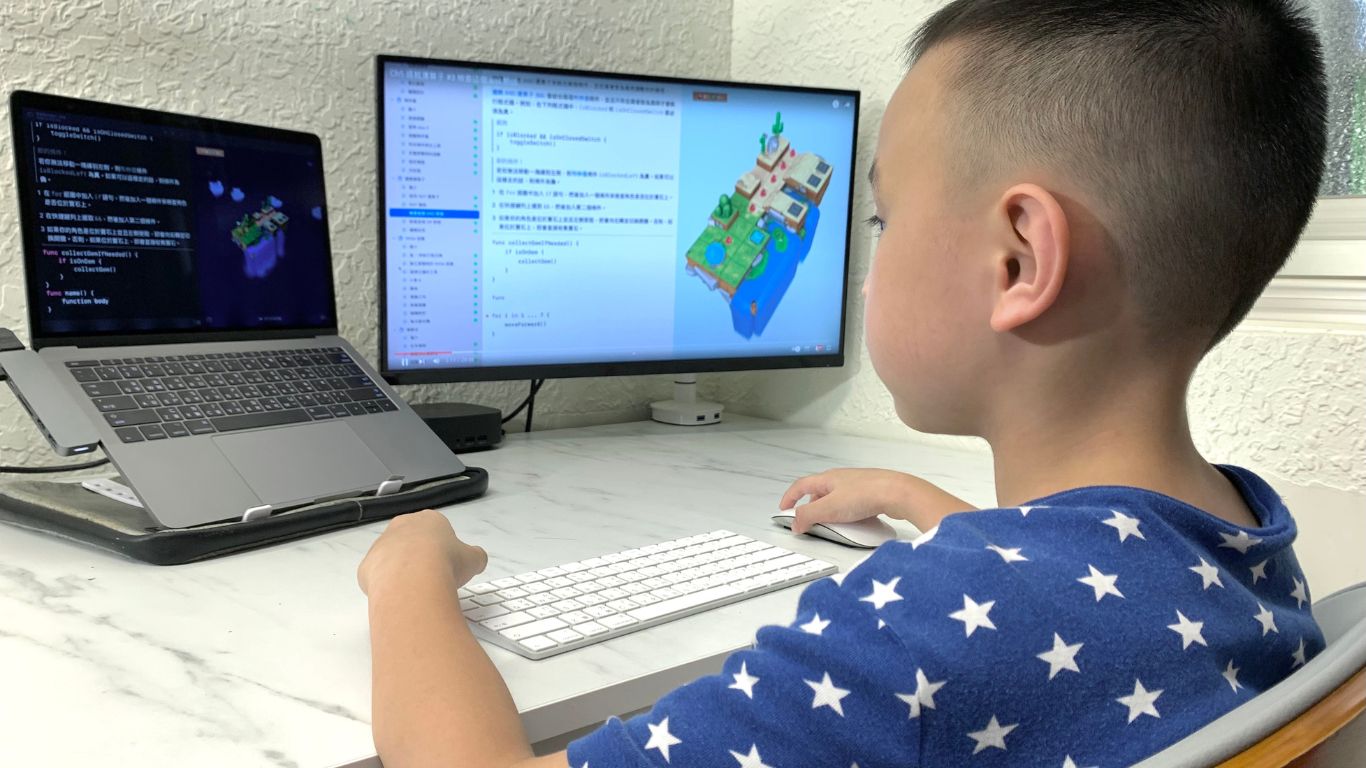
How to Choose a Coding Class for Your Child
Coding builds problem-solving, creativity and confidence. Here's how to pick a class that suits your child.

Daycare or a Babysitter: Which Suits Your Child Better?
One gives structure and other children, the other gives undivided attention. Here's how to decide.

The Right Age to Start School, and How to Prepare Your Child
There's no fixed answer on when a child should start school. Readiness matters more than the number.
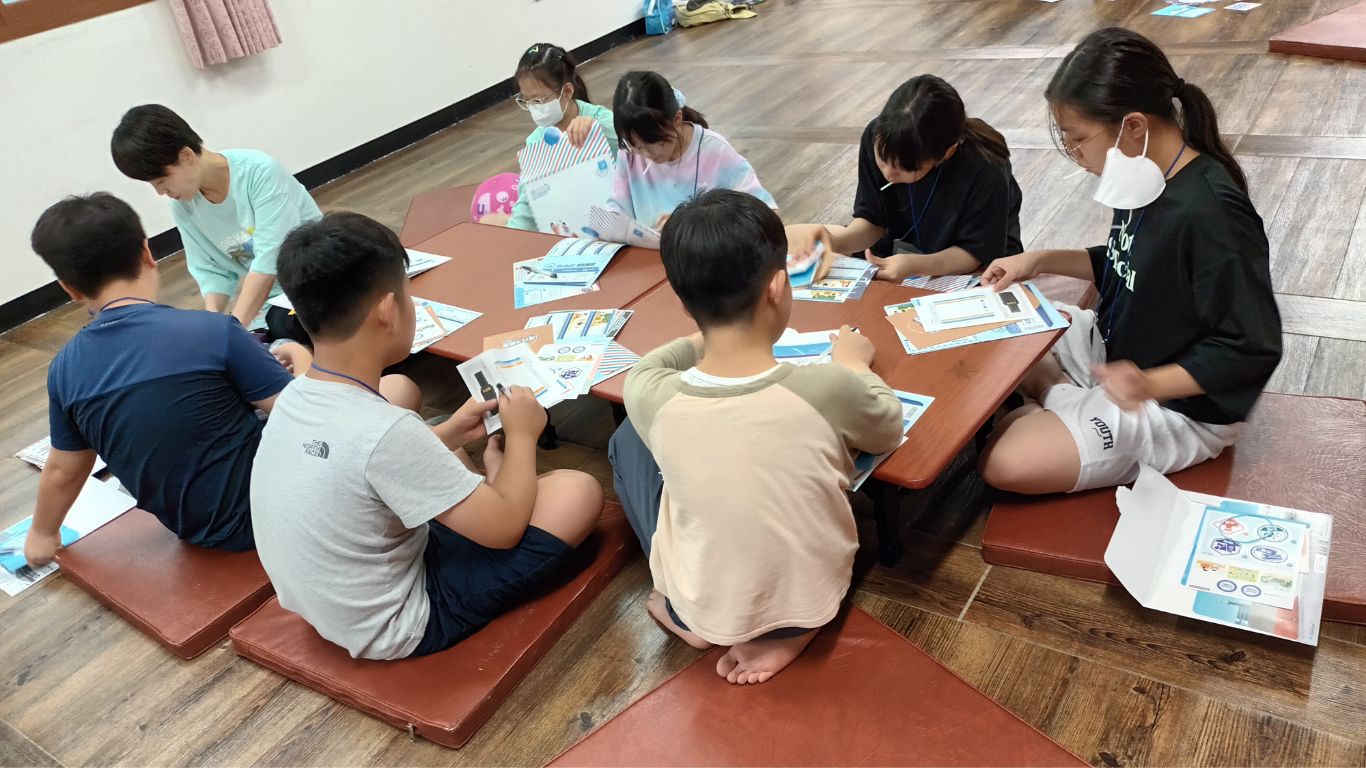
Choosing the Right Extracurricular Activity for Your Child
The right extracurricular does more than fill an afternoon. What to weigh up before choosing one.

How to Check Whether a Daycare in Indonesia Is Actually Licensed
Look the centre up on the Kemendikdasmen reference portal at referensi.data.kemendikdasmen.go.id, by name or by NPSN. A licensed unit shows a Nomor SK Operasional, a date, and a downloadable SK Operasional file. Absence proves less than you would think, because only 2,656 of Indonesia's 243,044 registered PAUD units are filed under the daycare form.

When Should Your Child Start Swim Lessons?
Most children can start swim lessons at around age 1, the earliest the American Academy of Pediatrics recommends. Before that, infant classes do not lower drowning risk. Readiness matters more than a birthday, so the right time depends on your child's comfort and development, not a fixed number.

What to Look For in an Early-Education Centre in Indonesia
To choose an early-education centre in Indonesia, define your hours, distance, and monthly budget first, then visit a shortlist in person. On each visit, check the child-to-teacher ratio against national PAUD guidance, the daily routine, safety and pick-up procedures, and how the centre keeps parents informed.

School Readiness in Indonesia: Is Your Child Ready for TK and SD?
A child is ready for TK or SD in Indonesia when they show age-appropriate skills across five developmental domains, namely cognitive, language and literacy, physical-motor, social-emotional, and self-care independence. TK entry typically happens at age 4 to 5 and SD entry at age 6 to 7.

What Age Should Kids Start Music Lessons? A Parent's Guide
It depends on the instrument and the child. Music and movement classes suit ages 6 months to 3 years, Suzuki violin can start at 3 to 4, piano at 4 to 5, guitar at 6 to 7, and formal voice training from 8 to 9. Readiness signals like focus and genuine interest matter more than age alone.
Is My Child Ready for Preschool? The Complete School Readiness Checklist for Indonesian Parents
Your child is ready for preschool when they can manage short separations, follow simple instructions, express basic needs in words, and handle basic self-care like eating independently. Reading and writing are not required. In Indonesia, most children start PAUD or TK between ages 2.5 and 5, but developmental readiness matters more than age.

When Should Babies Start Swimming Lessons? An Age-by-Age Guide for Indonesian Parents
Babies can start water familiarisation classes from 6 months, always with a parent in the pool. Formal independent swimming lessons work best from ages 3–4, when motor control and focus are ready. Sessions in Indonesia cost roughly Rp62,500 to Rp250,000 each depending on city and class size.

How to Choose the Best Preschool in Jakarta: 10-Point Parent Checklist
To choose a preschool in Jakarta, verify BAN-PAUD accreditation, check the child-to-teacher ratio in the actual classroom, and observe teachers during a trial class. Jakarta TK fees range from Rp 500,000 to Rp 5,000,000 per month. A structured 10-point checklist prevents choosing on location or marketing alone.

Provider Profile Pages Explained: What Every Parent Should Check
A Happy Kamper provider profile brings together a provider in one place, including their activities, locations, hours, reviews, and the age groups they serve. Reading the stats row, activities list, and parent reviews together gives you a quick, reliable quality filter before you book a trial.

How to Find Trusted Kids Activity Providers in Indonesia
To find a trusted kids activity provider in Indonesia, check the category and age range, the number of active activities, and the average rating alongside the total review count. On Happy Kamper, reviews are tied to real bookings, so ratings reflect genuine parent experience rather than marketing.

How to Choose Between Daycare and a Nanny in Indonesia, A 2026 Parent's Guide
Choose daycare for children aged 2 and up with regular working hours, since it offers socialization and built-in backup. Choose a nanny for children under 18 months or for irregular, travel-heavy schedules where one-on-one care and flexibility matter most. Many Indonesian families blend both for children aged 1 to 3.

How to Choose the Right Kids Activity, A Parent's Checklist
To choose the right kids activity, start with why your child needs it, not what is popular. Match the activity to your child age and developmental stage, then screen each provider with a 10-question checklist covering ratios, certification, and trial options. Always book a trial before committing.
PAUD, TK, TPA & KB, What's the Difference? A Parent's Guide (2026)
PAUD is the umbrella term for all early childhood education (ages 0 to 6). TK is formal kindergarten (ages 4 to 6), TPA is full-day daycare (from about 3 months), and KB is a playgroup (ages 2 to 4). Pick based on your child's age, your work schedule, and whether you want care, learning, or both.
About this editorial hub
Happy Kamper is an AI-powered childcare management platform for preschools, childcare centers, and enrichment academies in Indonesia. Our editorial team blends early-childhood educators, childcare operators from across Indonesia, and product designers who have spent years in the childcare tech space. Every article we publish is written by one of these specialists and reviewed by at least one other person before it goes live.
Pricing quoted in city guides is sourced from current published rates and family surveys conducted in each neighborhood. Regulatory and compliance information is cross-referenced against the original source documents, ECDA licensing guidance, JKM/KPM rules, and dated as of each article’s last update. Our editorial independence is simple: we recommend Happy Kamper when it is the best fit, and we recommend alternatives honestly when an alternative is the better match for your situation.
We welcome corrections and additions. The fastest way to reach the editorial team is through the Connect link in the site header, a team member responds within two business days. The “Updated” badge on each card tells you when an article was last reviewed; we update content whenever evidence, pricing, or regulation changes meaningfully.