
Learning Through Play, Why It Matters for Early Childhood Development in Indonesia
For children under 6, play is the main way learning happens. Open-ended play builds language, motor skills, social ability, and early math and science thinking, which is why Indonesia's PAUD curriculum is built around play-based learning. Parents can support it at home with simple open-ended materials and by stepping back rather than directing.
Why Is Play the Primary Way Young Children Learn?
For children under 6, play is not a break from learning, it is the primary means by which learning happens. When a toddler fills and pours water, they are learning about volume and cause-and-effect.
When children argue over who gets which toy, they are developing negotiation, perspective-taking, and emotional regulation. When a child builds a block tower and knocks it down, they are experiencing physics and problem-solving.
This is why early childhood education frameworks globally are built around play-based learning rather than formal instruction for children under 6. Indonesia's PAUD curriculum follows the same approach.
What Are the Types of Play and What Does Each Develop?
Exploratory play, meaning touching, tasting, and examining, develops sensory processing, curiosity, and early scientific thinking. It is best supported with diverse materials such as sand, water, clay, and different textures.
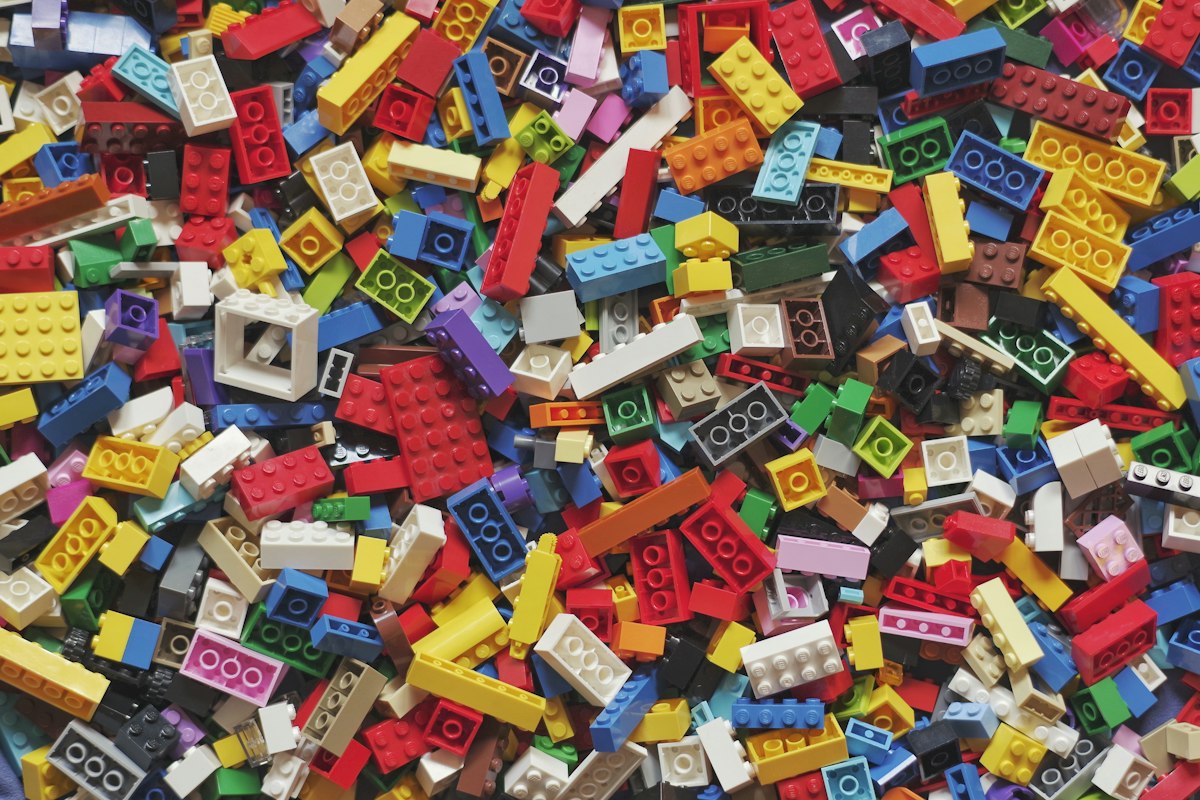
Pretend or symbolic play, such as acting out scenarios and playing house, develops language, narrative thinking, empathy, and social role understanding. Constructive play, meaning building, making, and creating, develops spatial reasoning, fine motor skills, persistence, and mathematical thinking.
Physical play such as running, climbing, and tumbling develops gross motor skills, body awareness, risk assessment, and cardiovascular health. Social play through games with rules and cooperative activities develops negotiation, turn-taking, conflict resolution, and emotional regulation.
How Can You Support Play-Based Learning at Home?
You do not need expensive toys or elaborate setups to support learning through play. The most developmentally valuable play materials are open-ended, such as blocks, sand, water, clay, simple household objects, and unstructured outdoor spaces.
An open-ended toy is one that a child can use in many different ways, a cardboard box, a set of wooden blocks, or a collection of natural objects from the garden. Your role as a parent in play-based learning is primarily to provide time, space, and safe materials, and then step back.
Resist the urge to direct the play or show the child the right way to use the materials. Ask open questions instead, such as what they are building, what it does, and what happens if they try something else.
Choosing Activity Programs That Honor Play-Based Learning
When evaluating a preschool or enrichment program for children under 6, look for these play-based learning signals. Open-ended materials should be present in the classroom, such as blocks, art supplies, and water tables, alongside child-directed activity periods where children choose their engagement.
Group sizes should be small enough to allow teacher-child interaction, and teachers should ask questions rather than instruct children what to do. Outdoor or movement time should be part of every session.
A program that emphasizes worksheets, rote memorization, or competitive performance outcomes for children under 6 is working against developmental best practice. That does not mean such programs produce poor outcomes, but it is worth weighing against play-based alternatives.